Last Updated on September 23, 2026 by admin
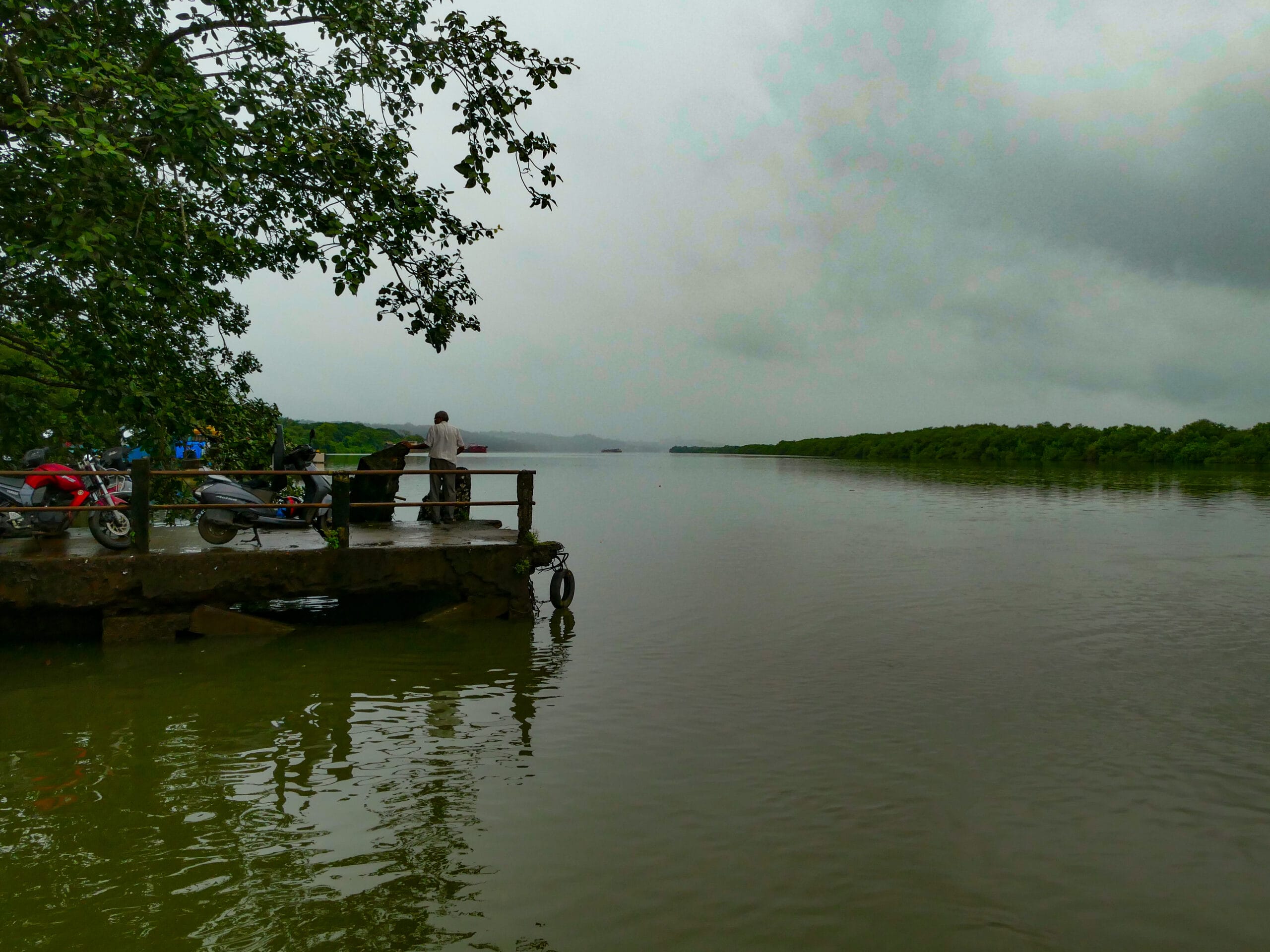
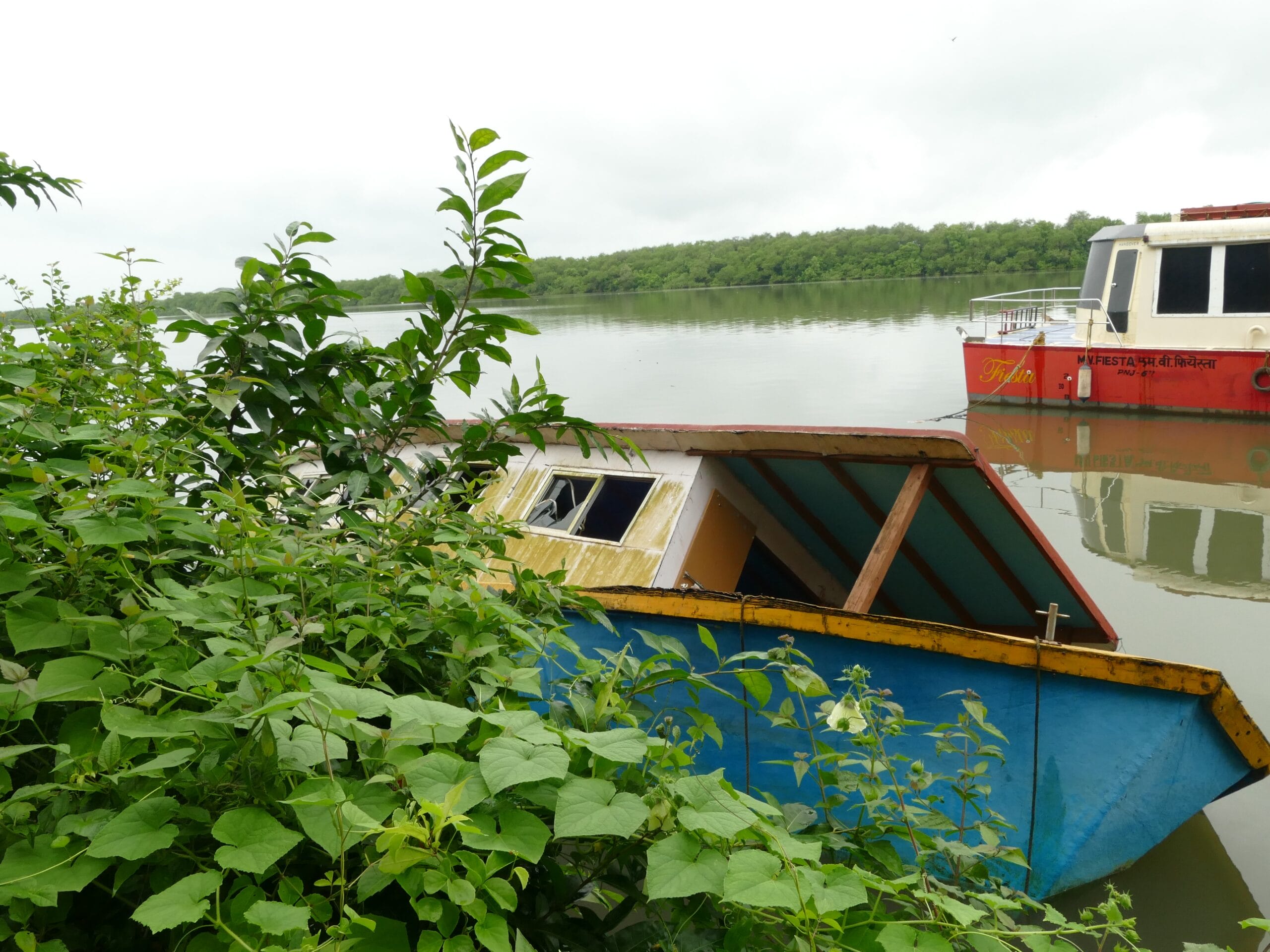
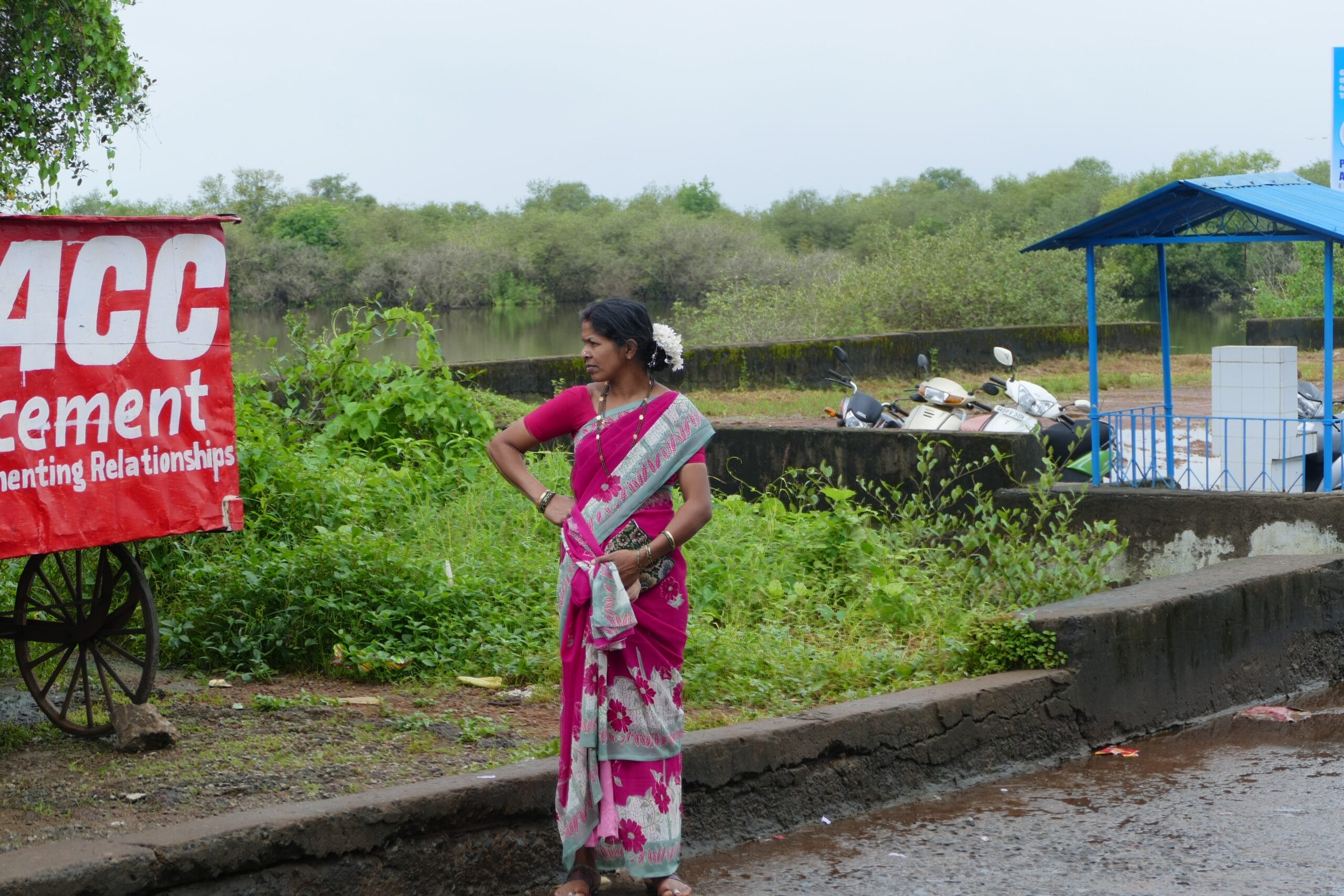
Divar Island, Goa is one of the state’s most offbeat corners – a place most visitors never get to. Cut off from the mainland by the Mandovi River and reachable only by ferry, the island has resisted every attempt to connect it to Goa by bridge – its residents worry a bridge would bring in real estate developers and erode the slow, old-Goa character that makes the place worth visiting. Step off the ferry and you genuinely feel like you have arrived somewhere time forgot.
How to Reach Divar Island: 3 Free Ferries
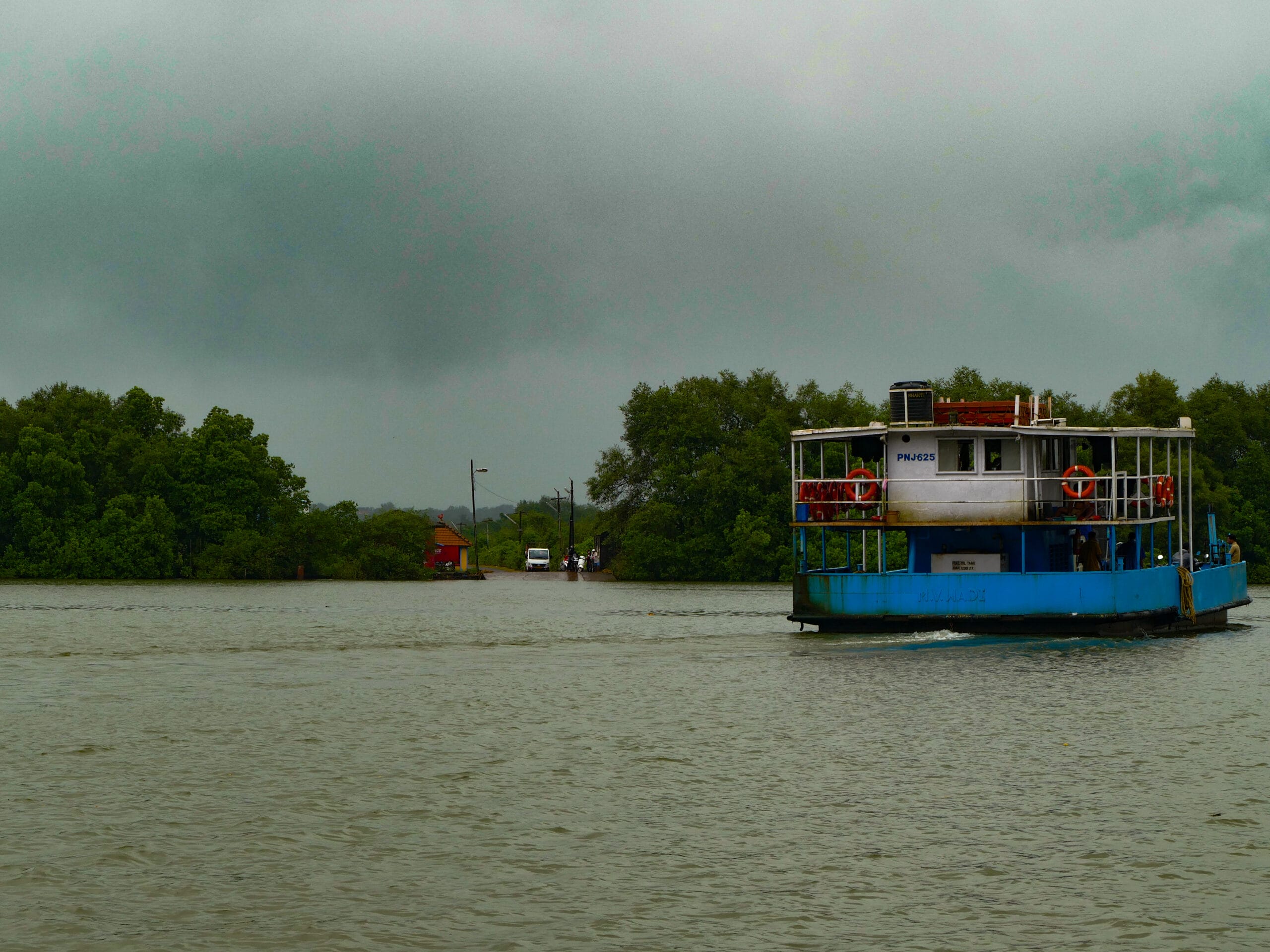
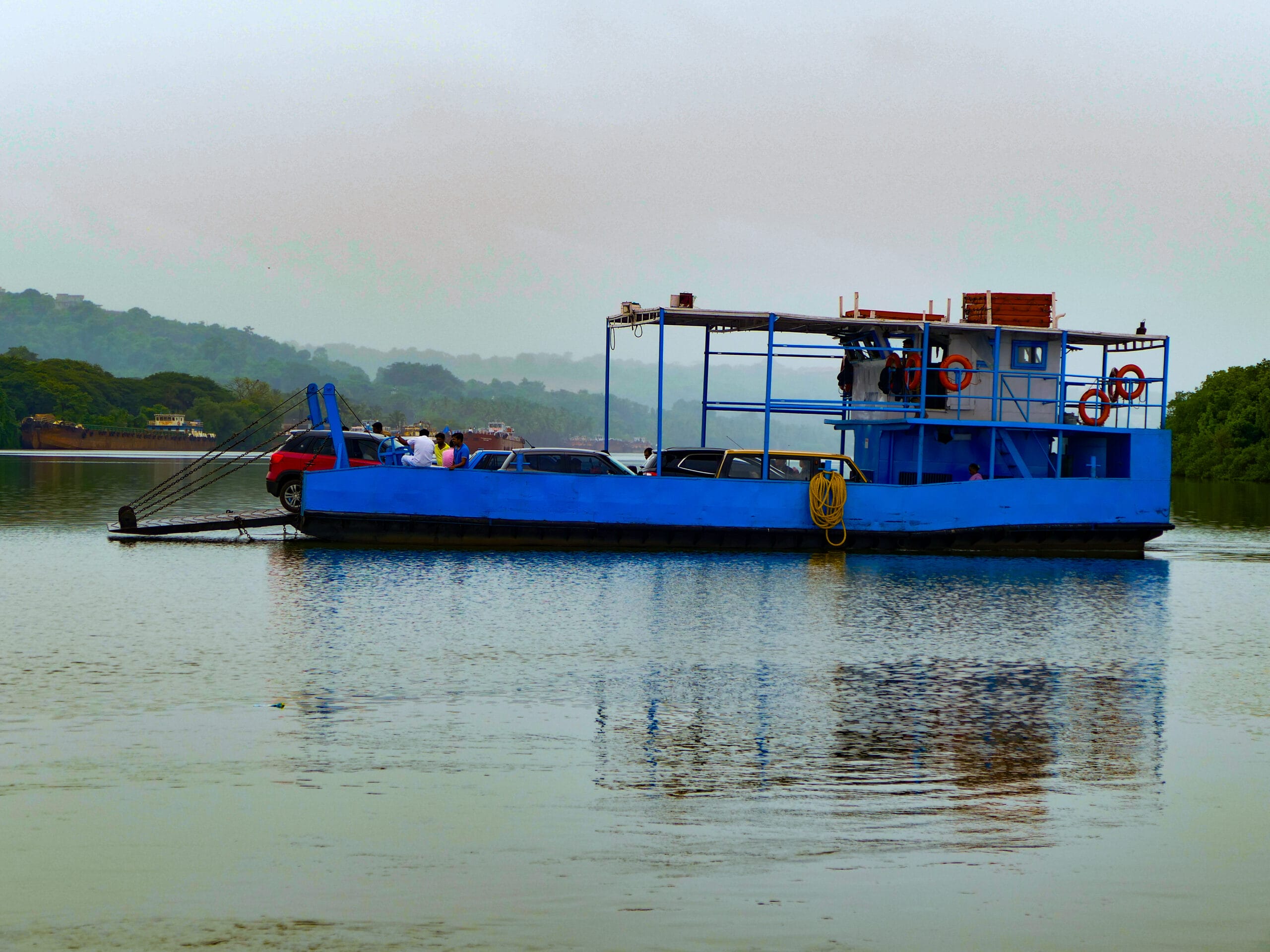
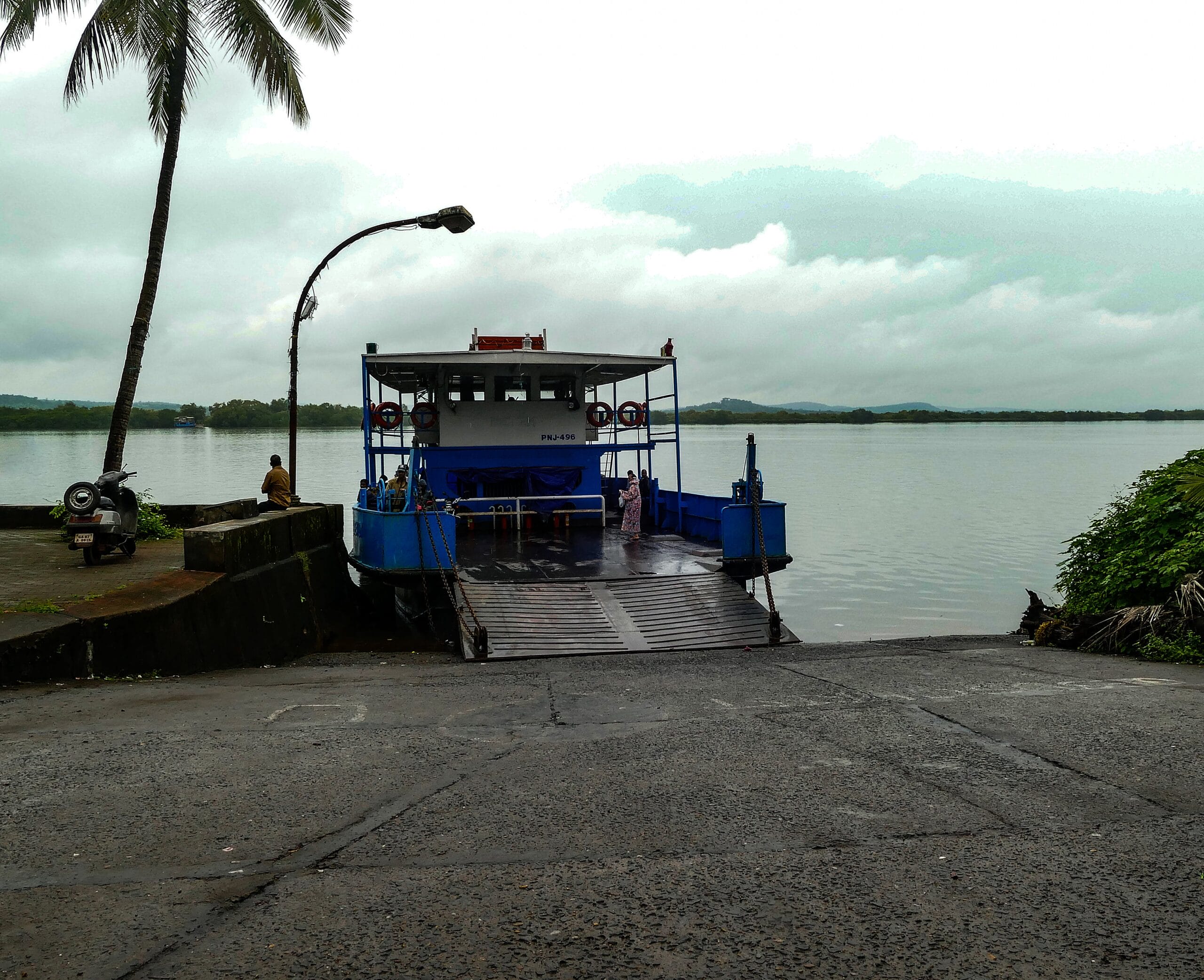
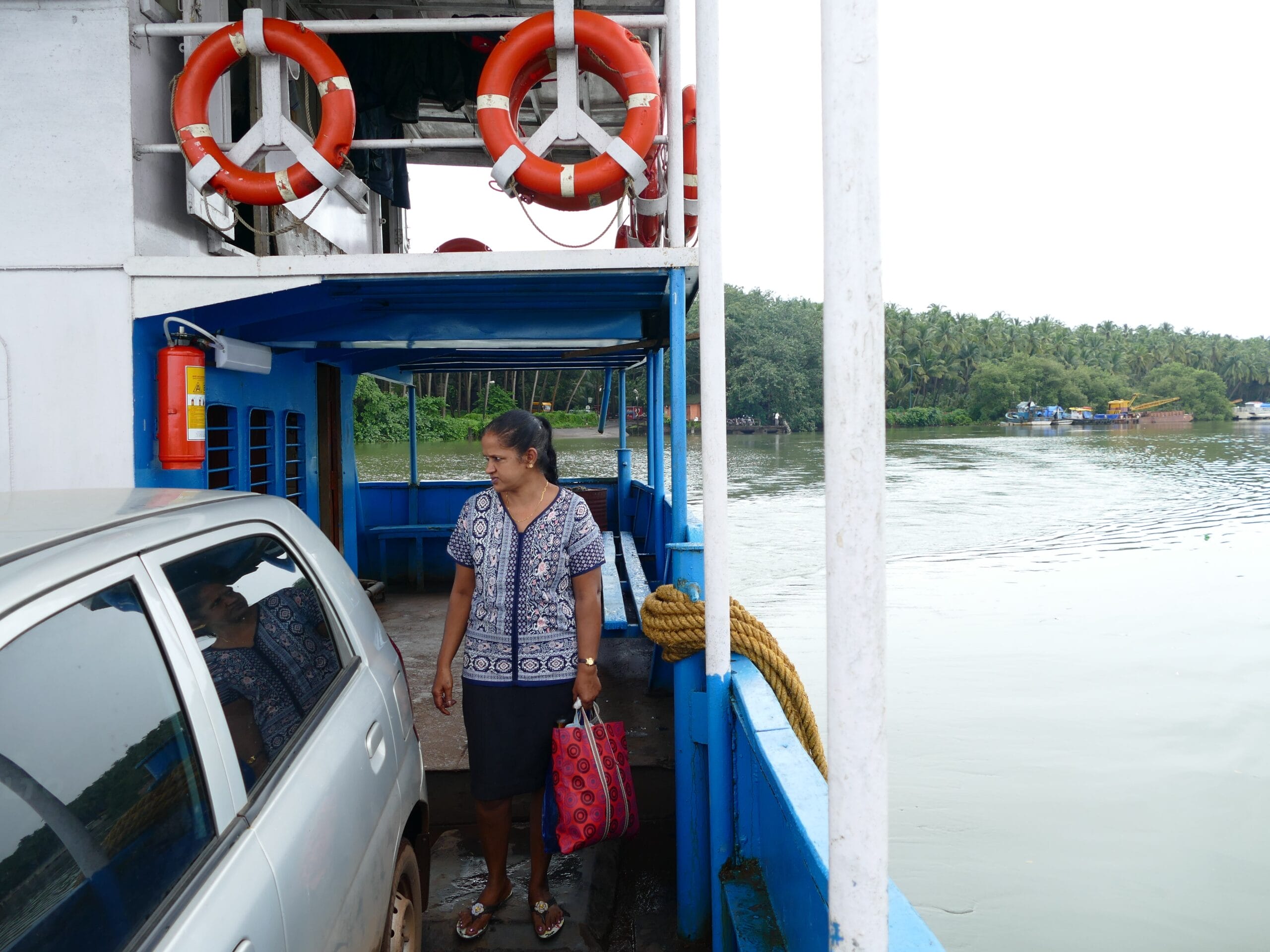
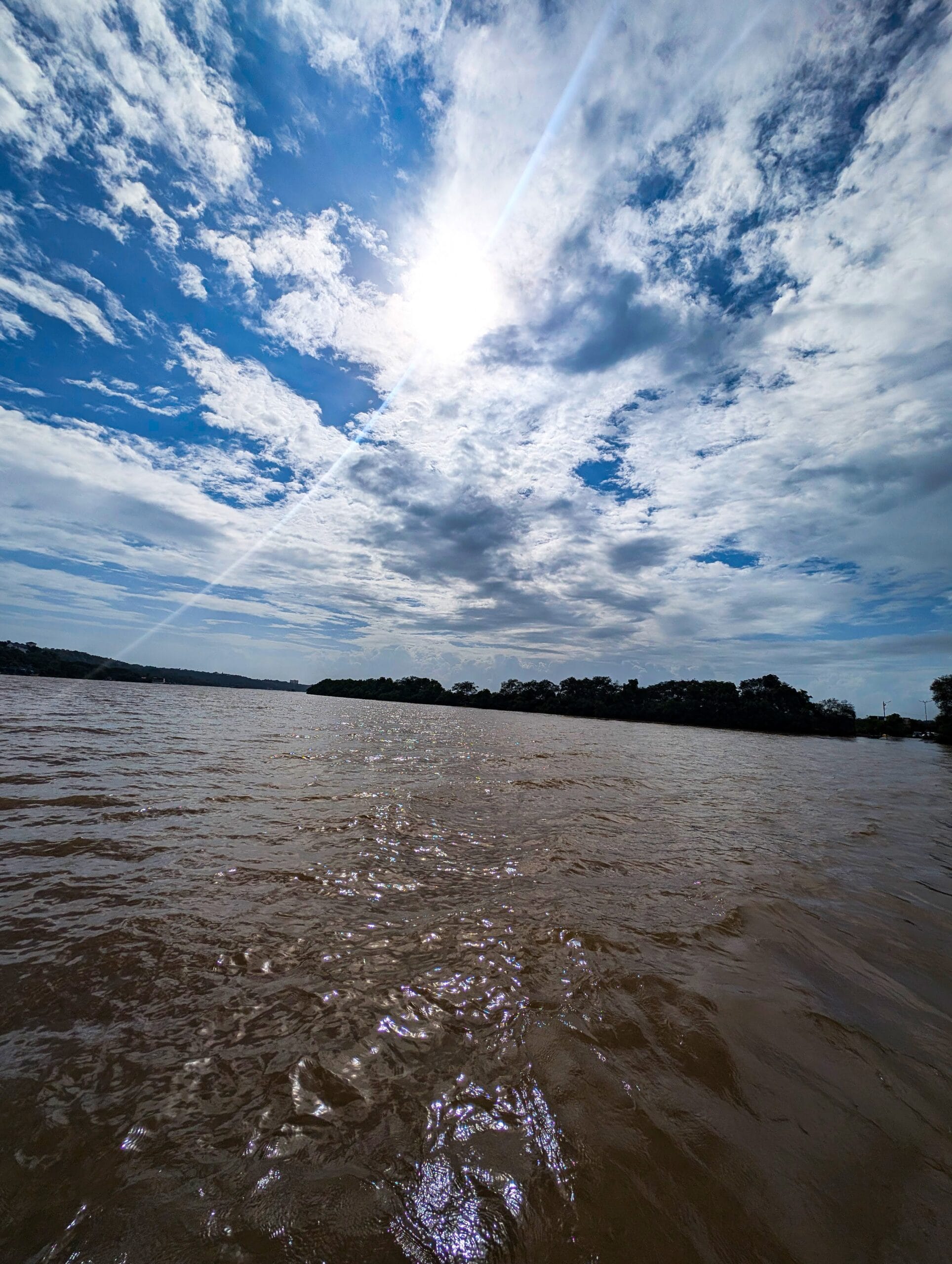
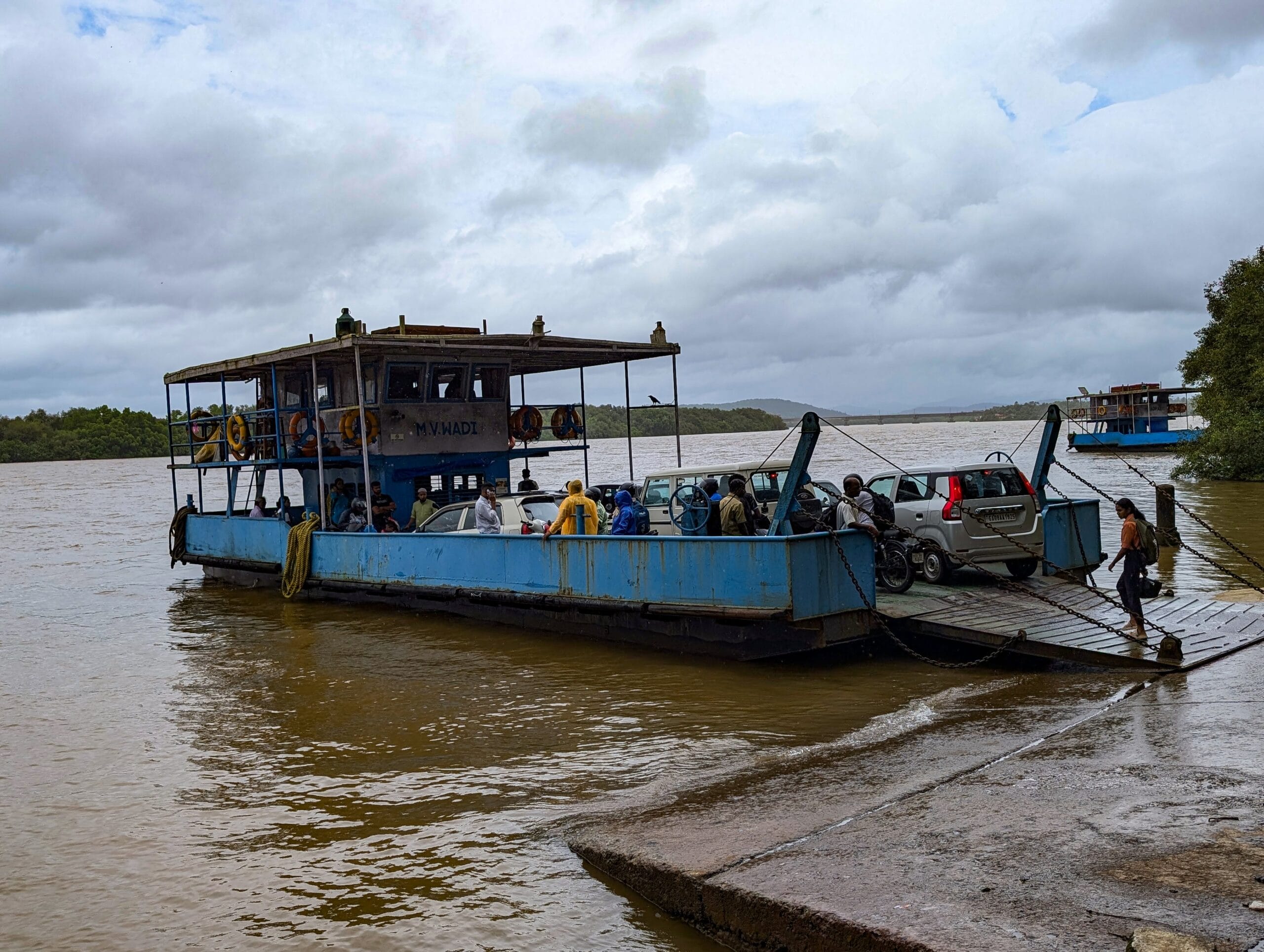
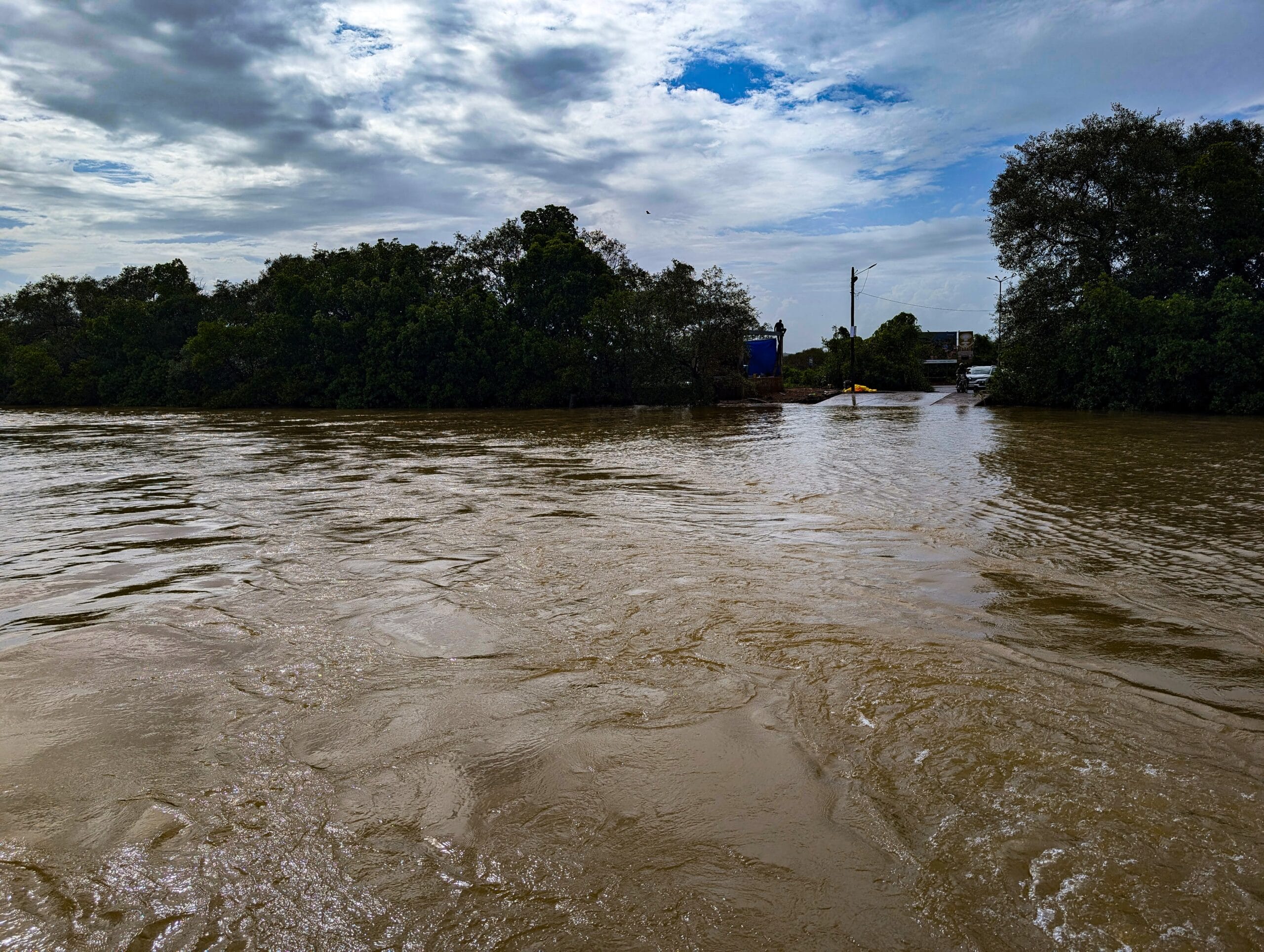
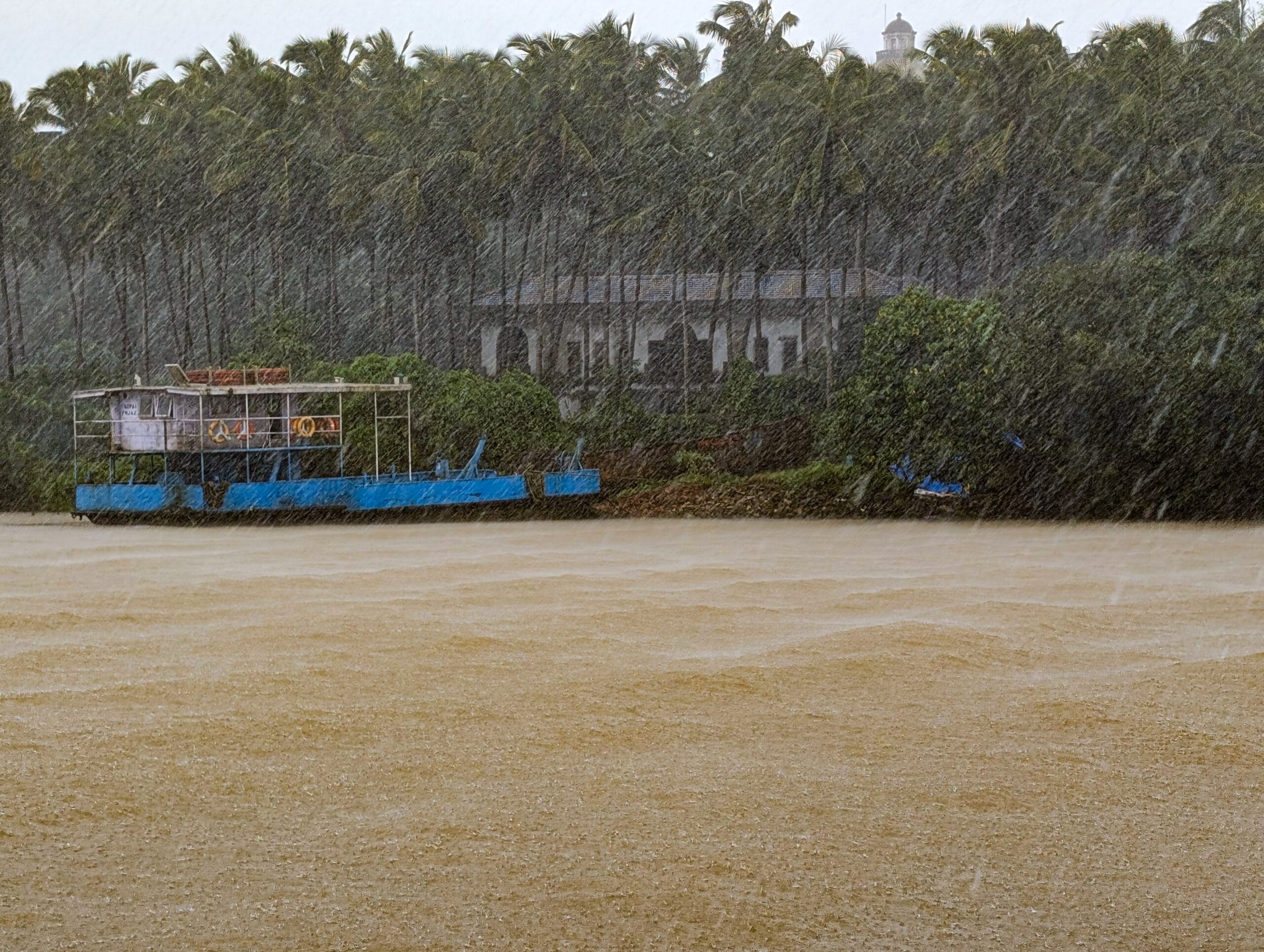
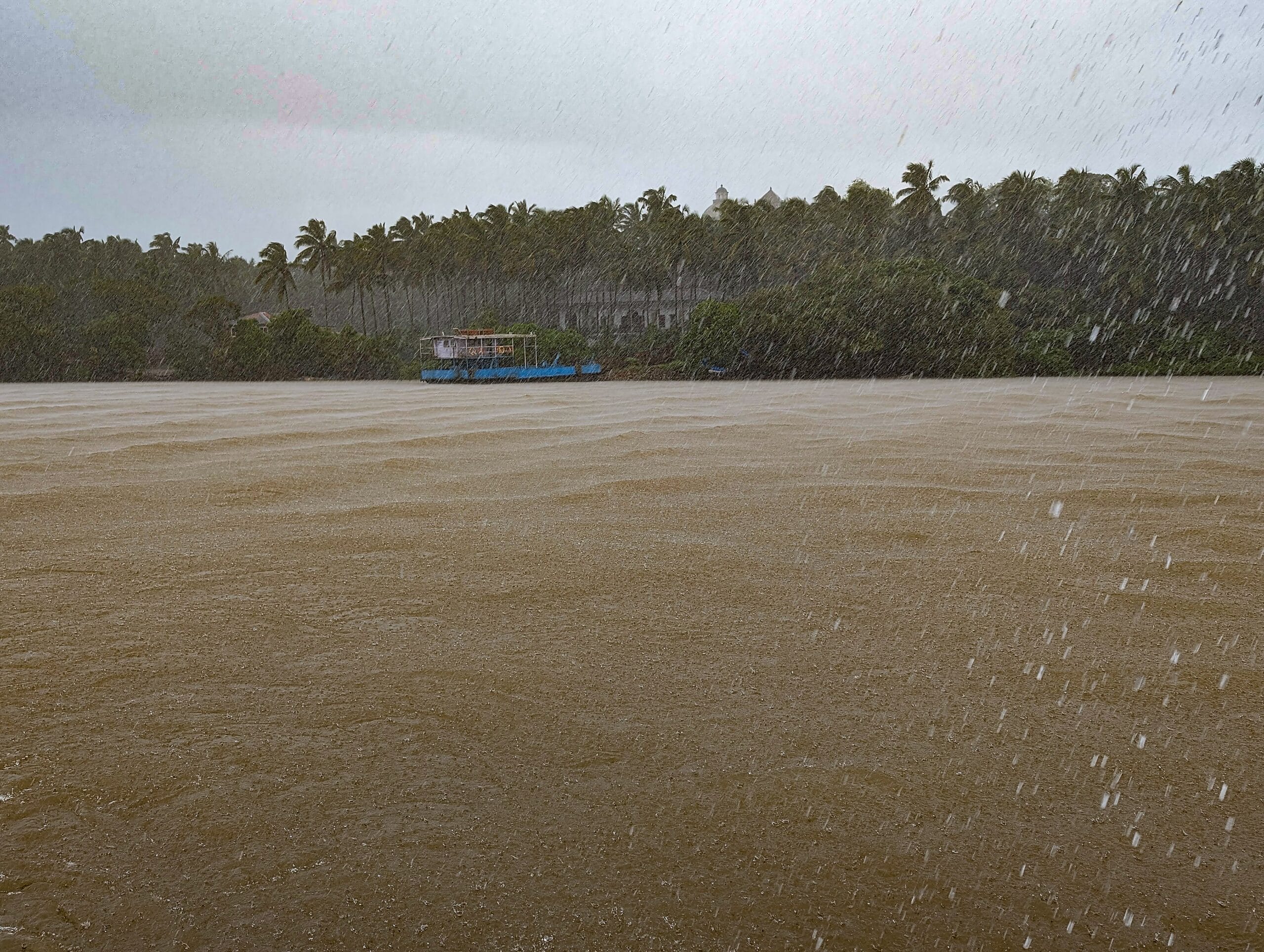
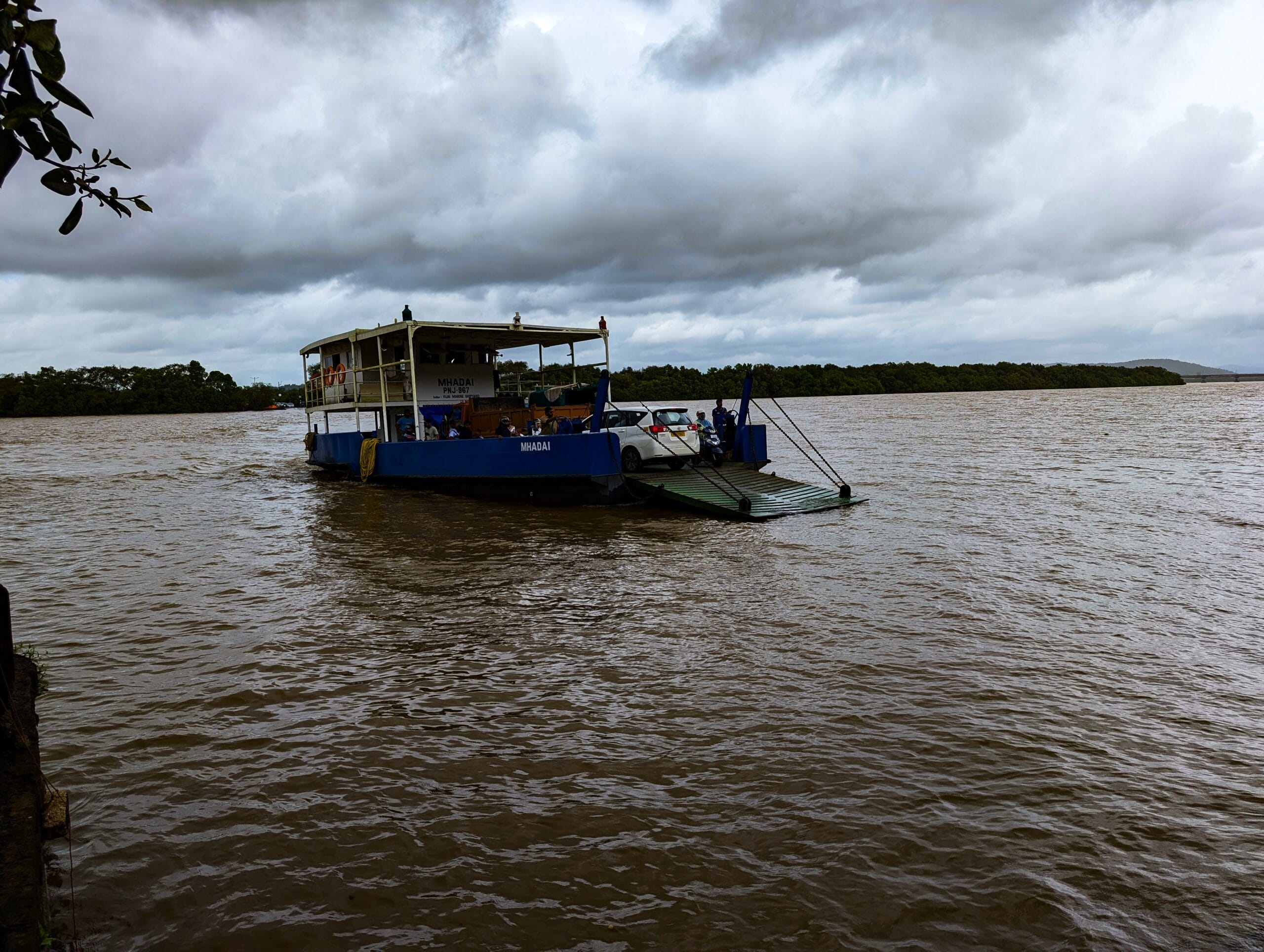
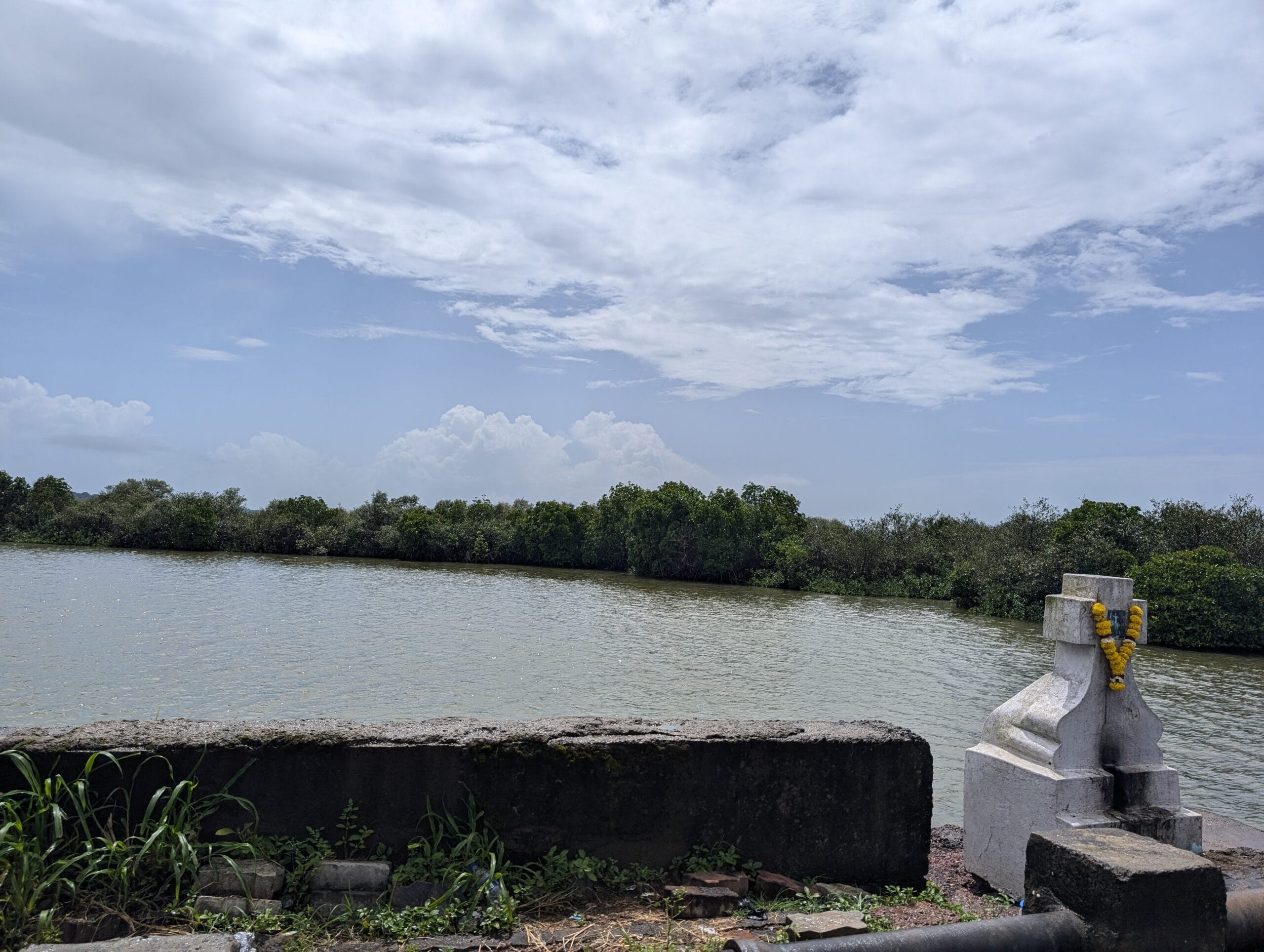
Divar sits about 10km upriver from Panjim and can only be reached by boat – there is no bridge. Three free ferry routes serve the island: from Old Goa (near the Viceroy’s Arch) to the south side, from Naroa in Bicholim taluka to the east end, and from Ribandar to the southwest. Ferries run roughly every 10–15 minutes through the day, from around 7am to 8pm, and you can bring a two- or four-wheeler across for a small fee – these boats are the daily lifeline for the island’s community, not just a tourist novelty.

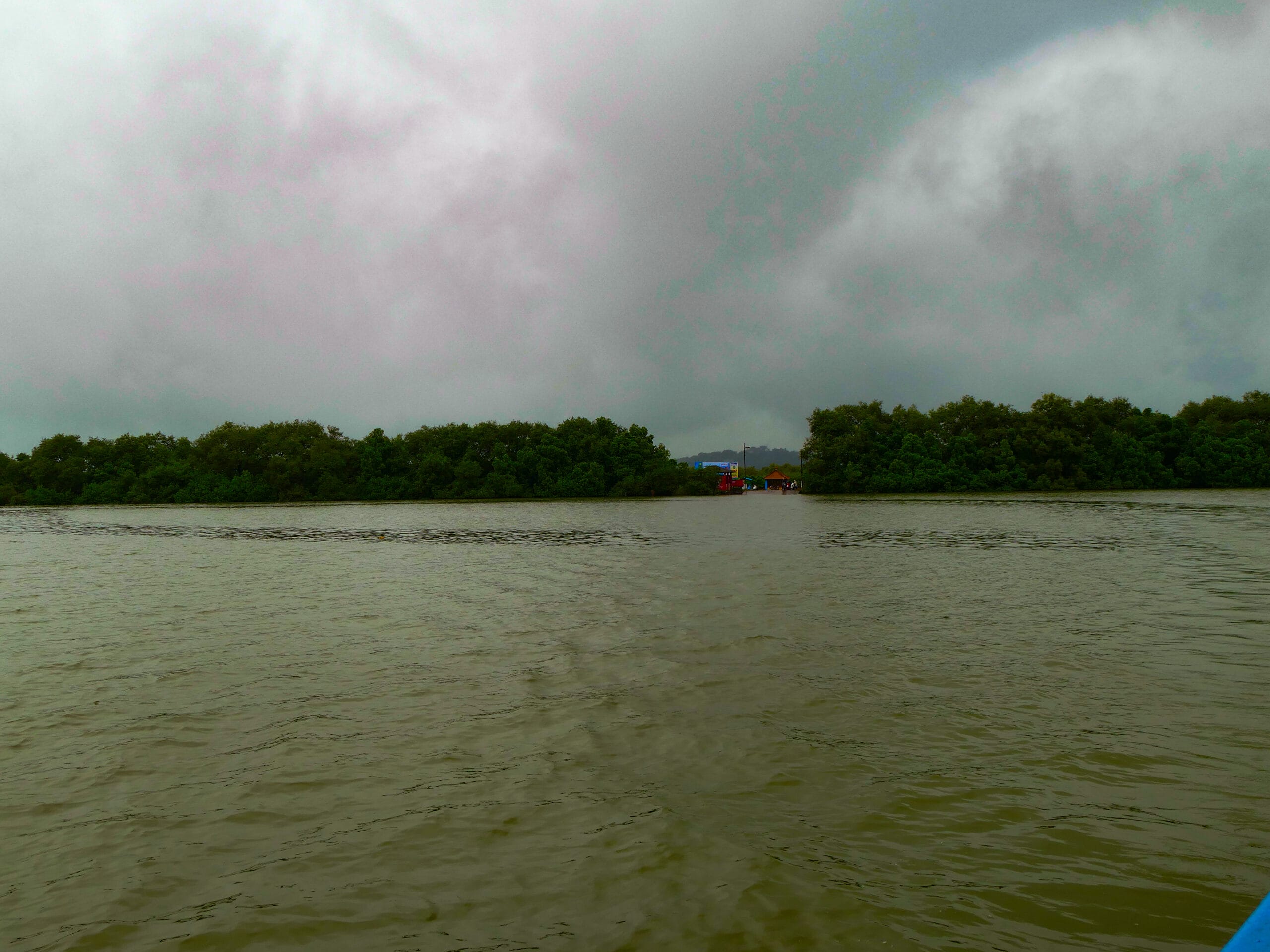
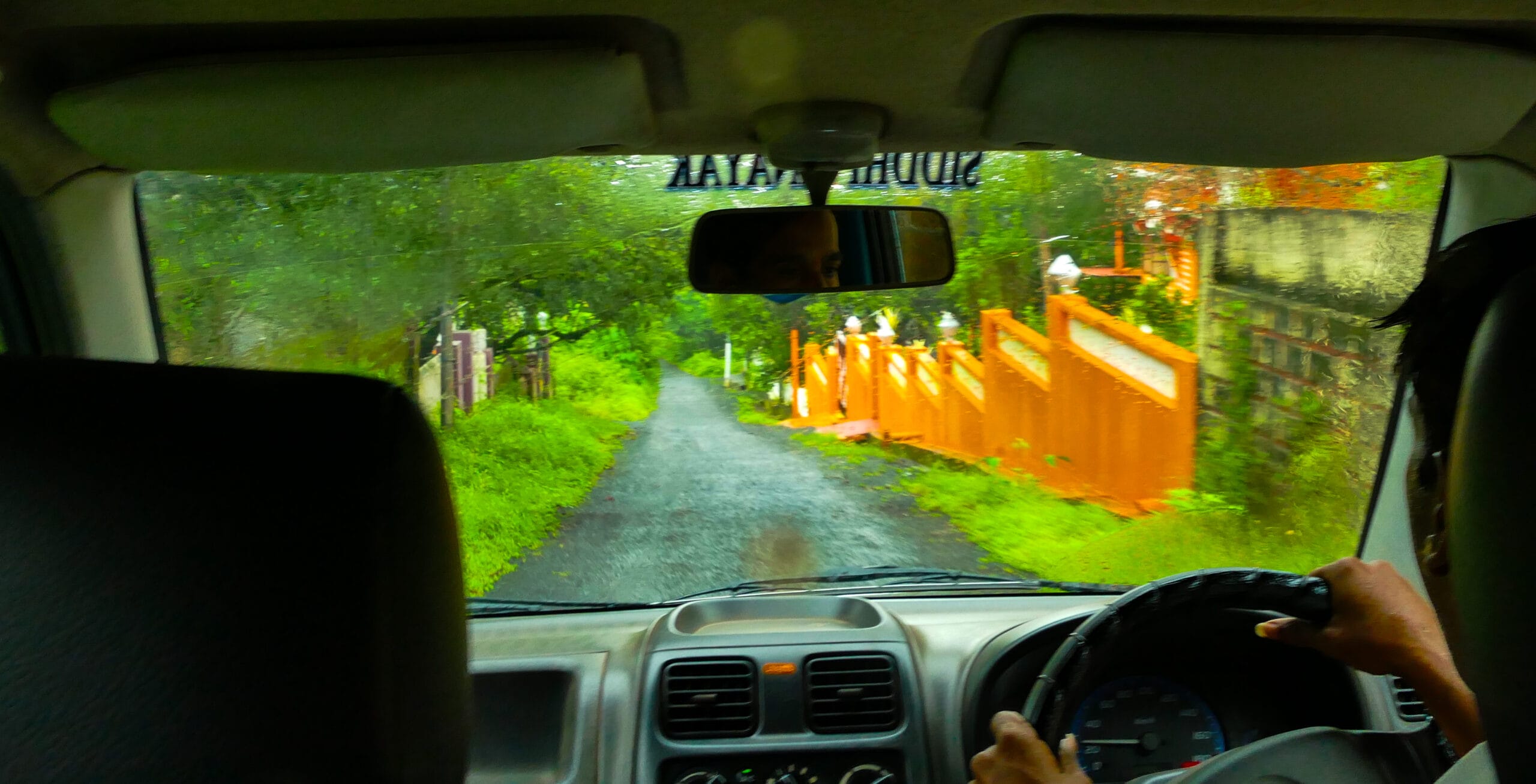
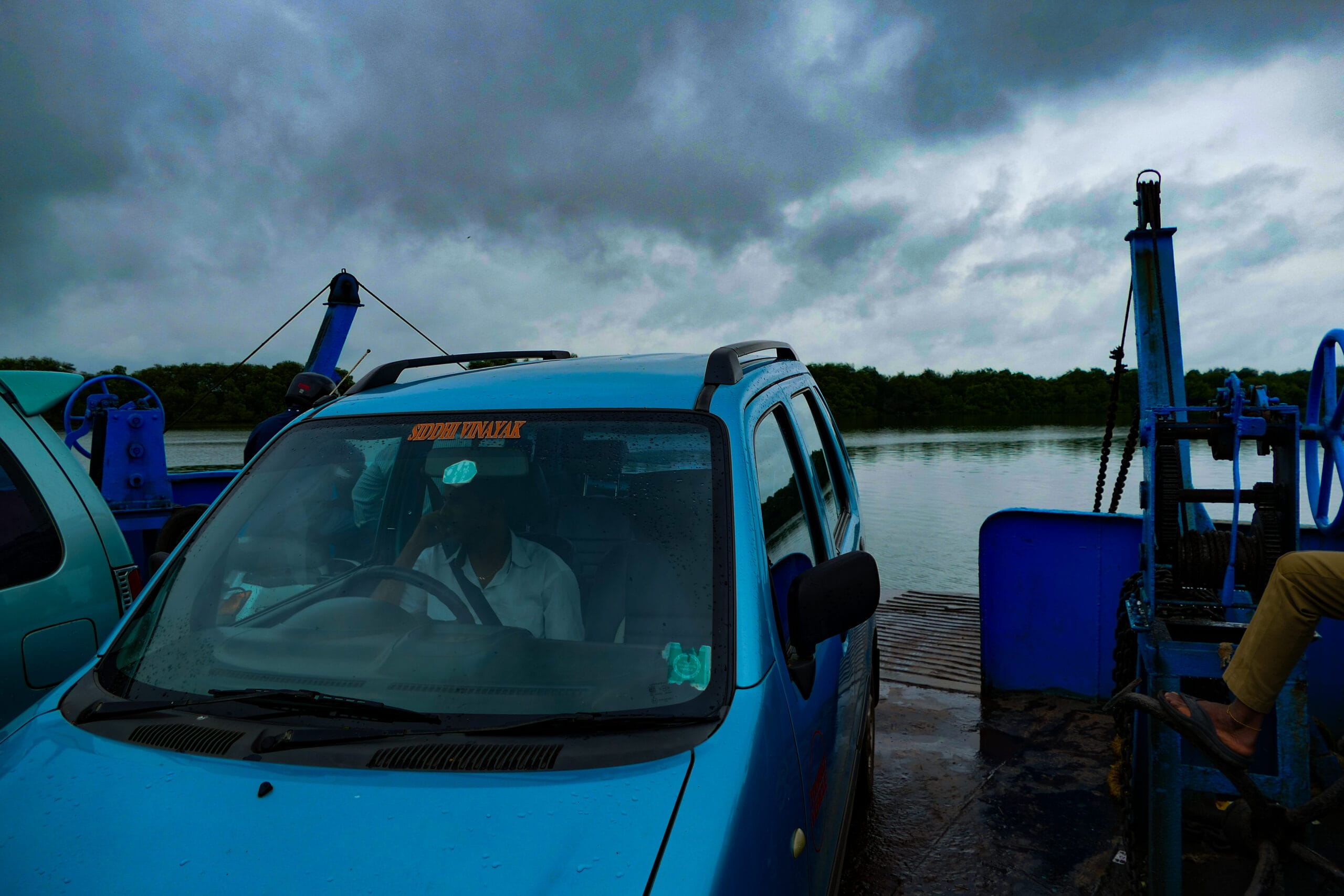
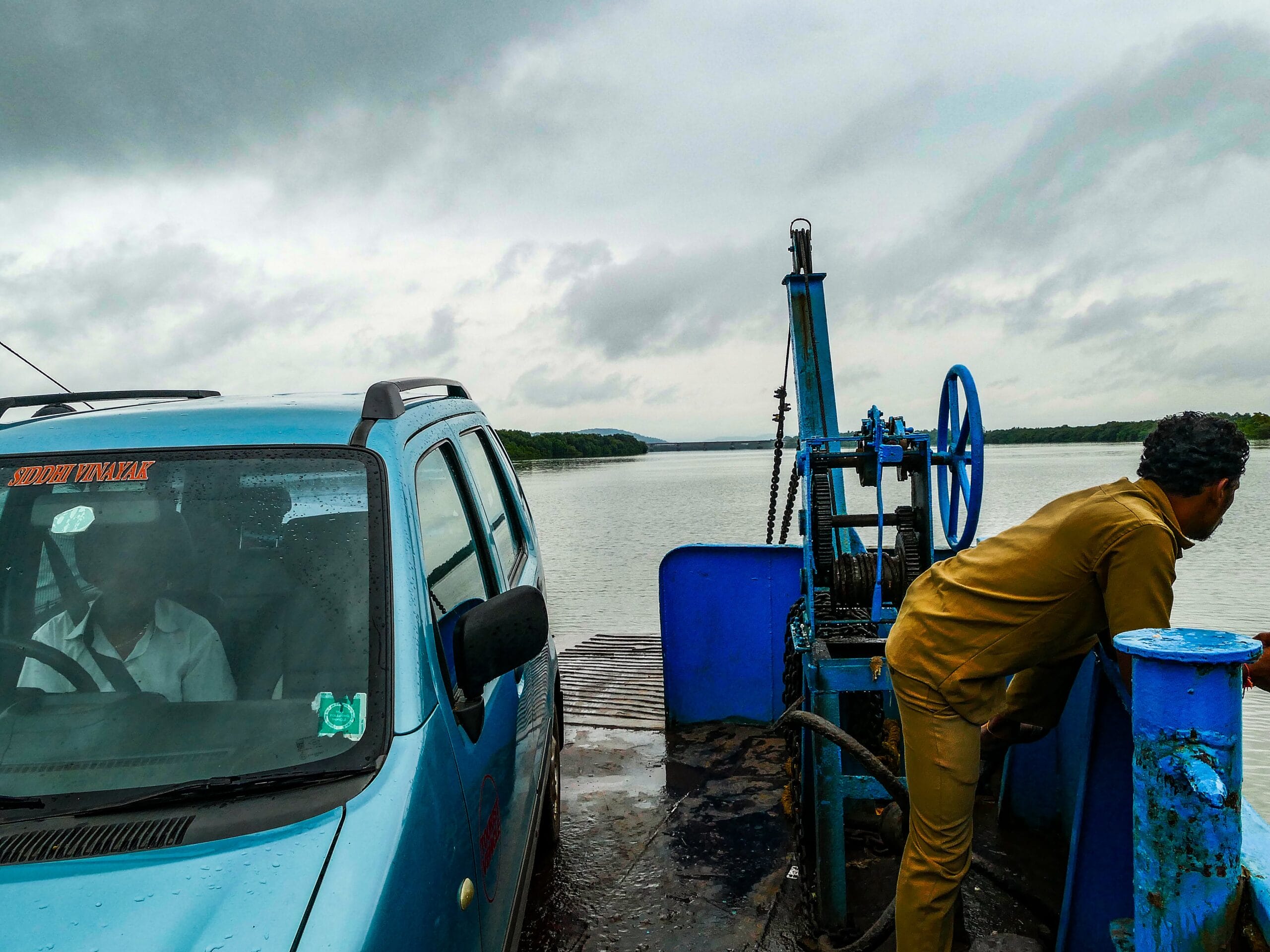
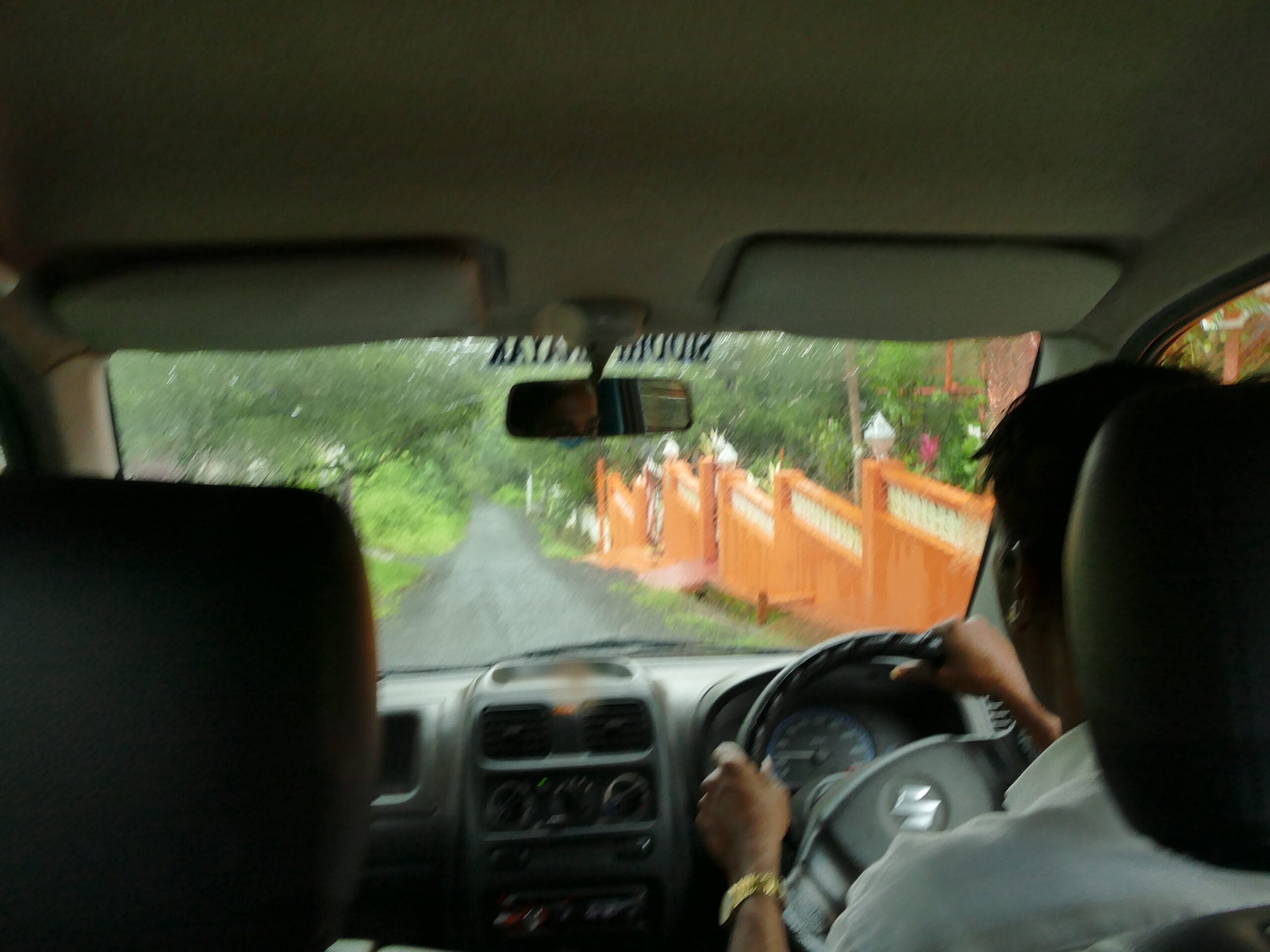
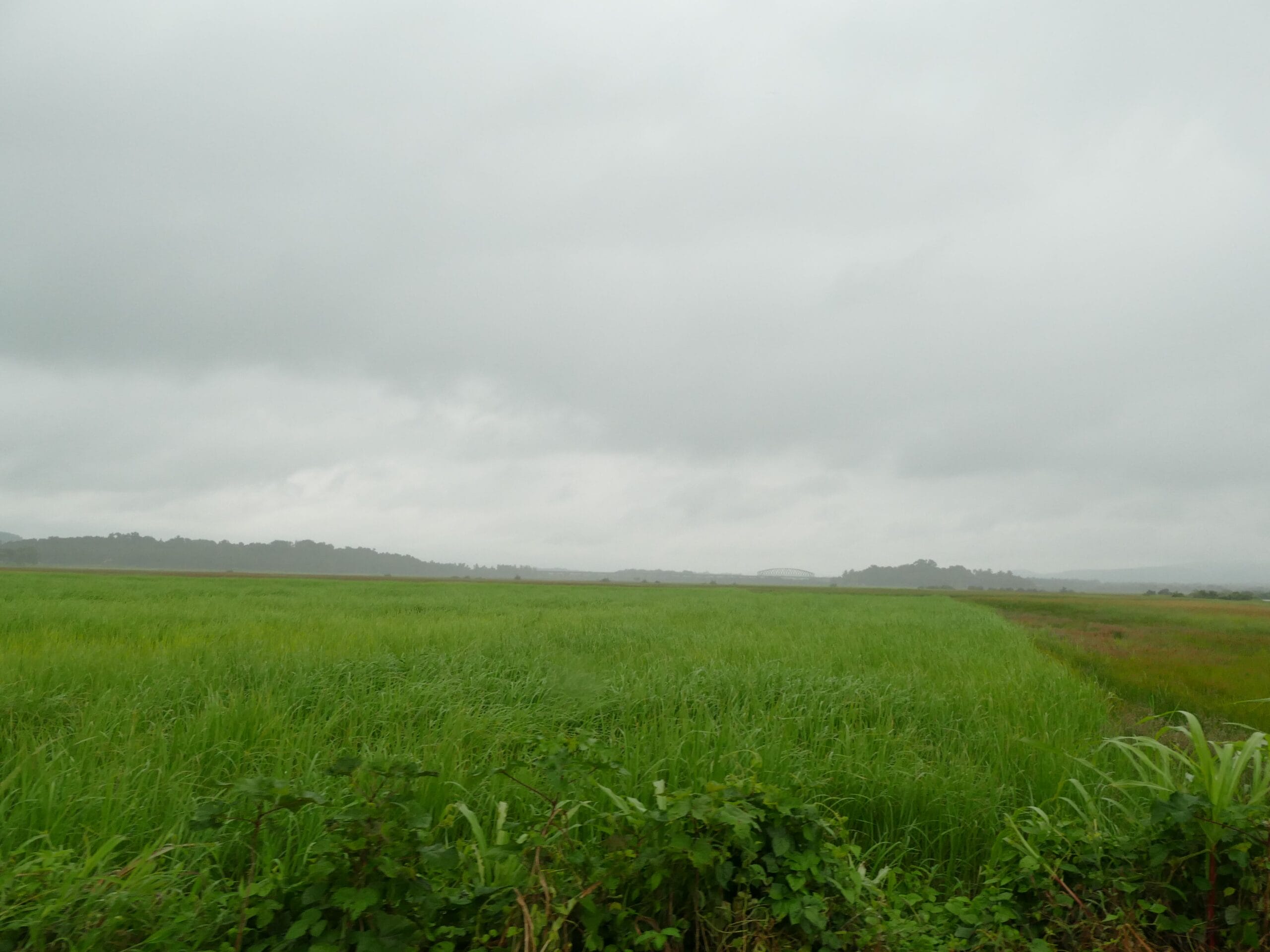
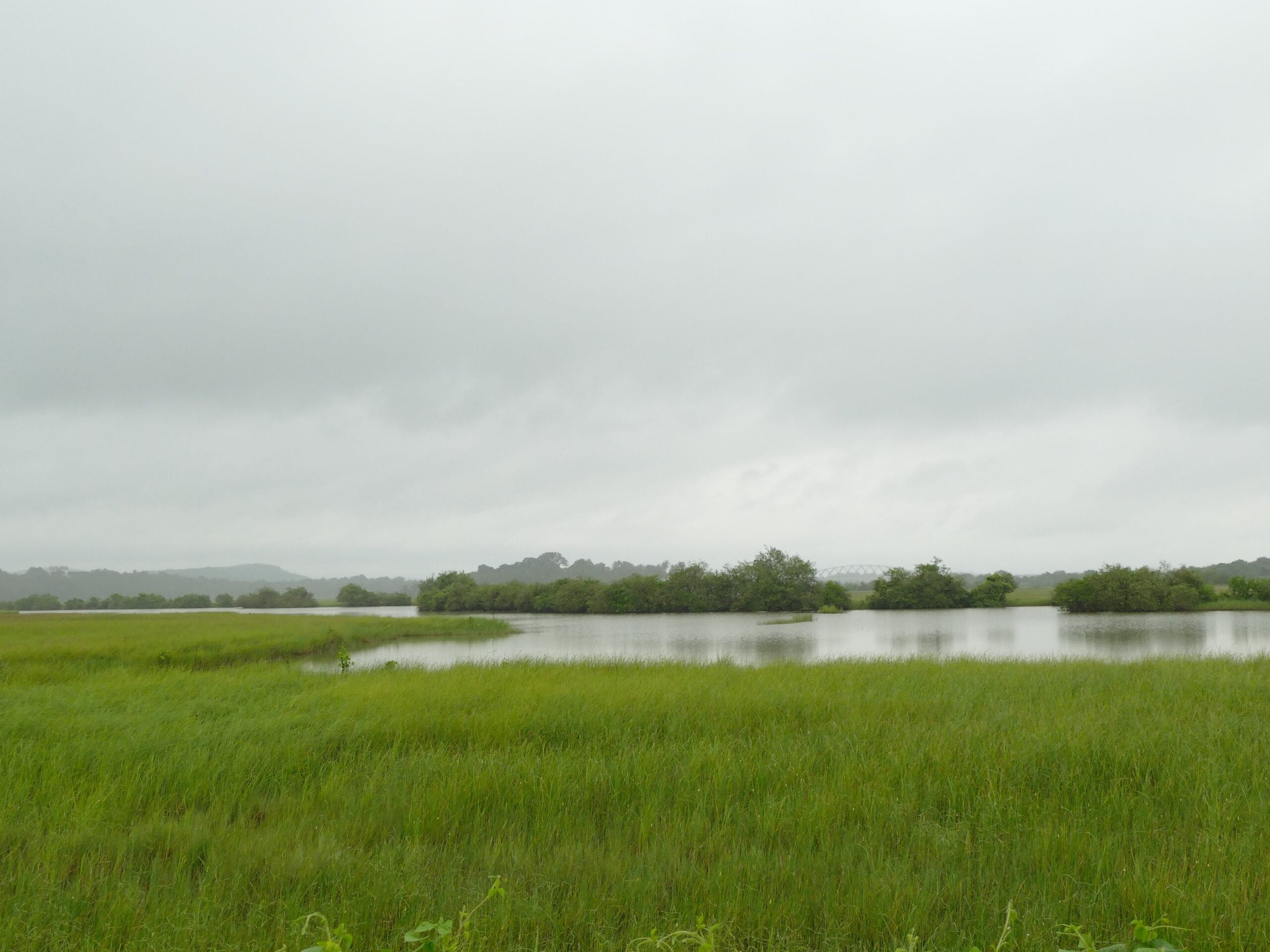
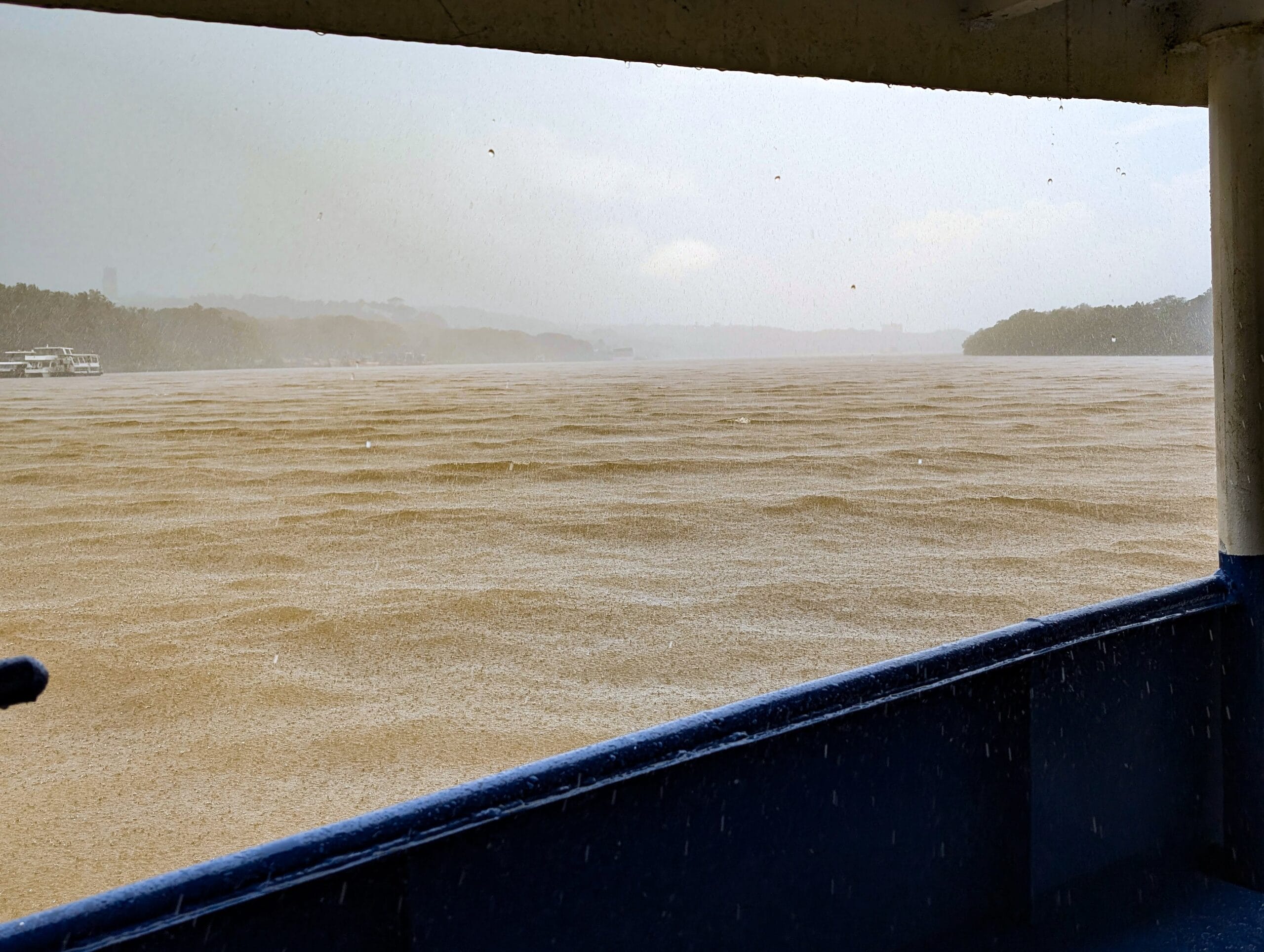
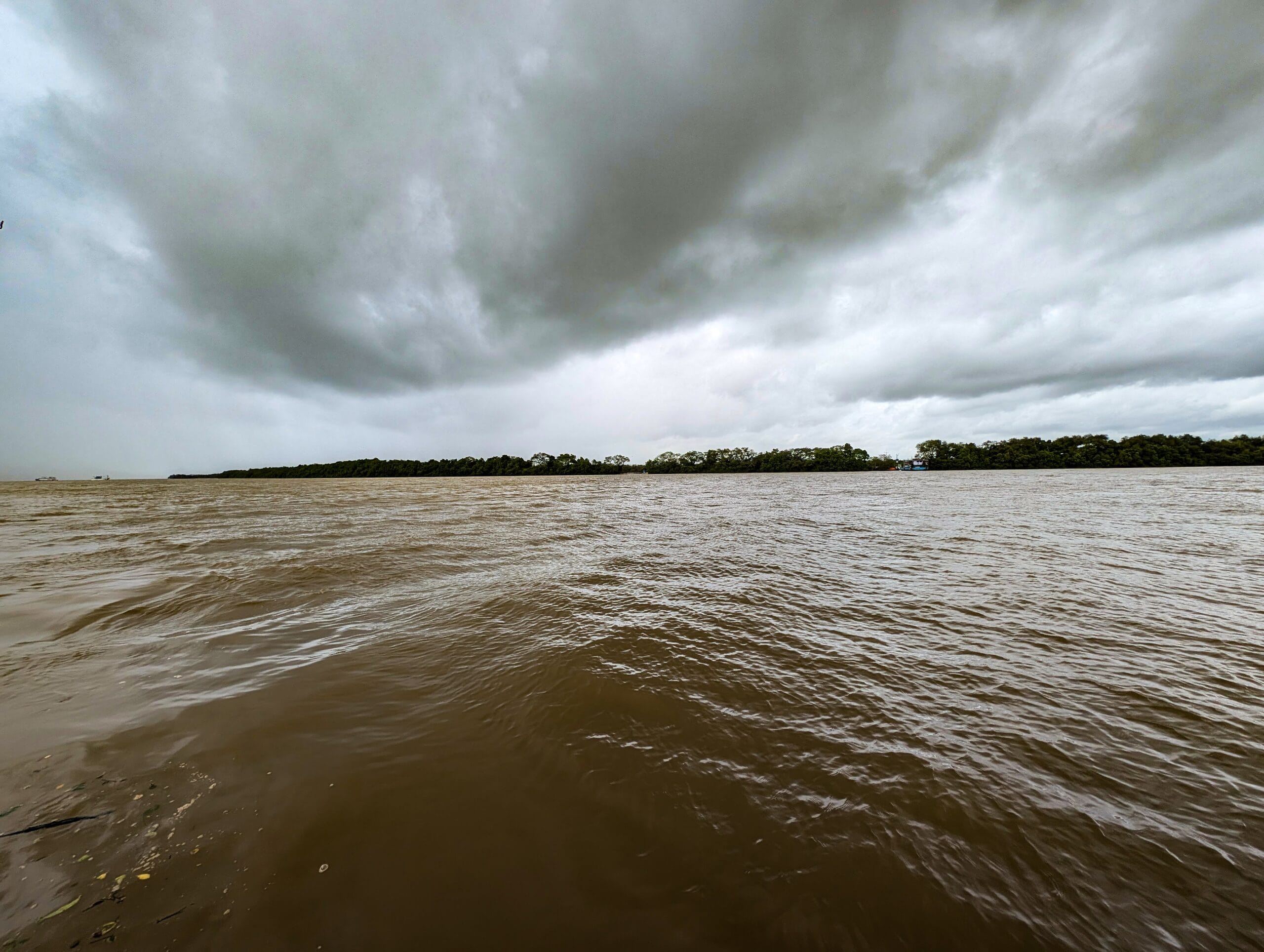
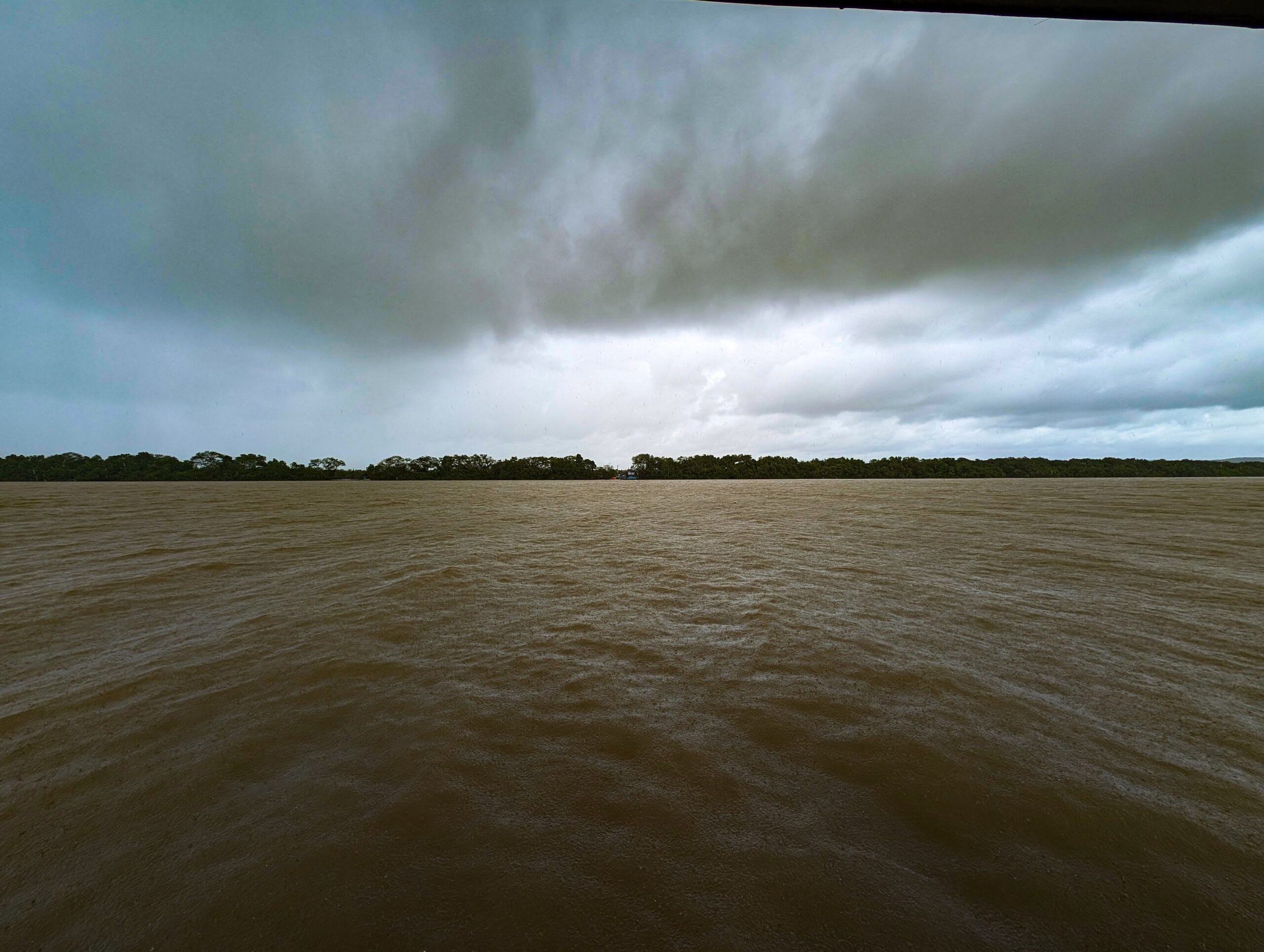
It rains often on the crossing – here’s what a typical ferry ride to Divar Island looks like.
A Brief History of Divar Island
Divar was once home to a large Hindu population of Old Goa. When the Portuguese began religious persecution, residents fled to other parts of Goa, leaving behind ruined temples and shrines – a plague epidemic around the same time accelerated the exodus. Divar today is split into three villages – Piedade, Malar and Naroa – of which Piedade, the largest, is where most visitors head first.
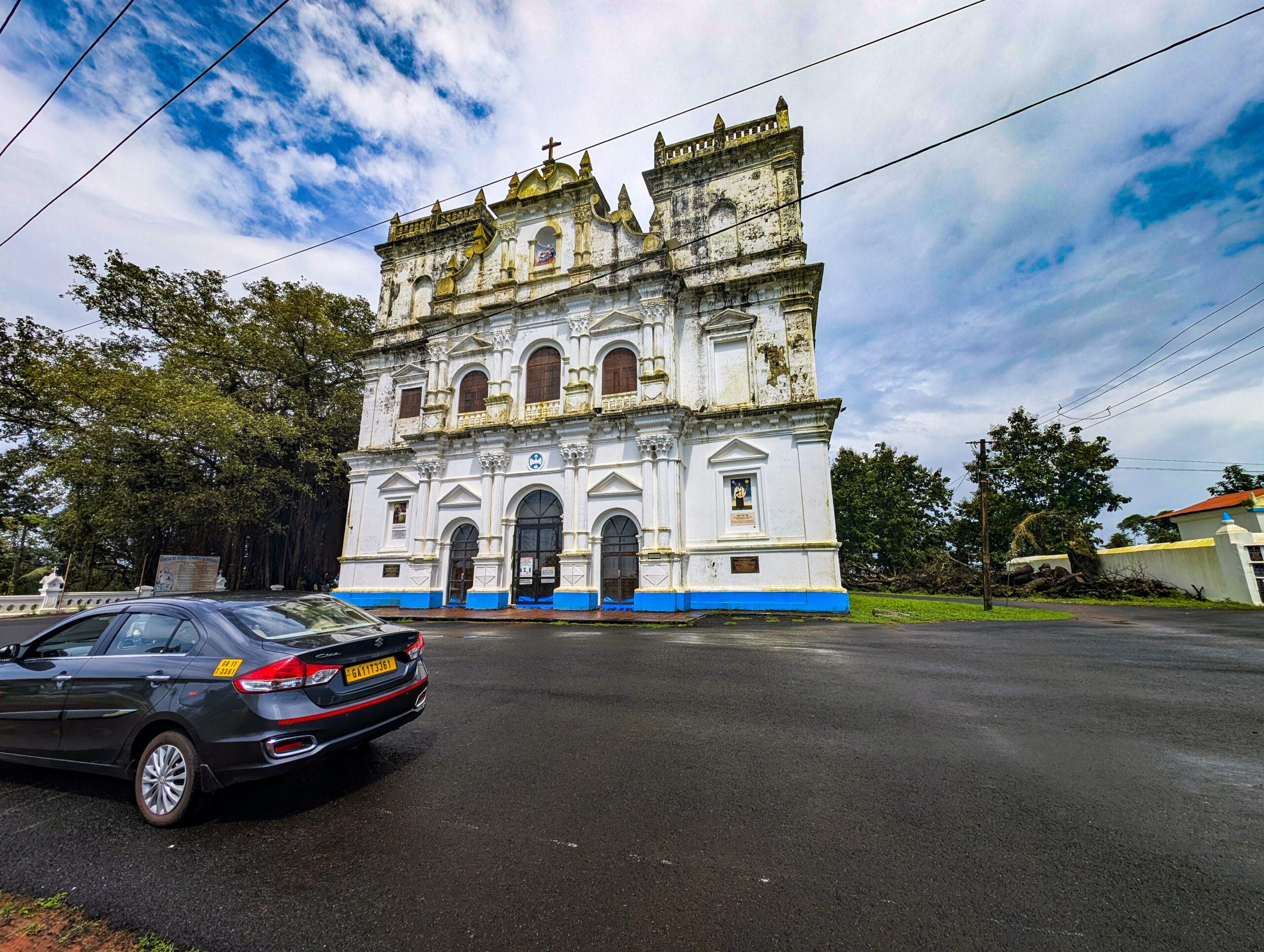
Piedade Village and the Church of Our Lady of Compassion
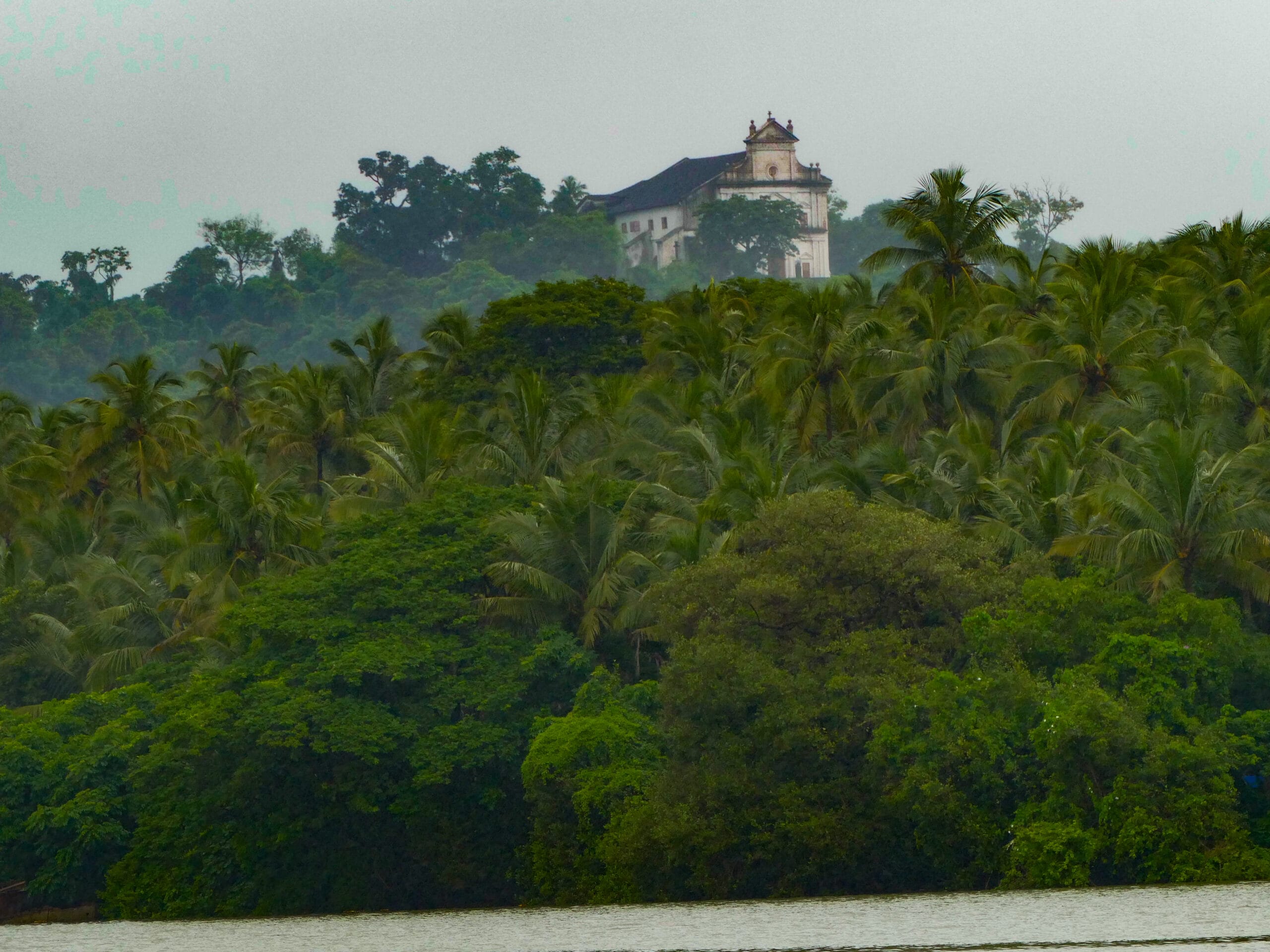
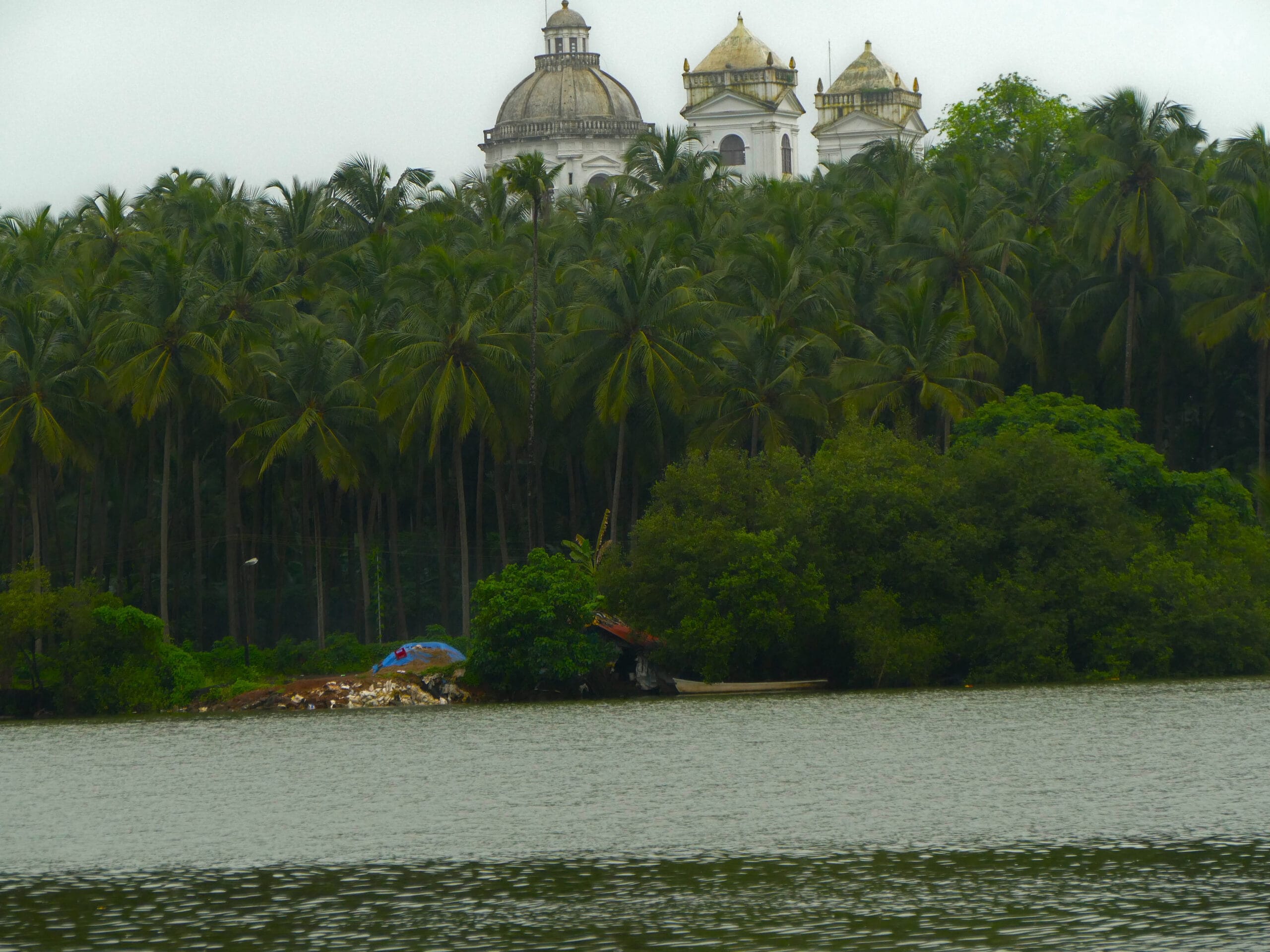
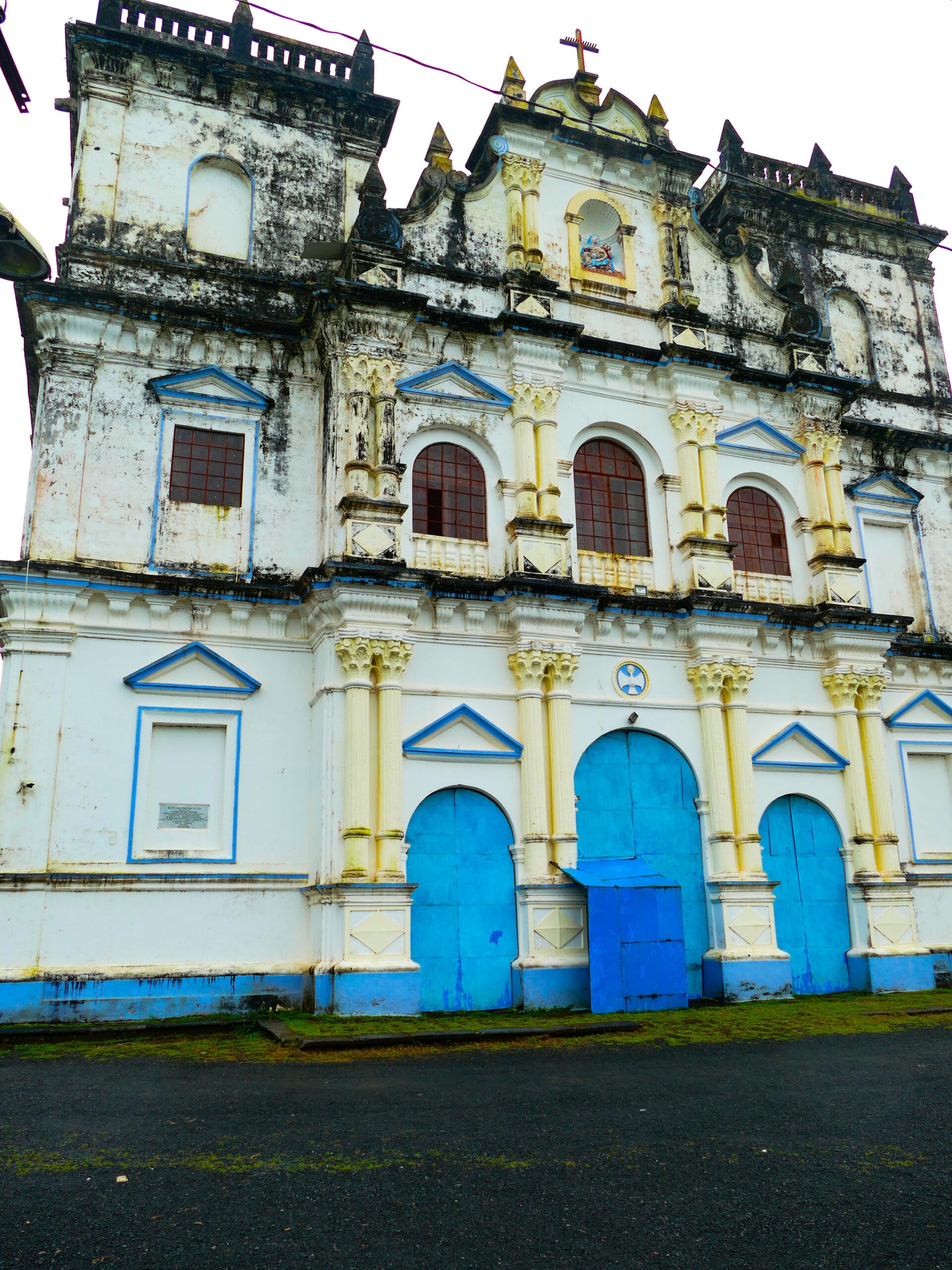
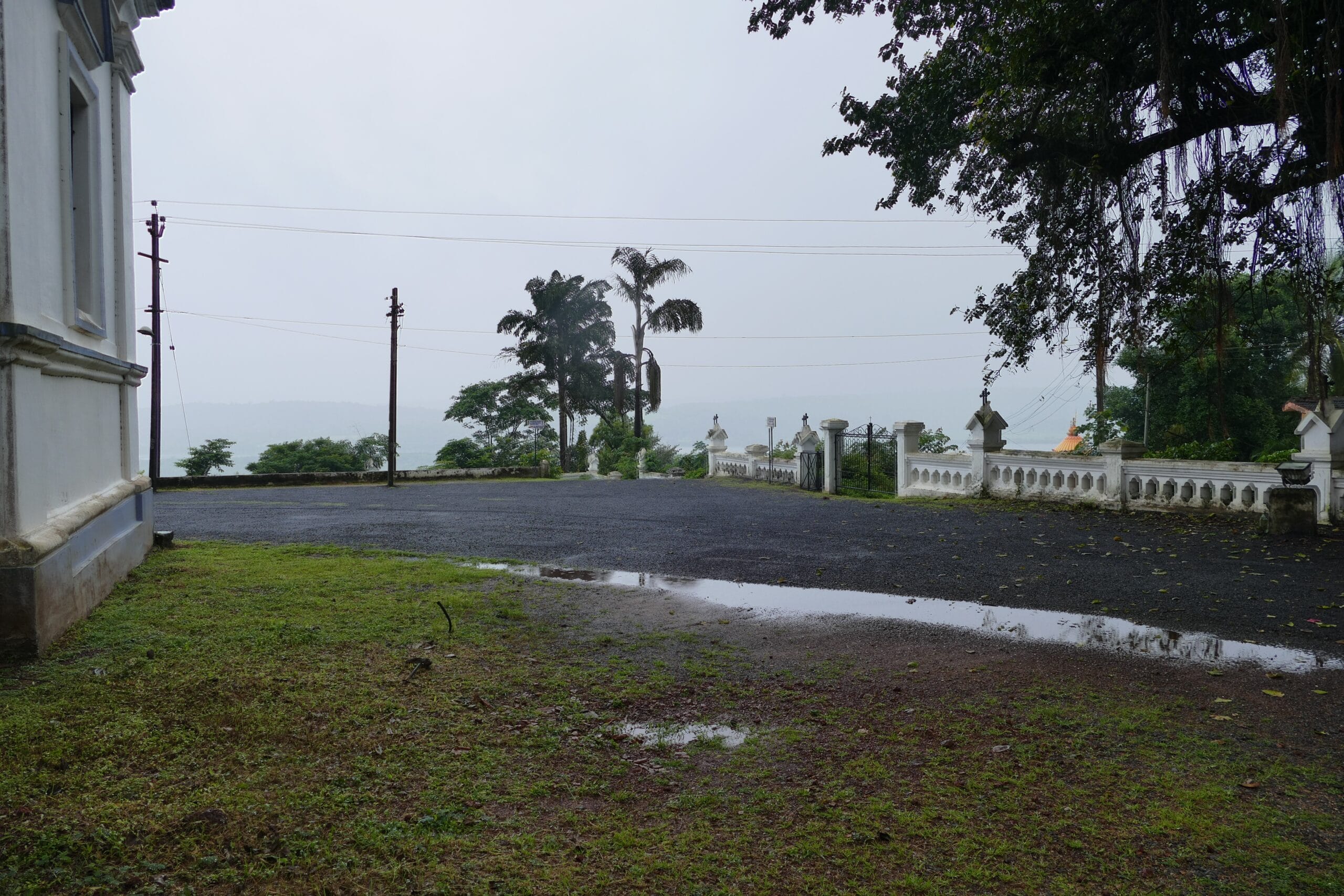
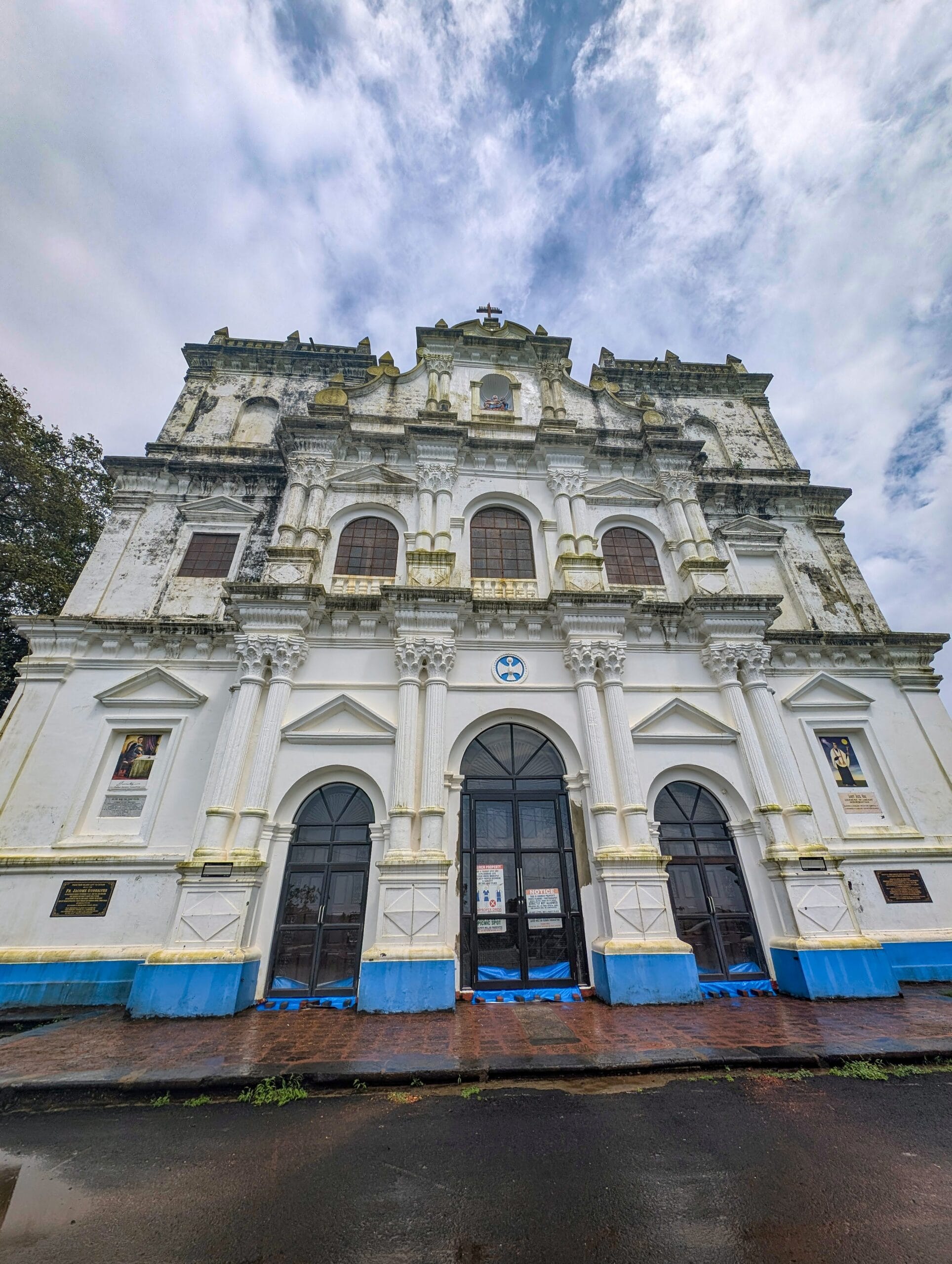
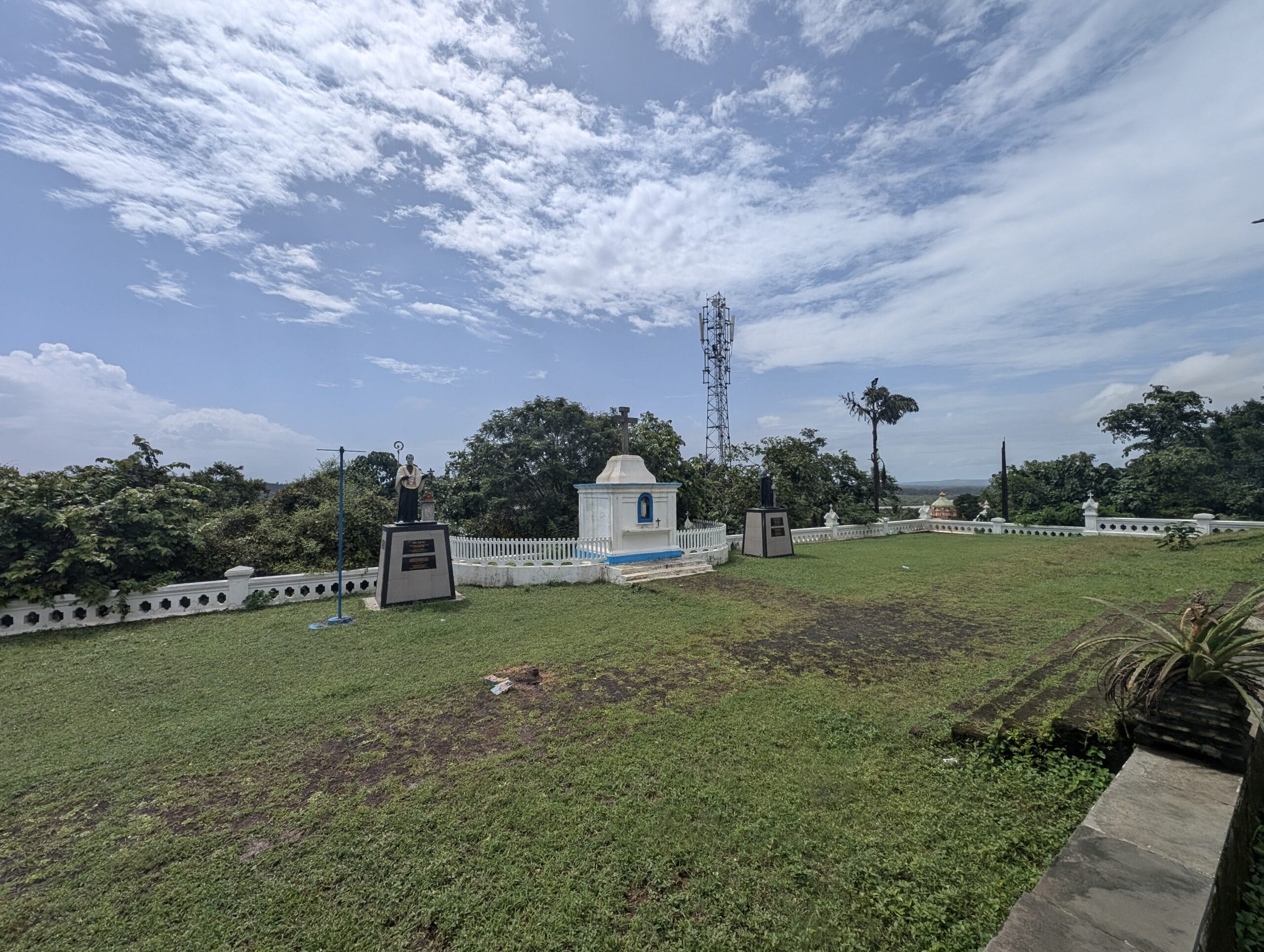
Piedade’s hill once held a Ganesh temple, destroyed by Muslim troops at the end of the 15th century; Christian settlers later built the Church of Our Lady of Compassion (also known as Our Lady of Piety) on the same site. The current church, in an impressive Indo-Portuguese baroque style, replaced an earlier structure that stood from 1699 to 1724 – the white facade and carved interior motifs are worth the climb up alone.


Where to Eat on Divar Island
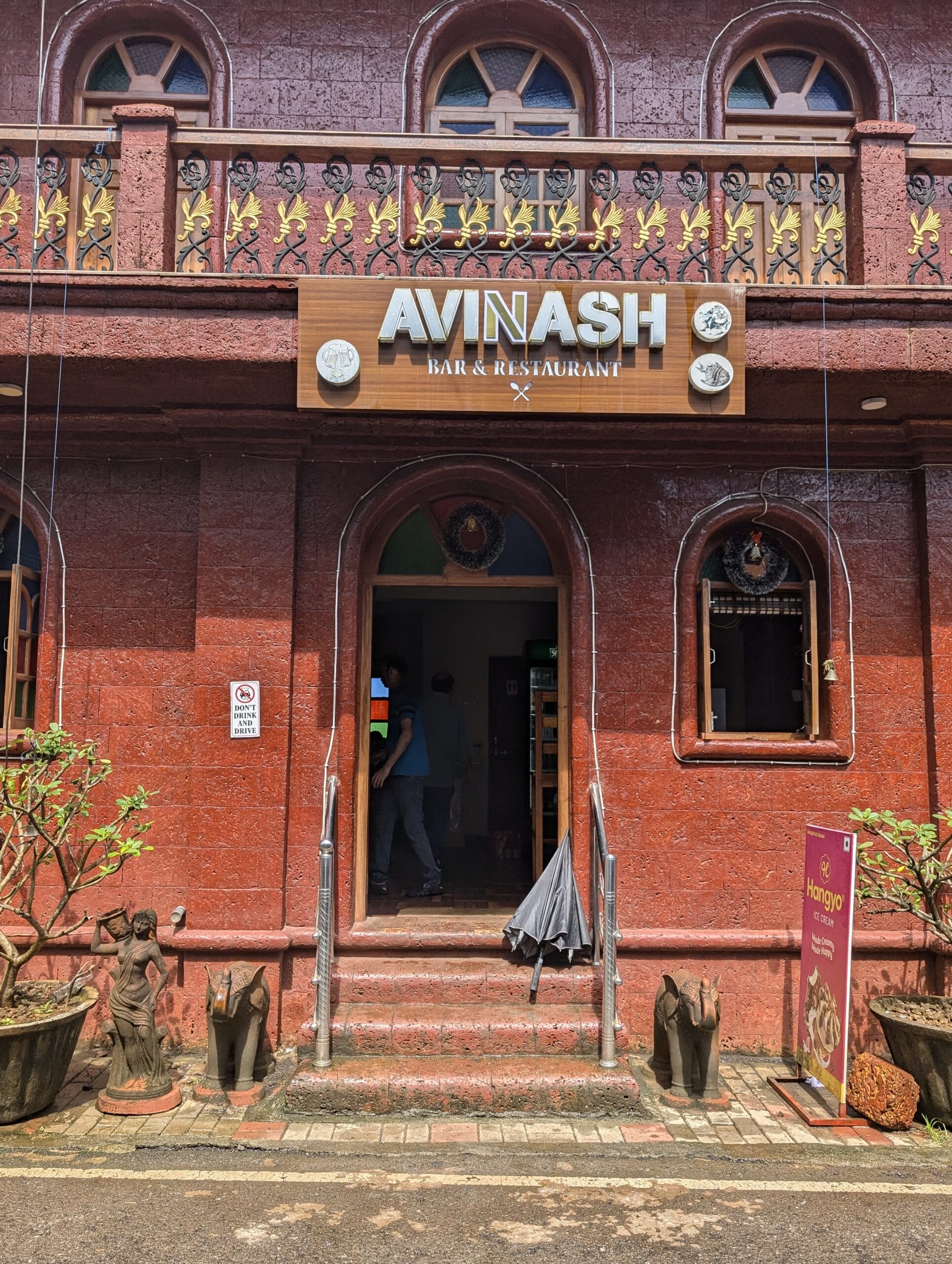
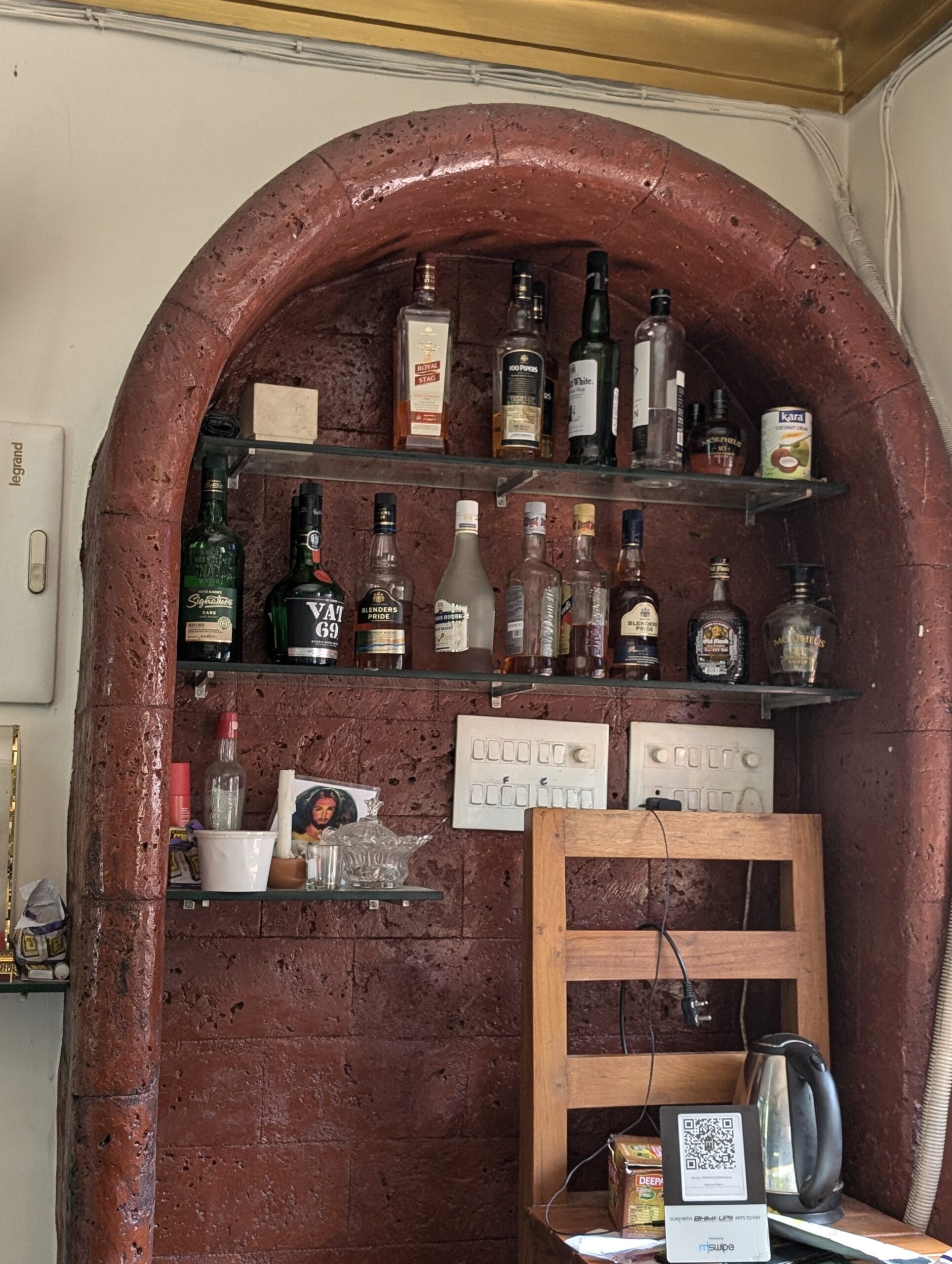
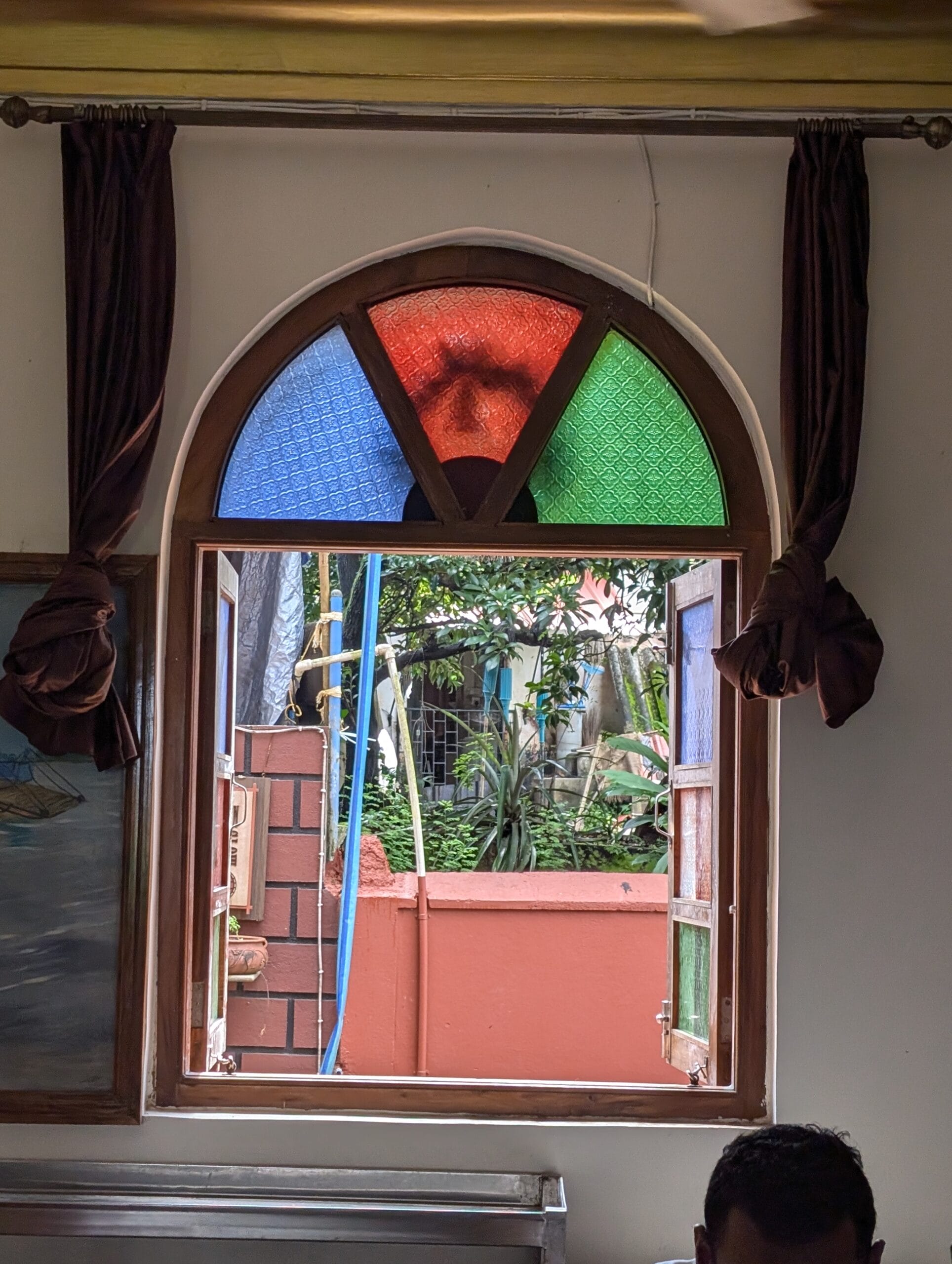
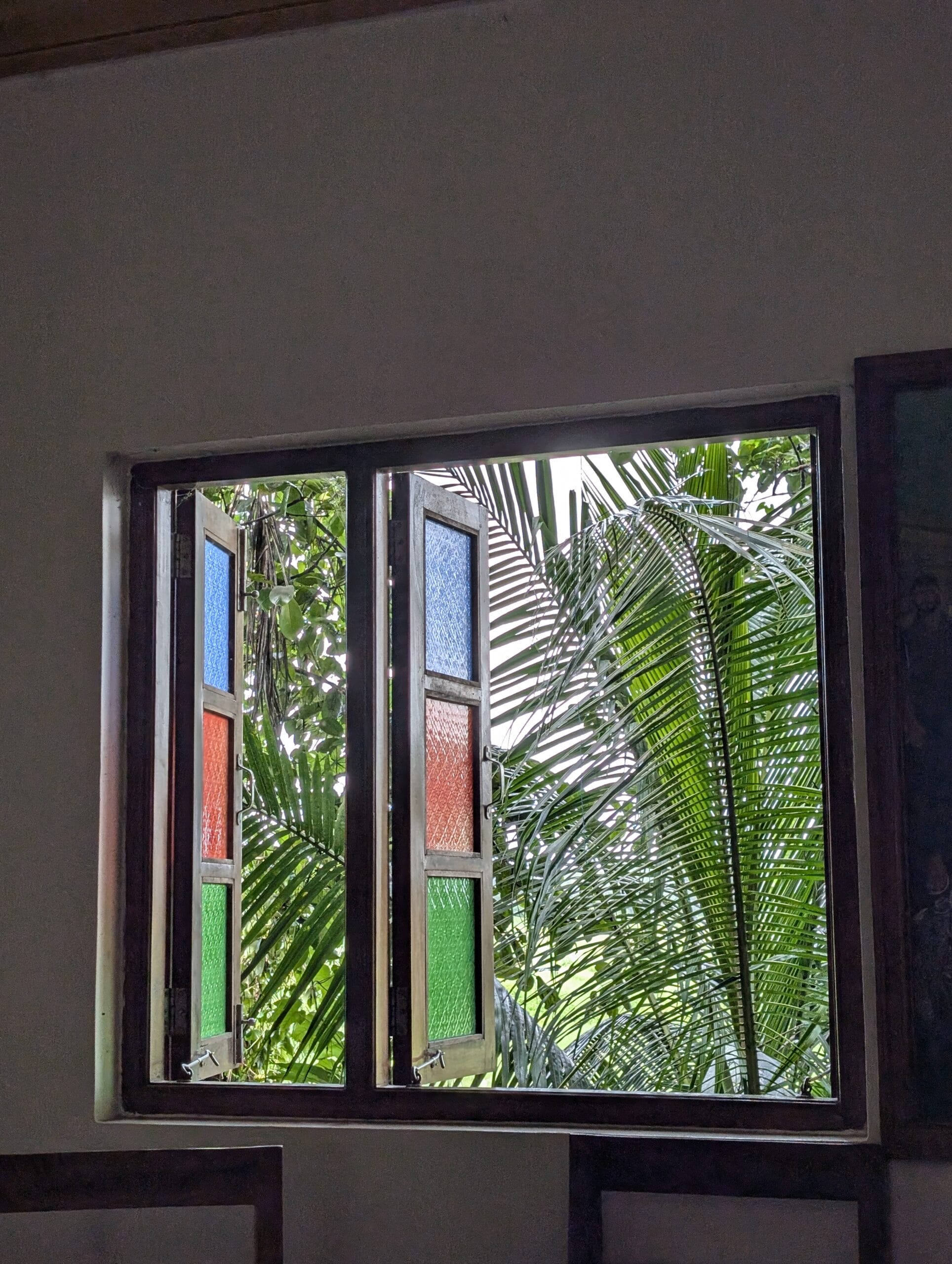
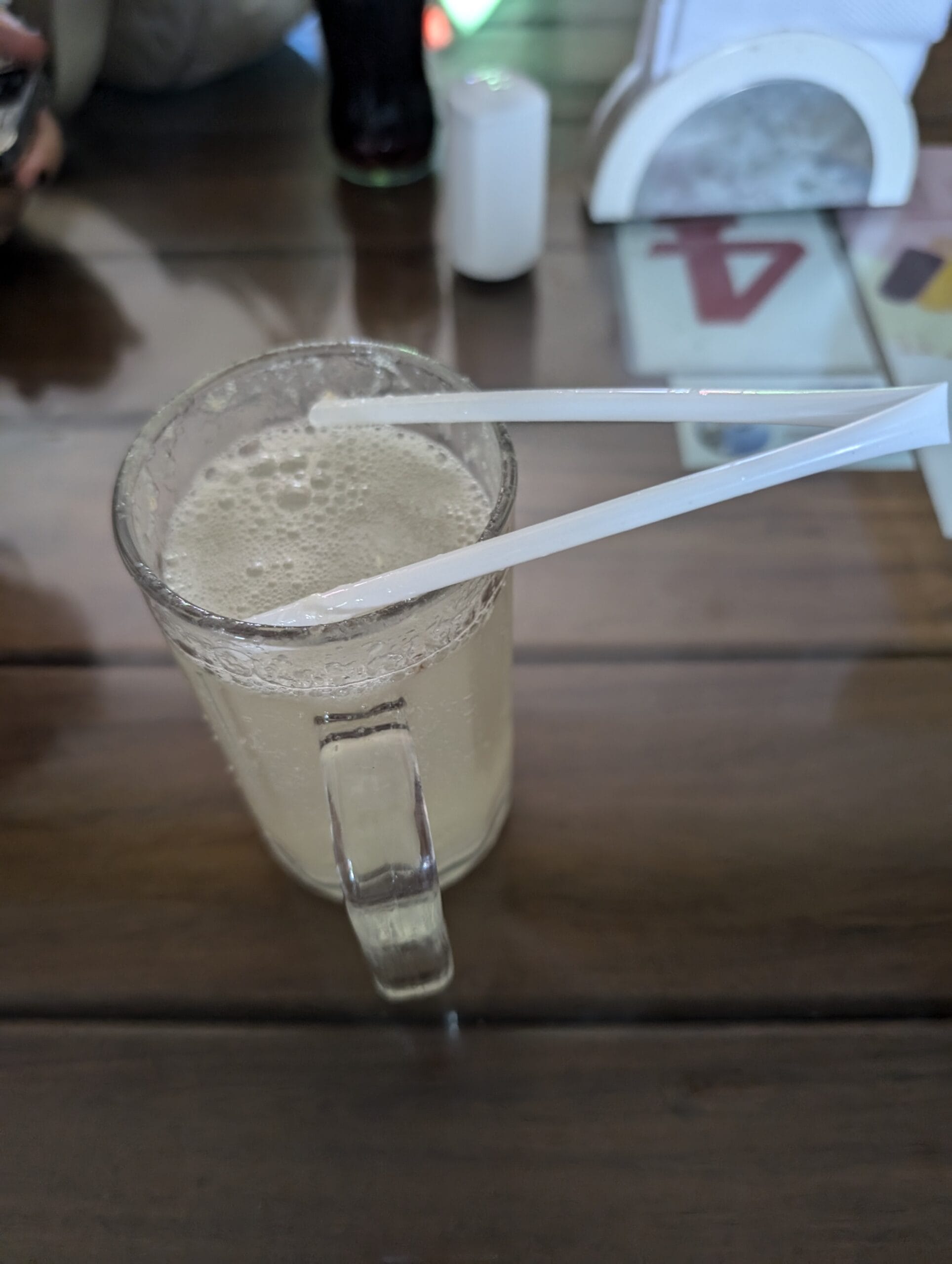
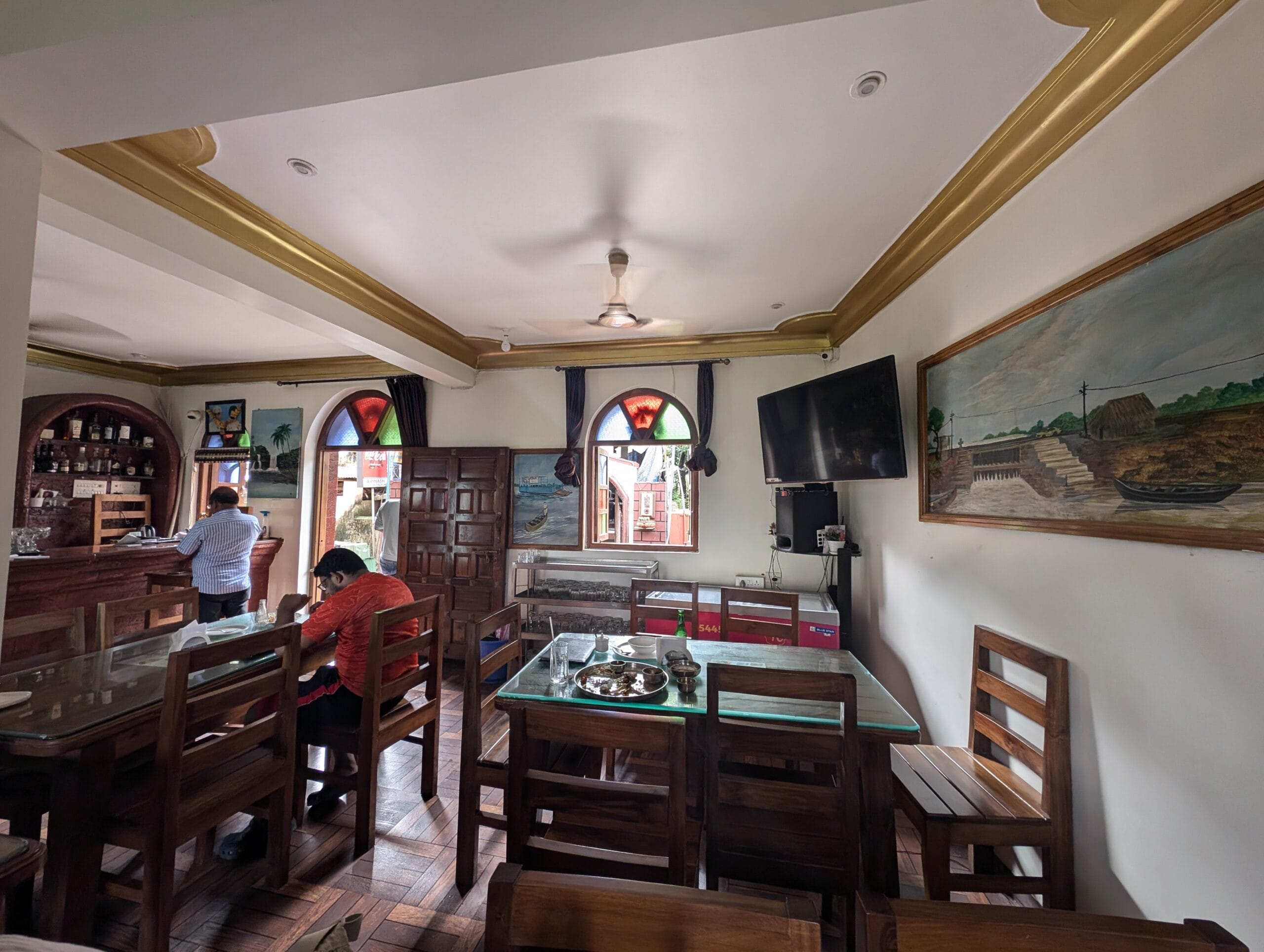
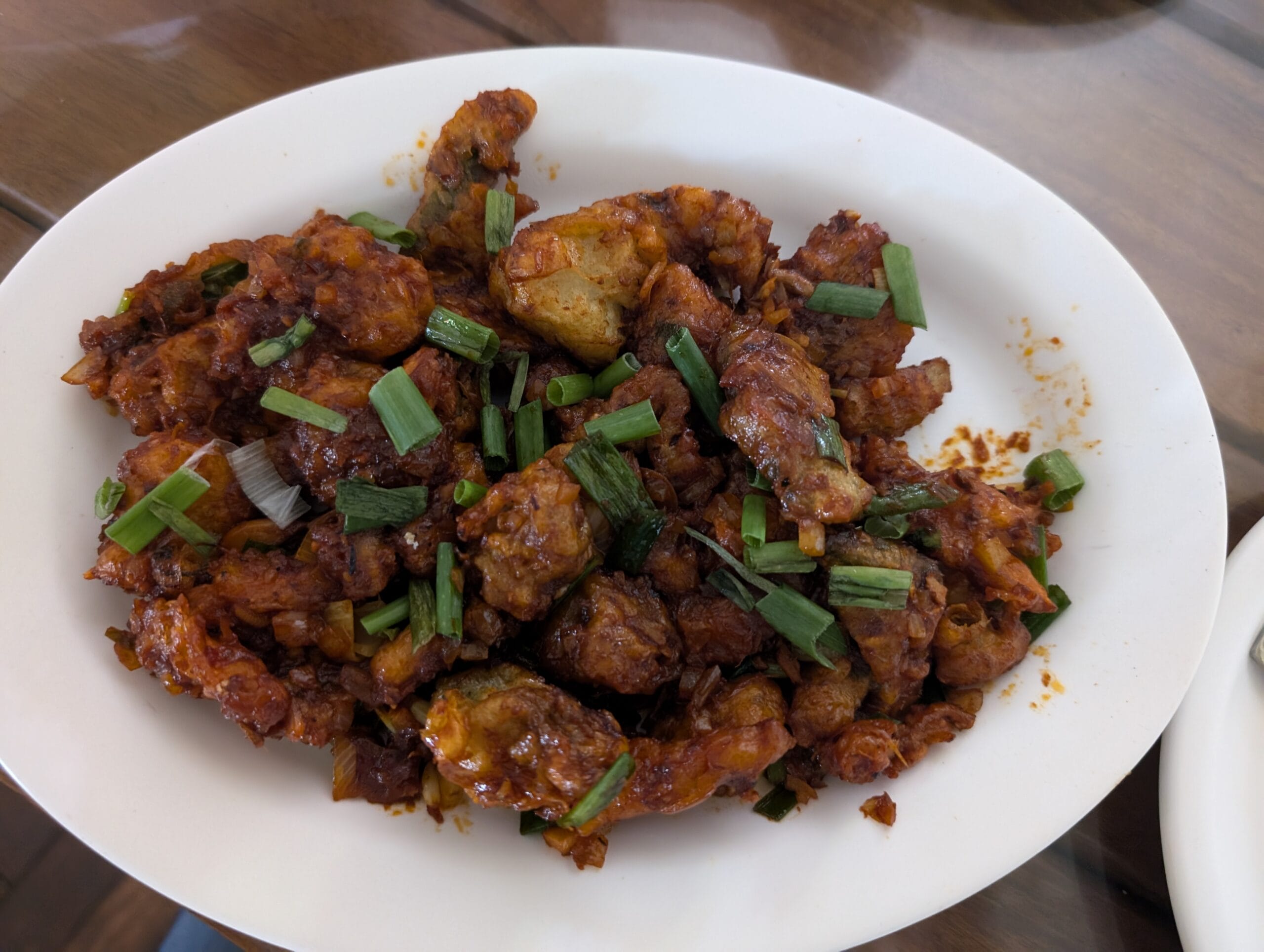
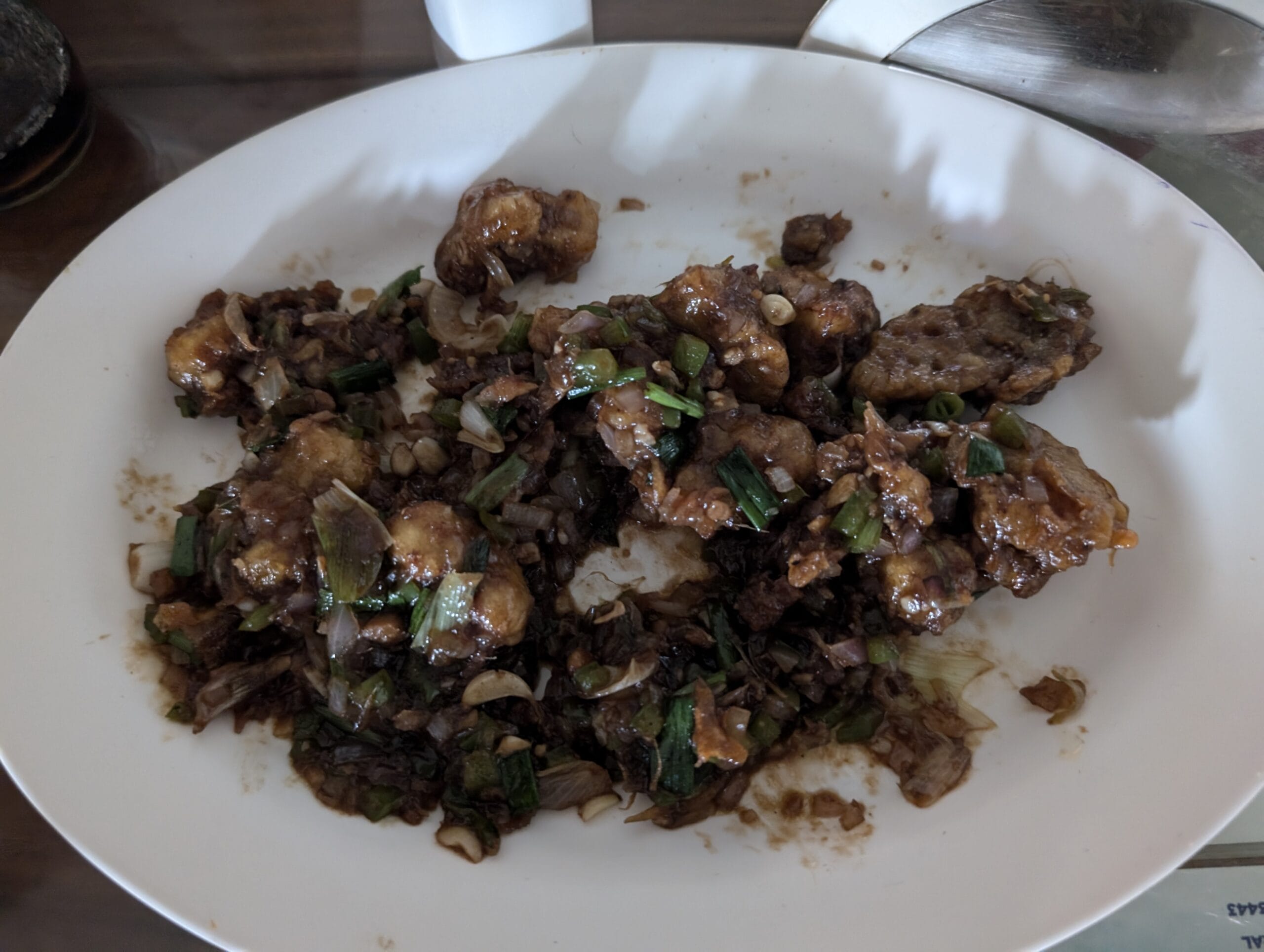
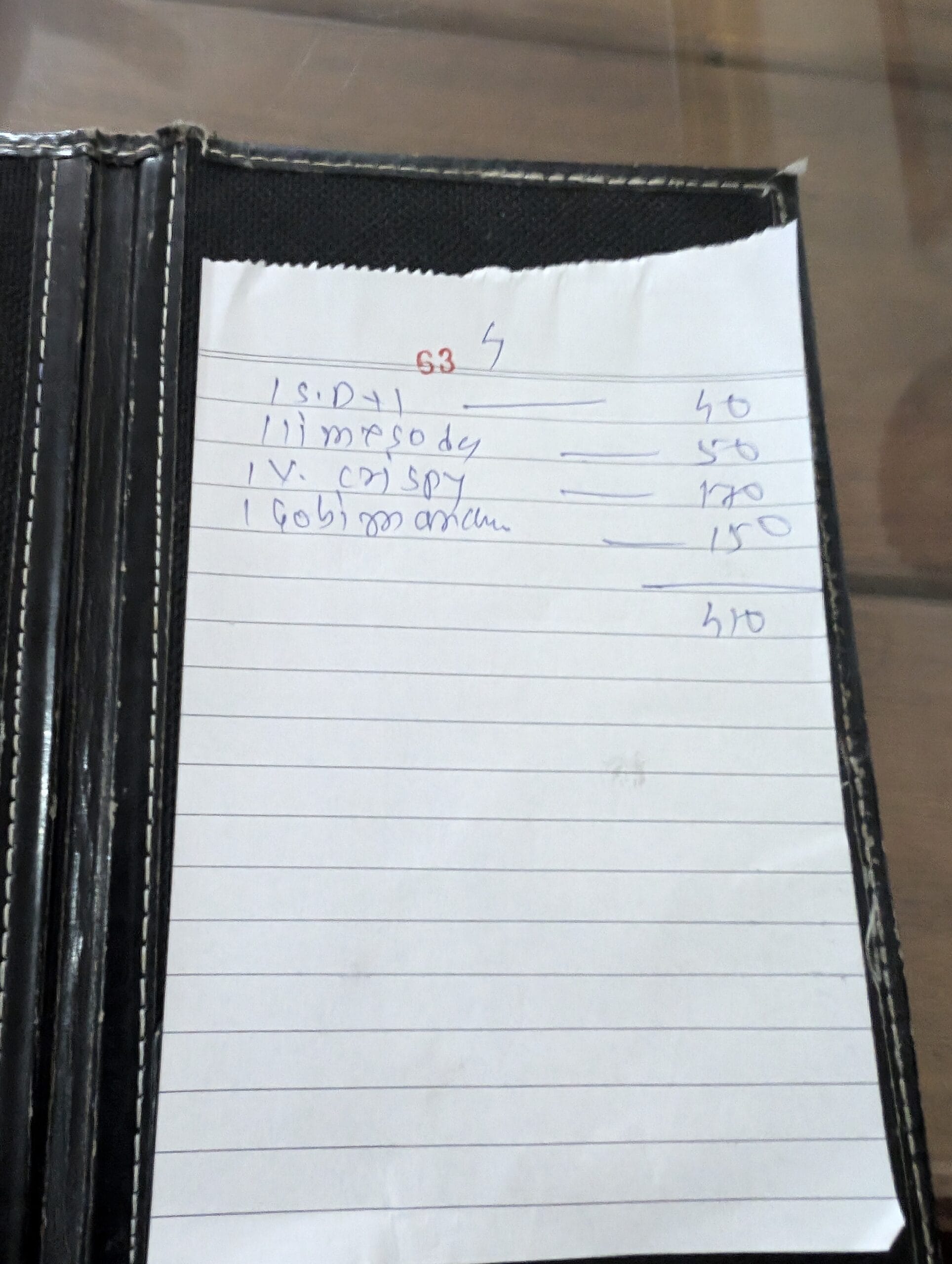
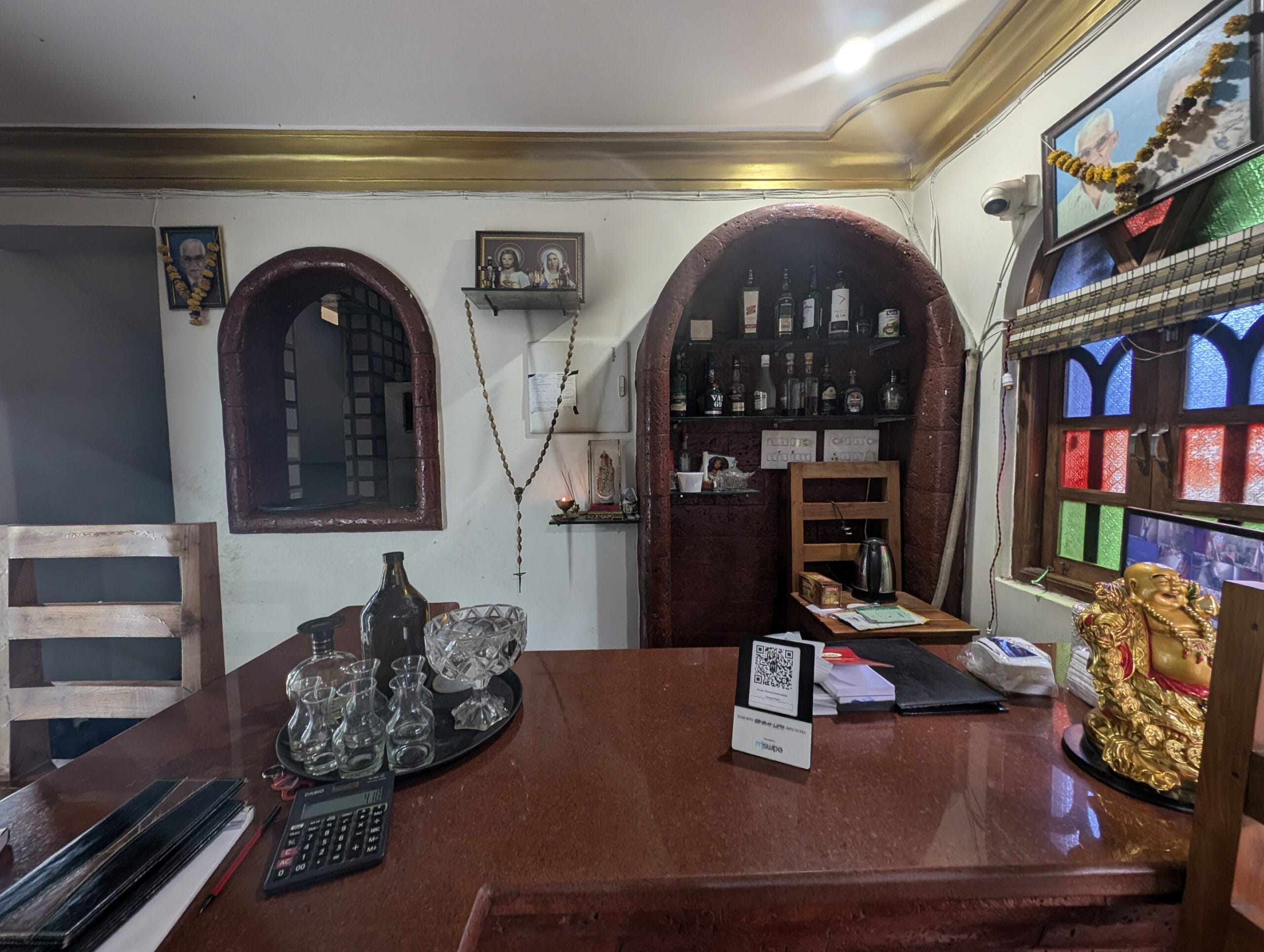
Divar has very few restaurants, which makes Avinash Bar & Kitchen an easy choice when hunger strikes. It is a small, unpretentious place, but the service is quick and friendly, and the food – we ordered a couple of vegetarian snacks and cold drinks – came out fresh, hot and properly tasty. Worth planning your visit around if you want a proper break between the ferry and the church.

Divar is a small, quiet island, so choices are limited and opening hours can change. Call ahead where possible, carry some cash, and allow extra time for food to be cooked fresh.
- Island Bar and Restaurant – A rustic Divar North stop known for Goan bar food and Anil Durbhatkar’s flavoured-feni tastings. Budget roughly ₹500–₹1,000 for two before drinks.
- Bradlee Bar and Restaurant – A family-run, home-style place in Piedade for made-to-order seafood, pork or beef dishes and seasonal urak. Allow about ₹300–₹600 per person.
- PhilCollins Family Restaurant and Bar – Convenient for the Naroa ferry point, with simple Goan dishes, meat, seafood and drinks. Expect approximately ₹800–₹1,000 for two.
5 Places to Visit on Divar Island
Once you have crossed the Mandovi, these five stops give a good sense of Divar’s history, villages and watery landscape.
- Saptakoteshwar Temple ruins – Remains of the old temple site, a reminder of the Hindu settlements that pre-date Portuguese rule.
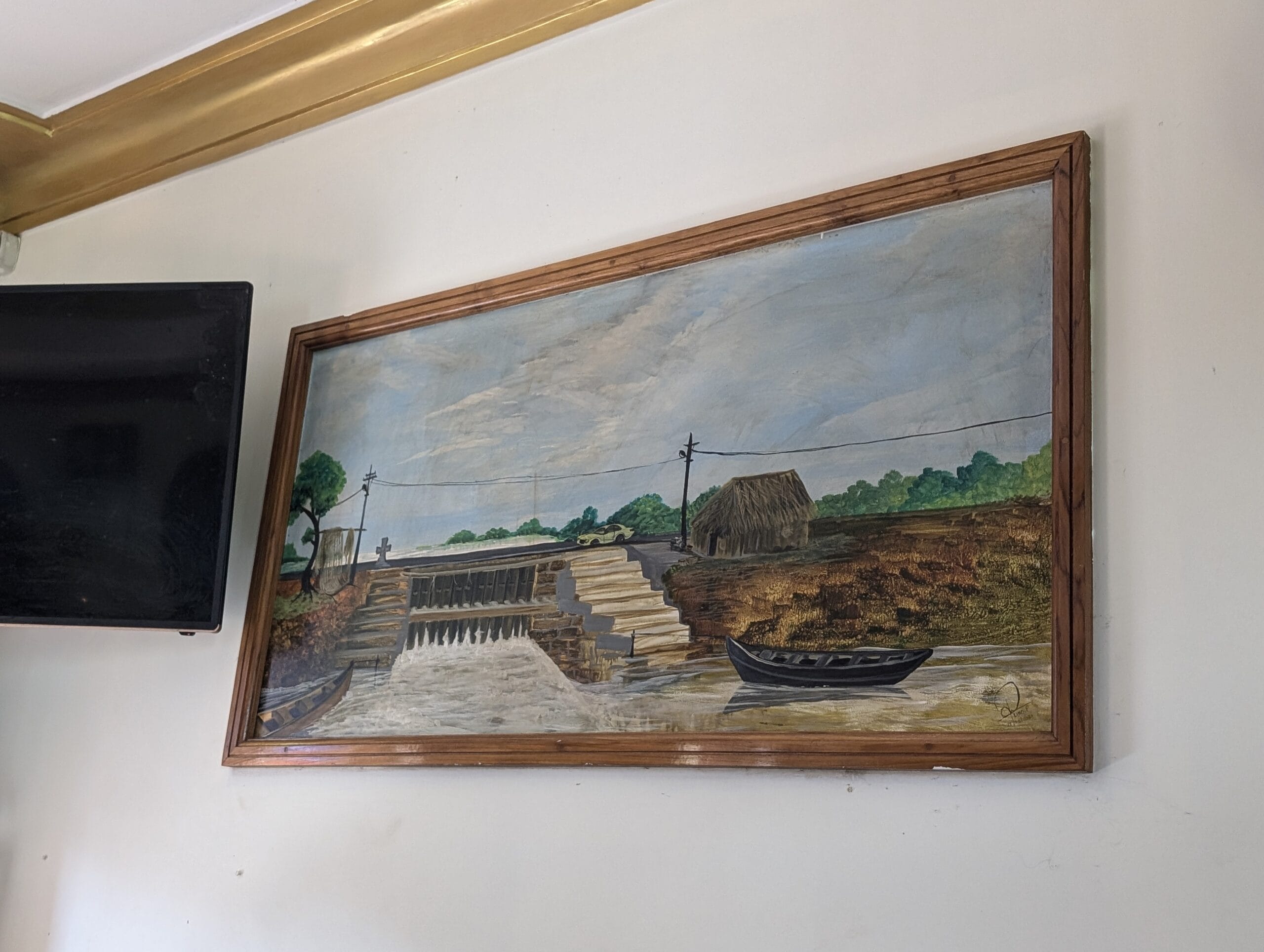
- Divar’s traditional sluice gates – Old tidal gates that helped protect the island’s paddy fields from flooding; one is near the Devaaya retreat.
- Malar (São Matias) village – Ride or walk its quiet lanes and look for the colourful houses, village chapel and the grounds used for the annual Bonderam festival.
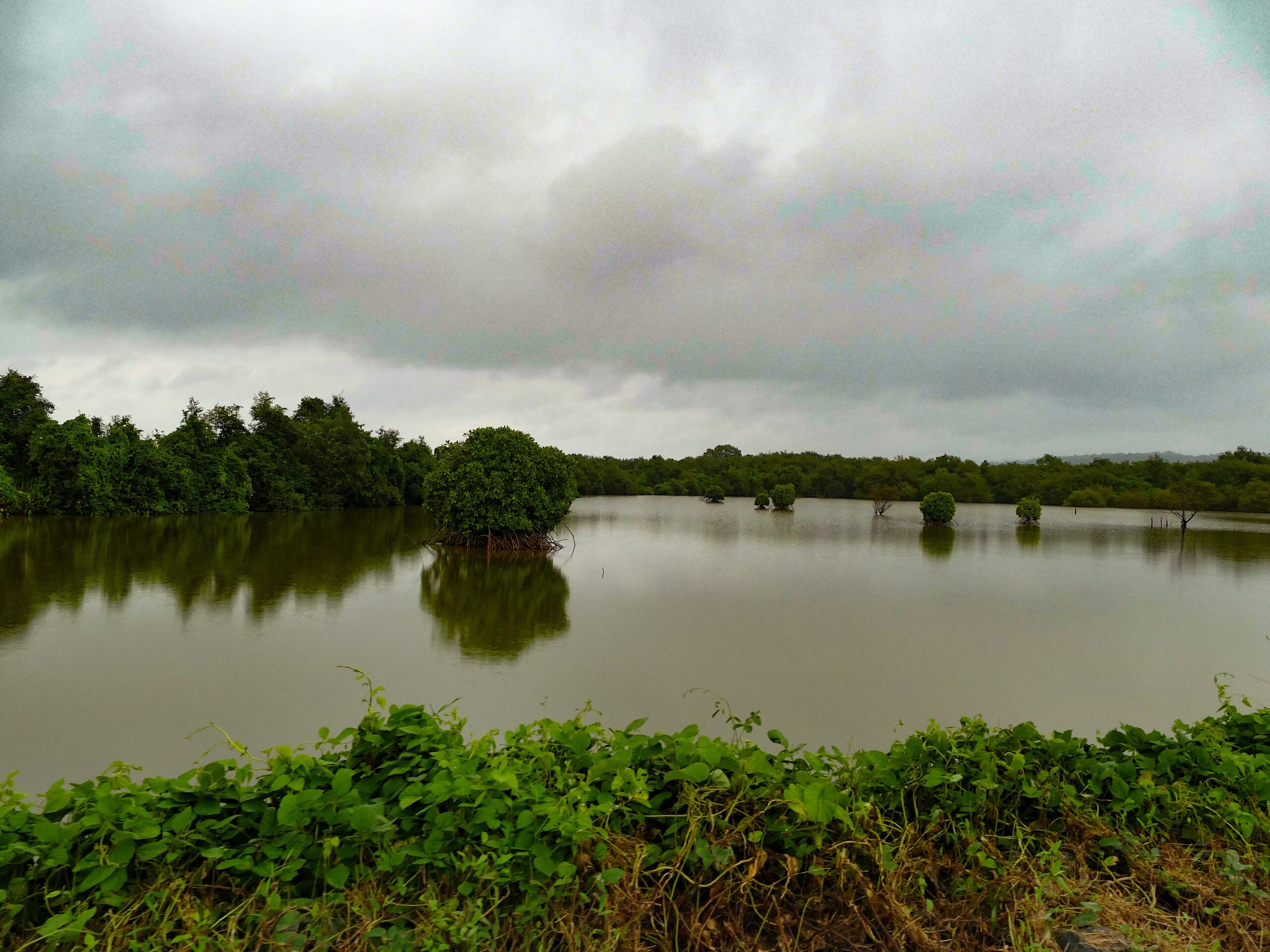
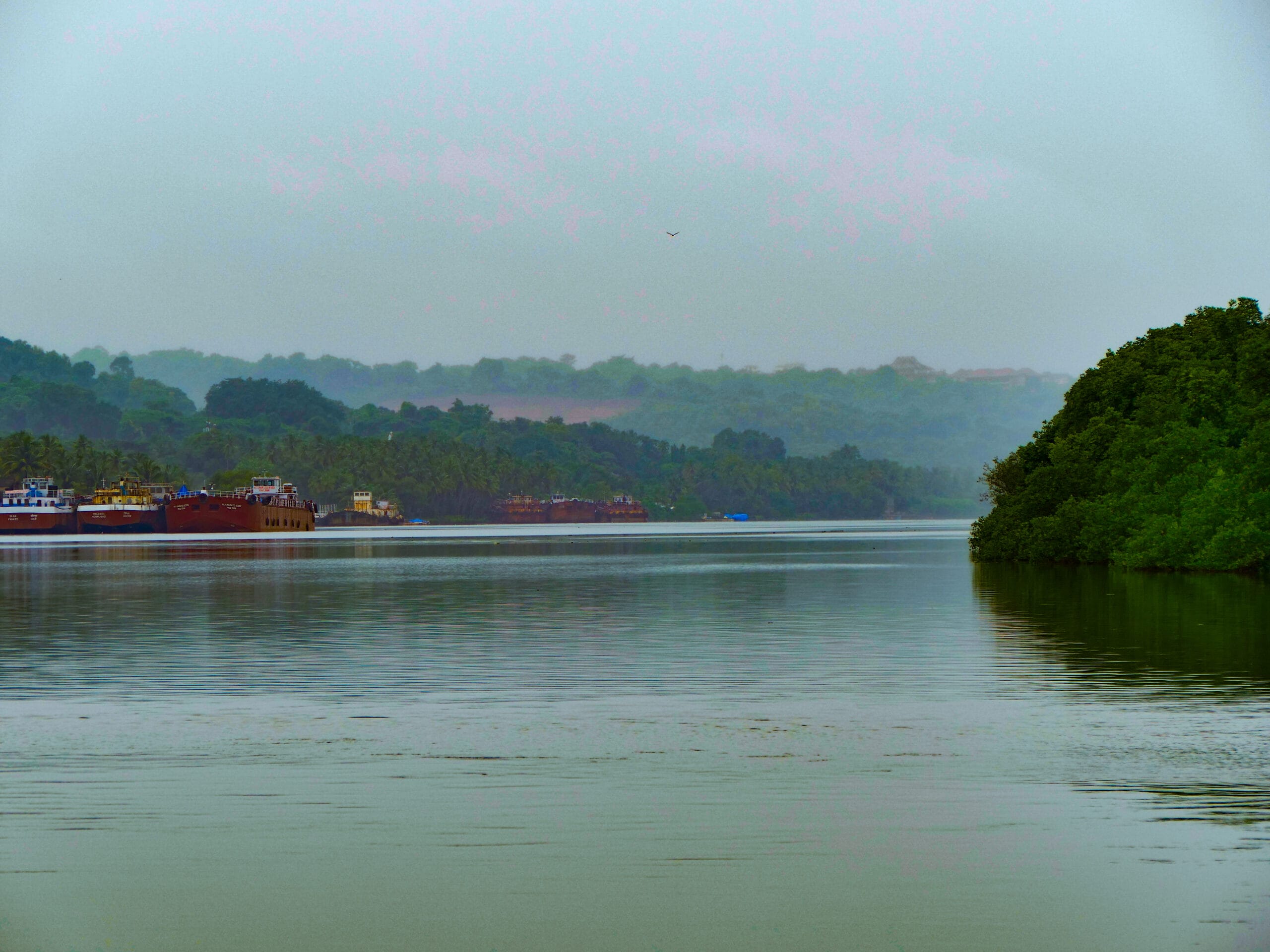
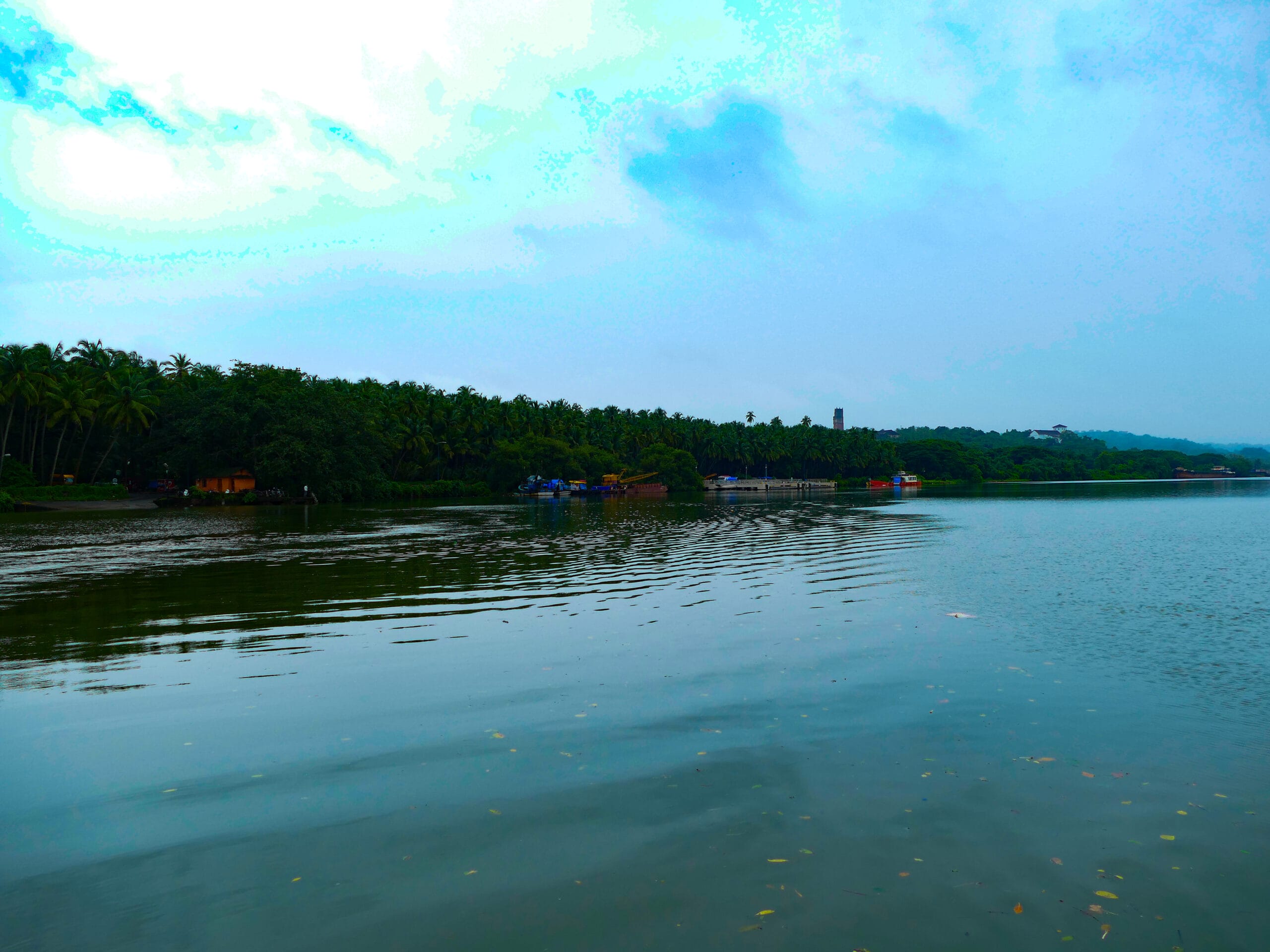
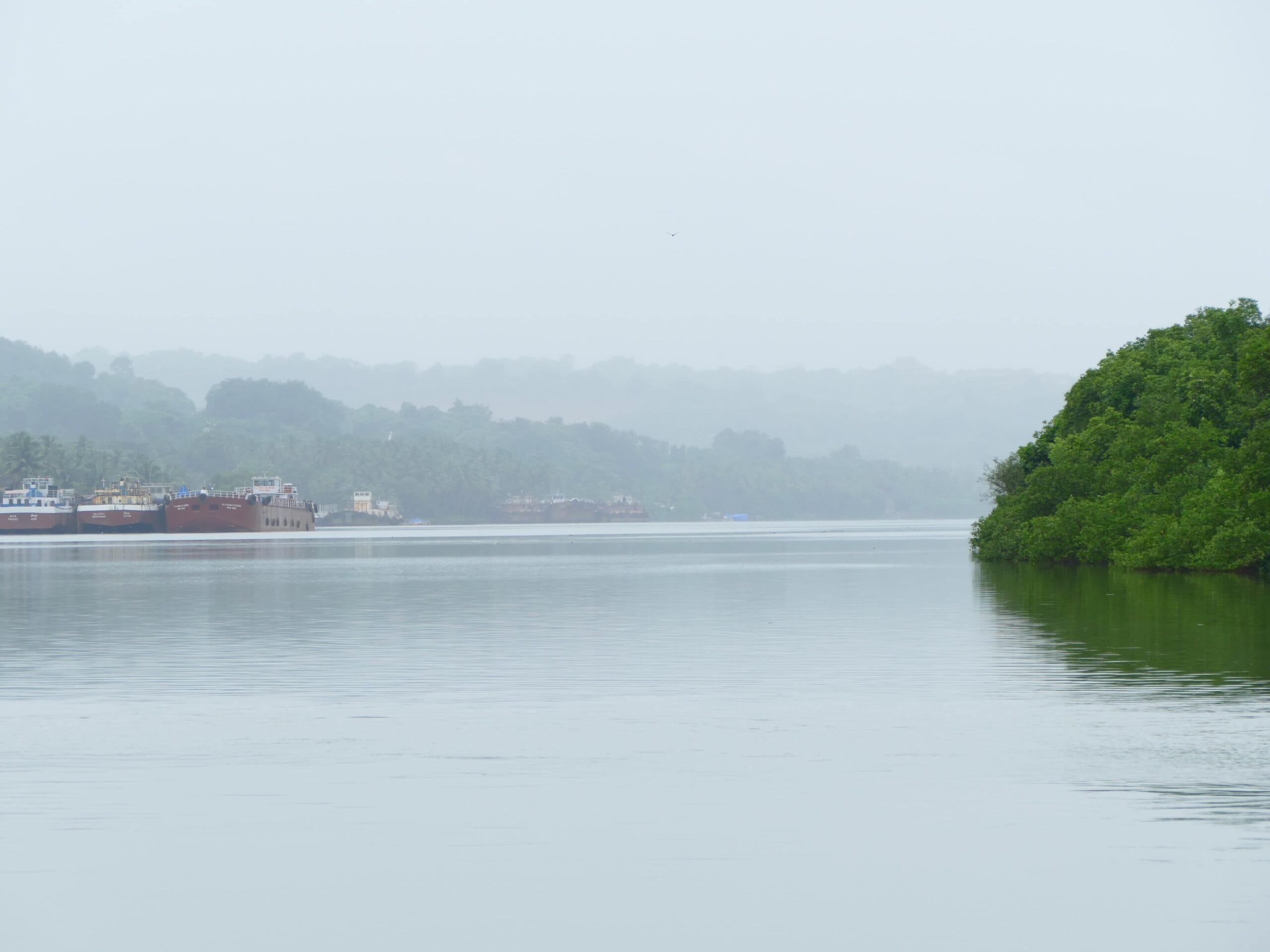
- Naroa ferry point and river edge – The eastern landing is a peaceful place to watch boats, mangroves and changing light over the Mandovi.
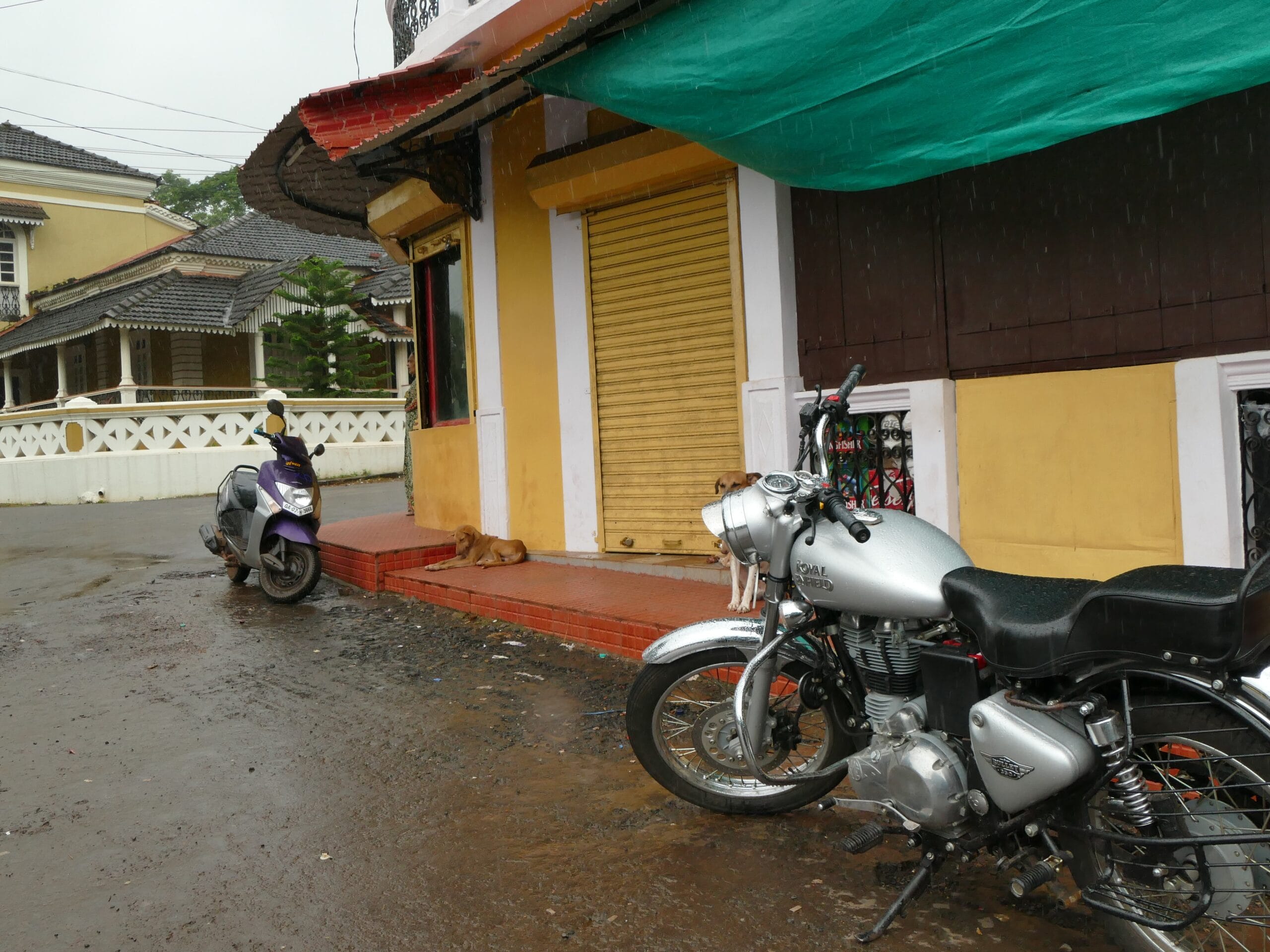
- Piedade village lanes – Take an unhurried loop around the Indo-Portuguese homes, palms and paddy fields around the church rather than rushing straight back to the ferry.
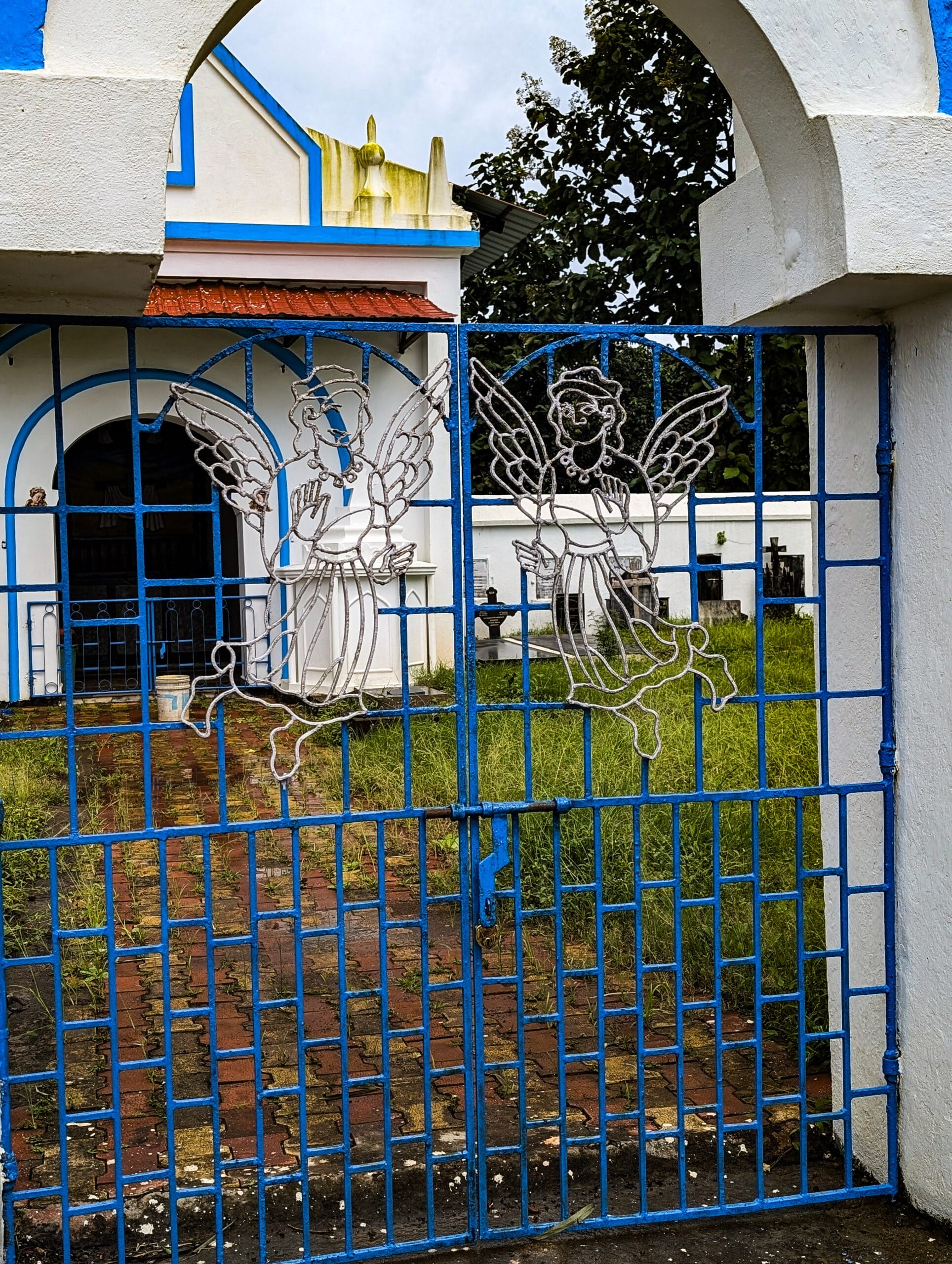
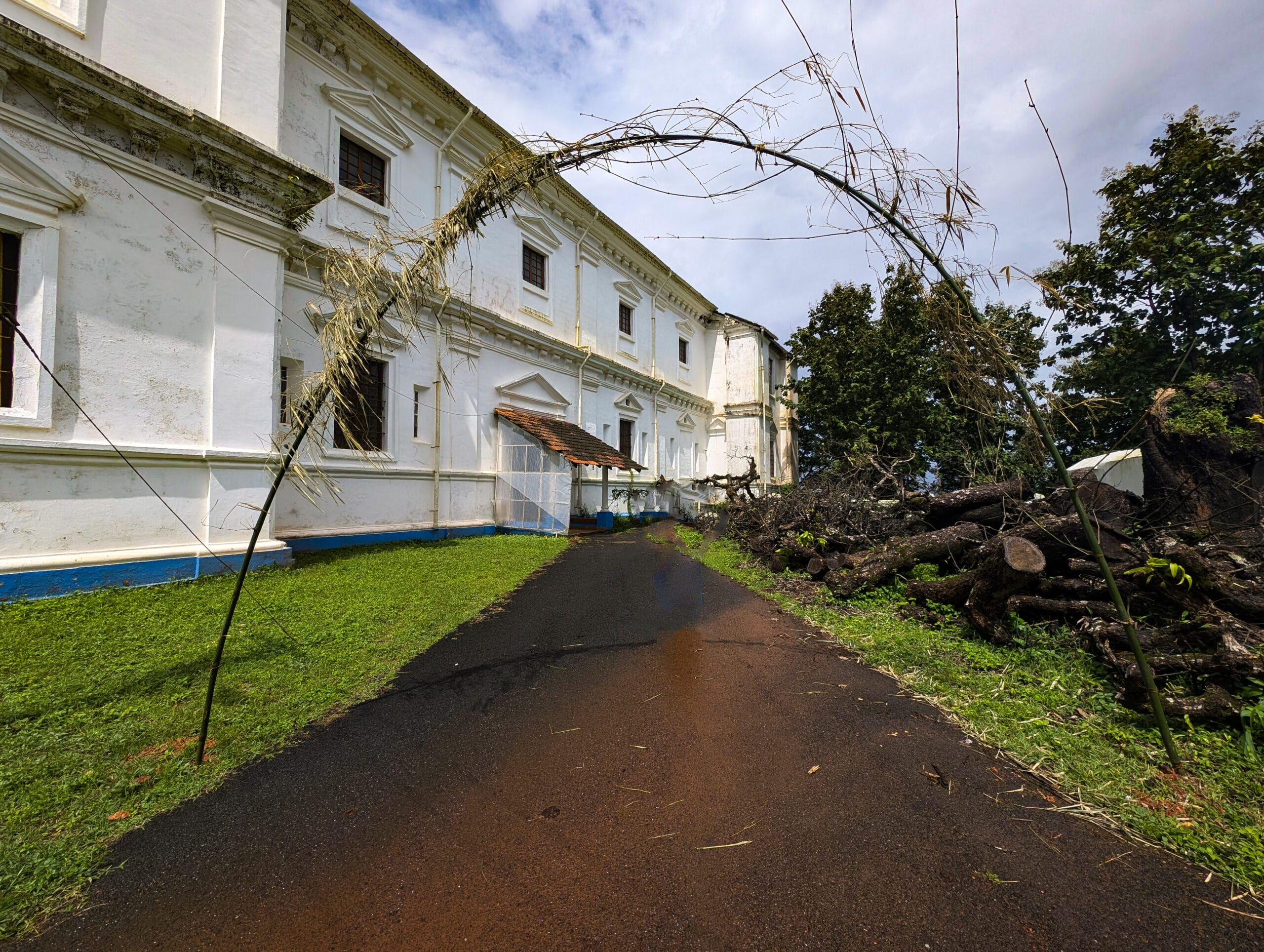
Behind the church is a small cemetery with remnants of Kadamba-era architecture, and a locked chapel converted from an old Hindu shrine – ask the priest and he will usually open it up. The stone carvings inside date to the Kadamba dynasty of the 14th century, one of the few physical traces left of Divar’s pre-Portuguese history.


Good to Know Before You Go
The best time to visit is during the monsoon, from June to September, when the island turns a deep green and the crowds thin out – though the ferries and the church are just as worth seeing in dry weather. There is no real shade once you are off the ferry, so carry water and sun or rain protection depending on the season. Mobile signal is patchy in parts of Piedade, so it helps to have your ferry timings noted down rather than relying on a live search. Most people manage Divar comfortably in half a day, including the ferry crossing, the church and a meal.
Planning Your Visit
Divar Island, Goa is best paired with a visit to Old Goa or Panjim rather than treated as a destination on its own. Check the day’s ferry schedule before setting out, allow time for the crossing, and avoid cramming it into a tight itinerary – the whole point of Divar is to slow down. The state-run ferries are operated by the Goa River Navigation Department, and schedules can shift slightly with the tides, so it’s worth checking on the day. For a wider first-time overview of North versus South Goa, where to stay and a realistic itinerary, see my Goa Travel Guide.
More Photos from Divar Island
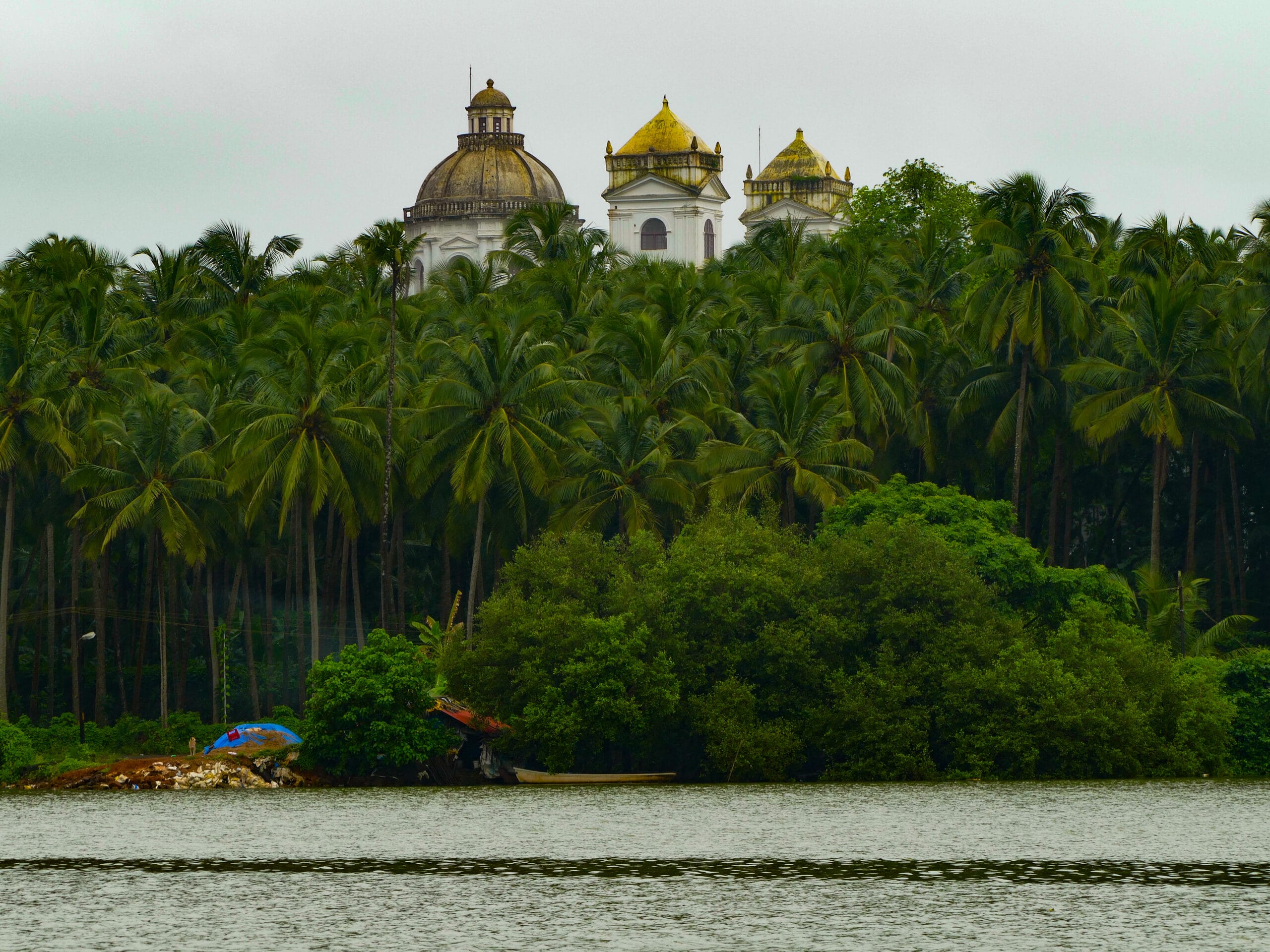
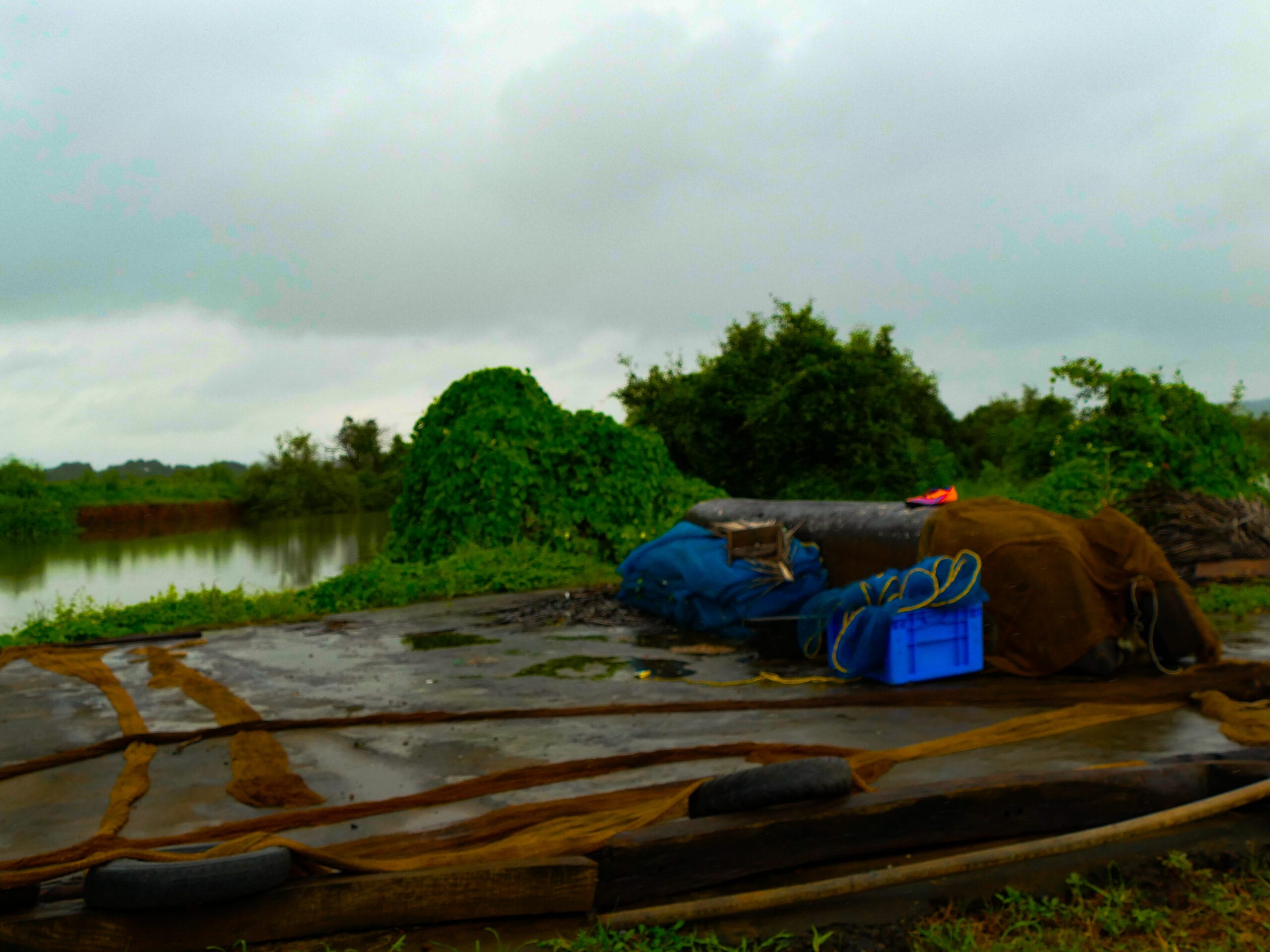
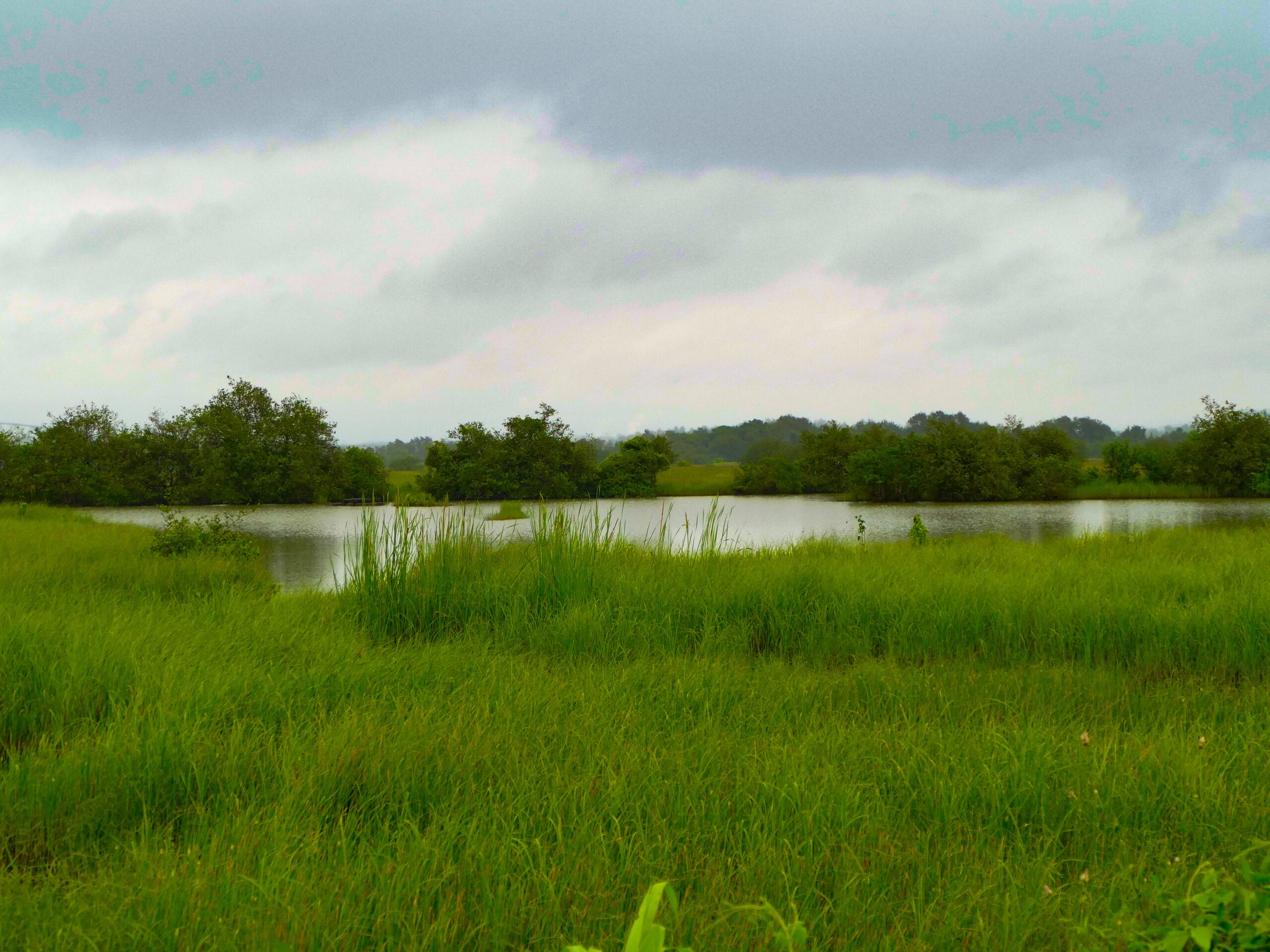
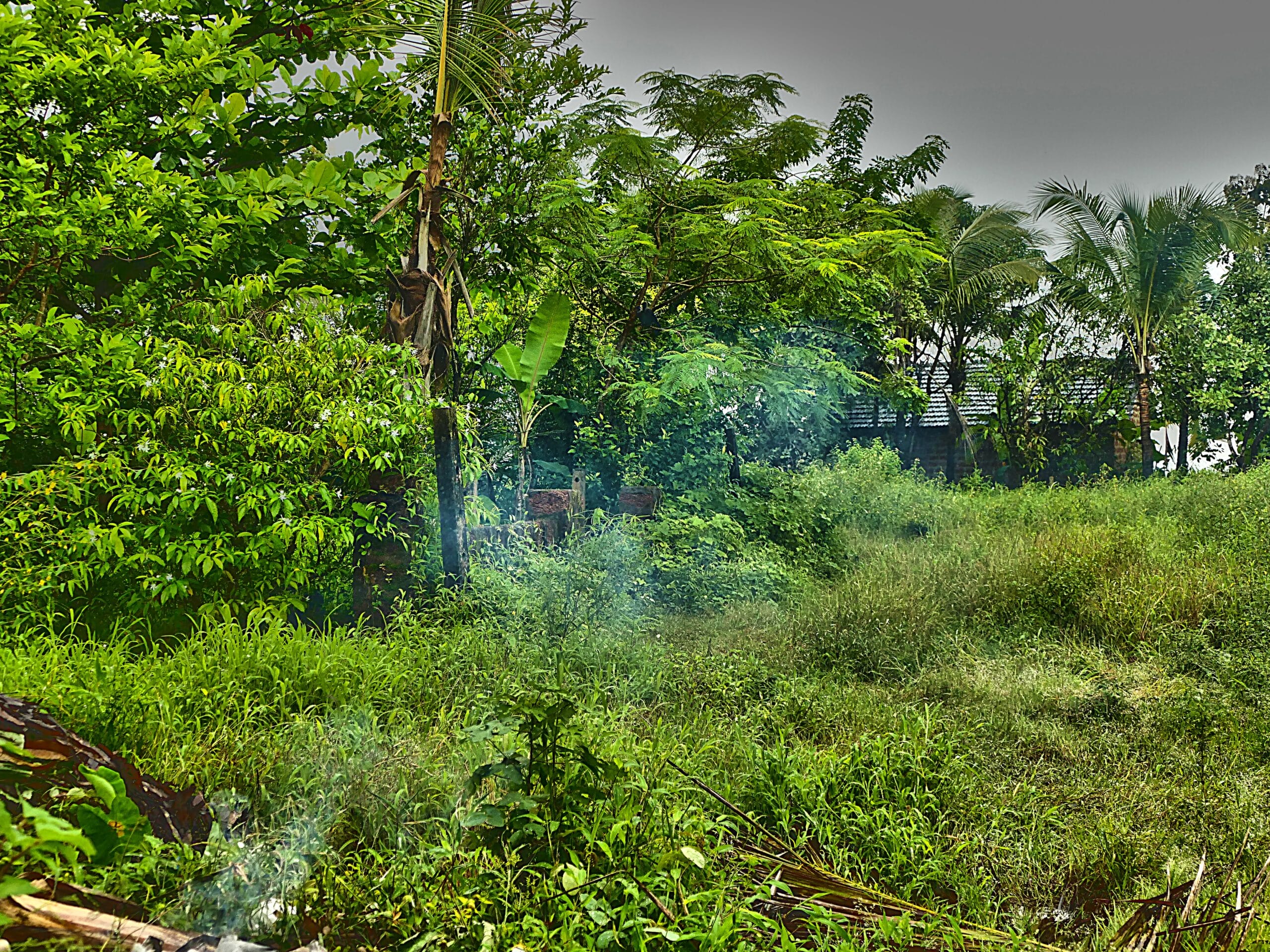
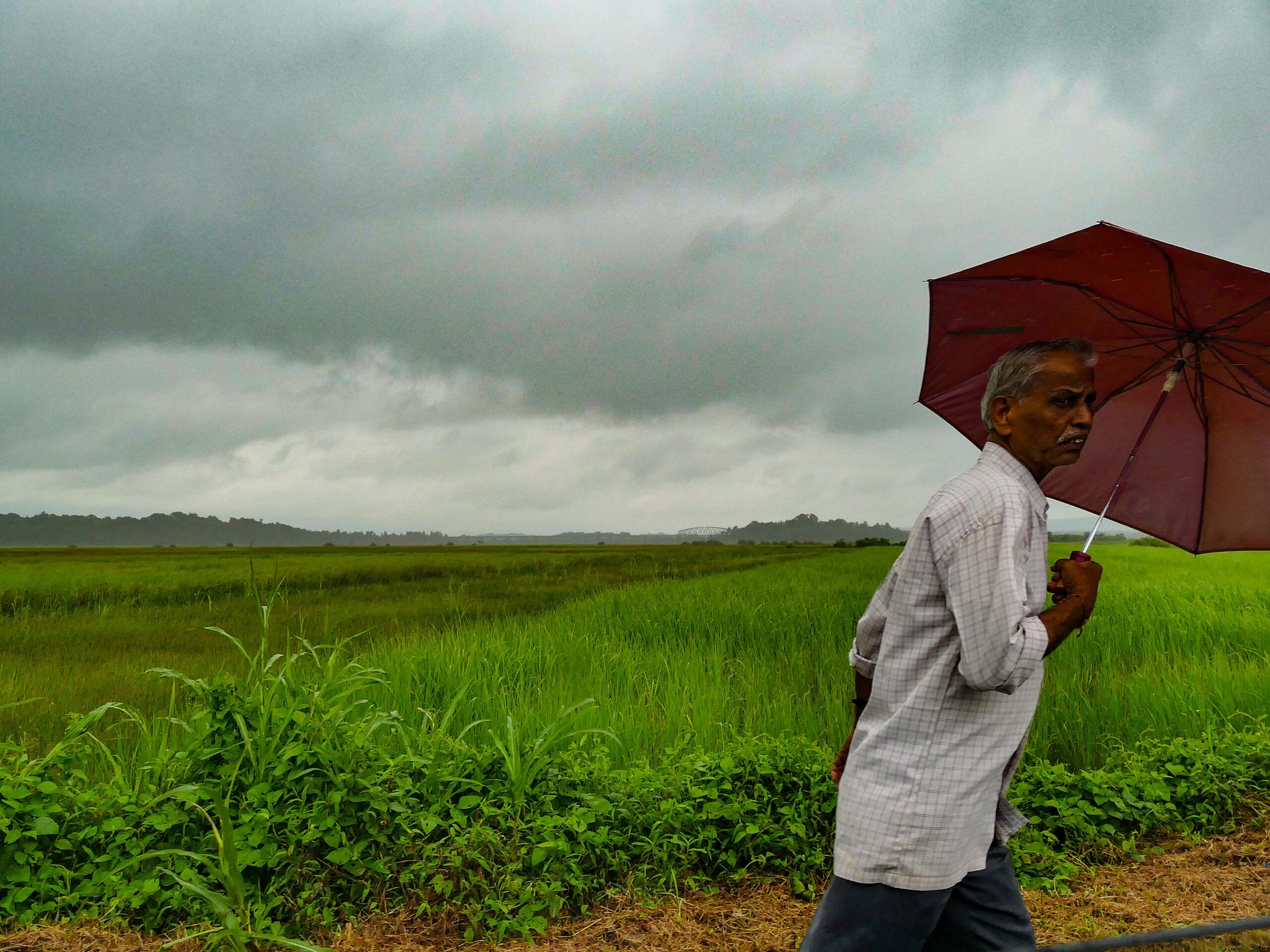
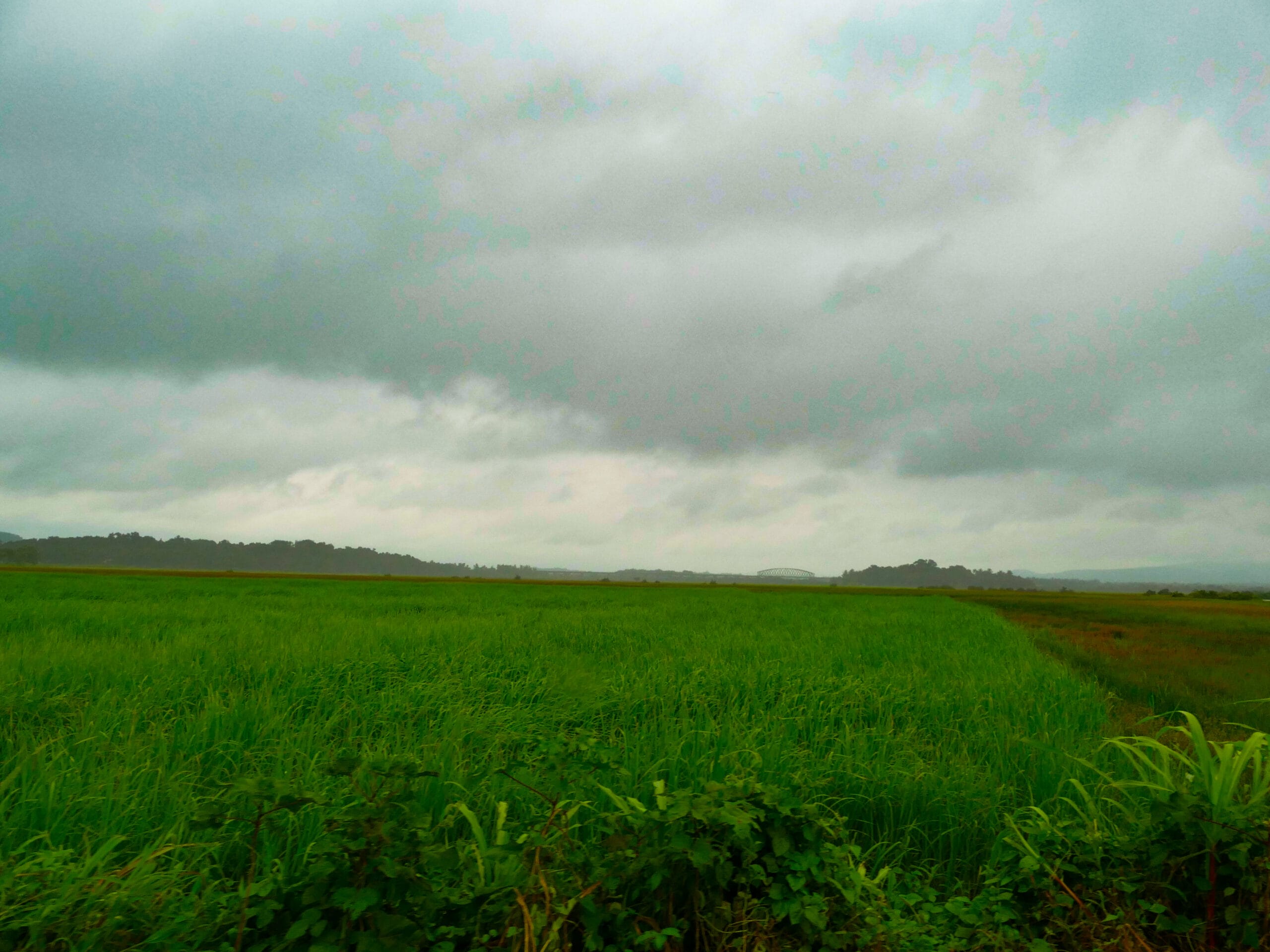
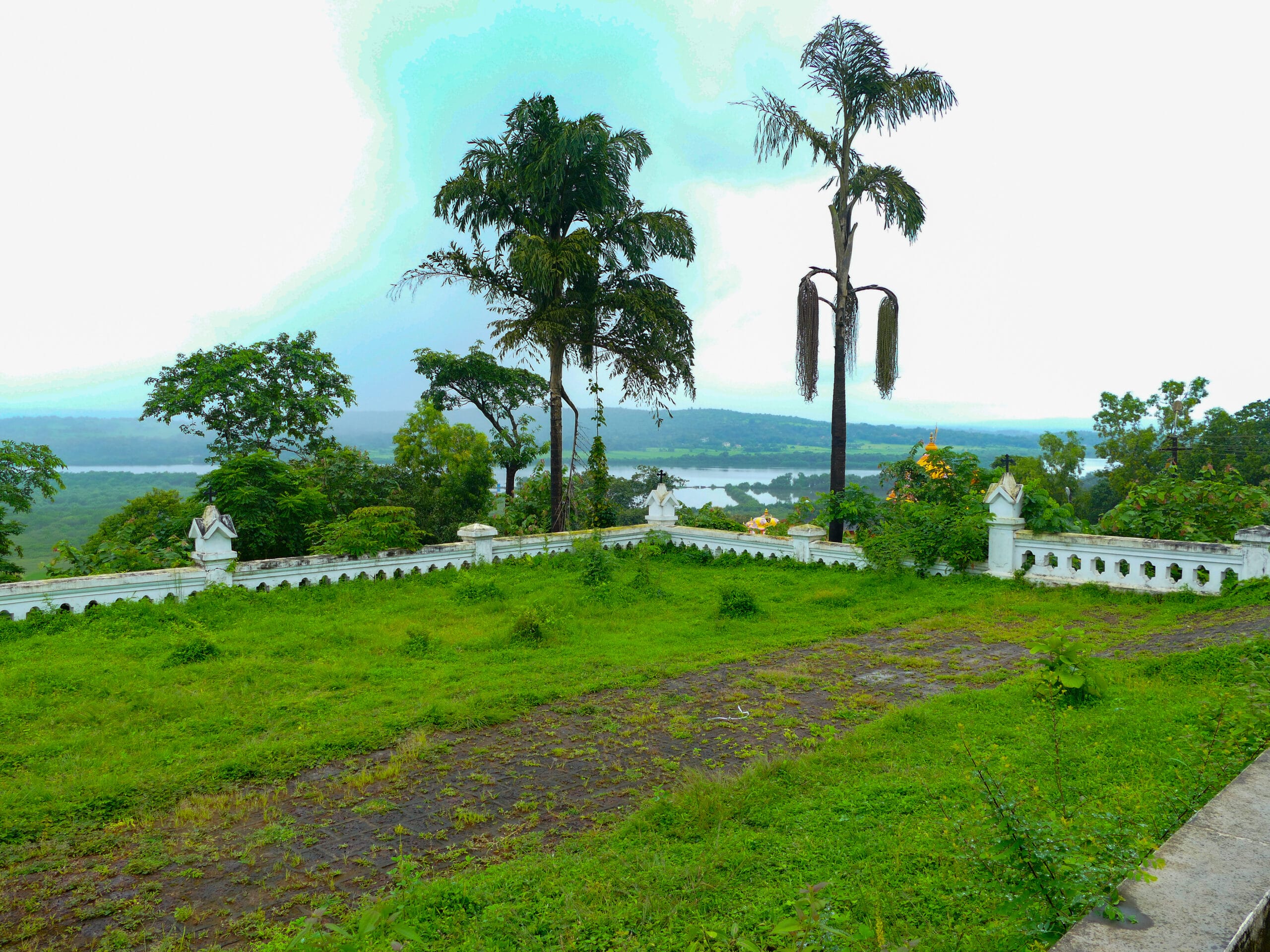
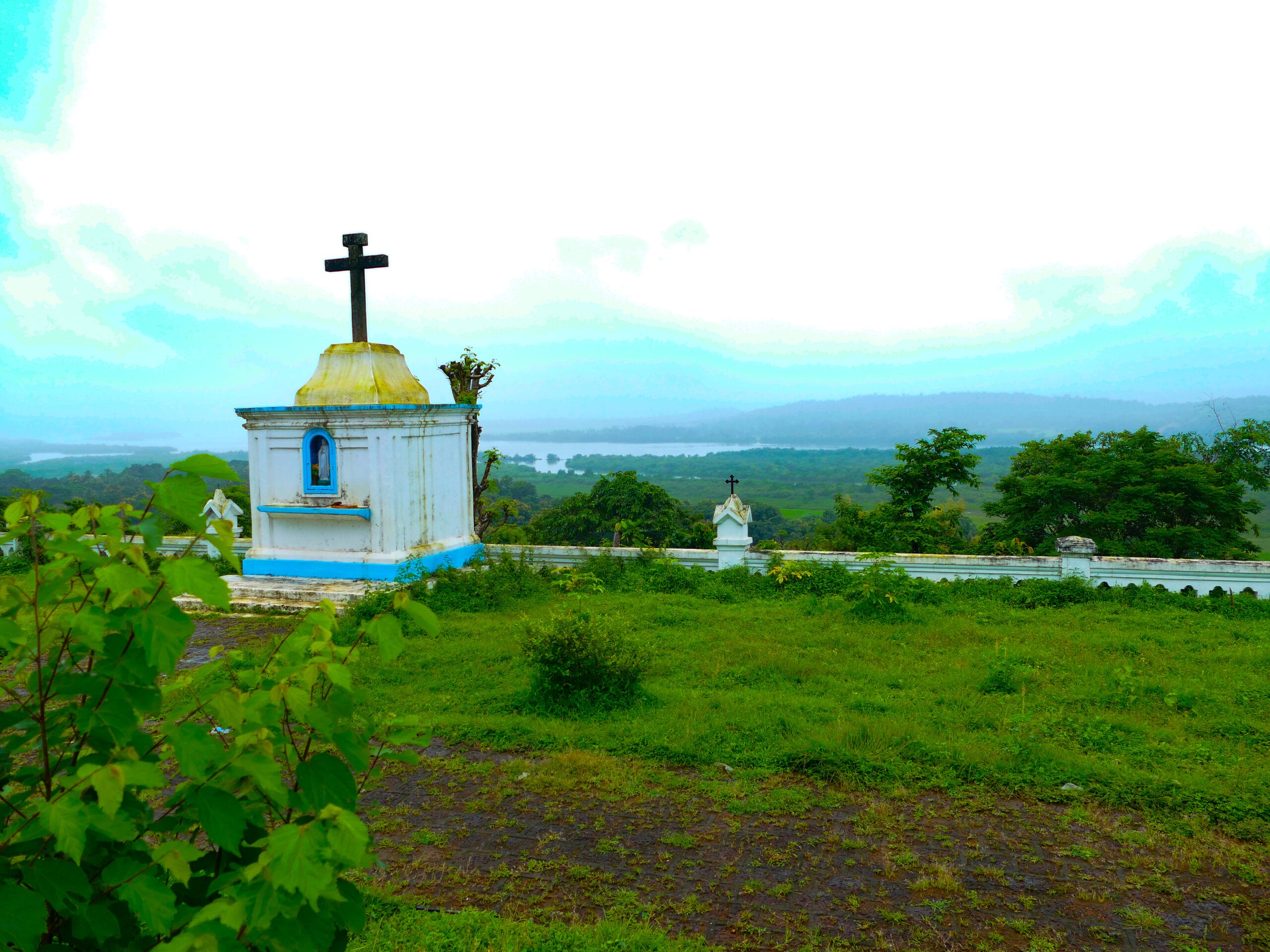
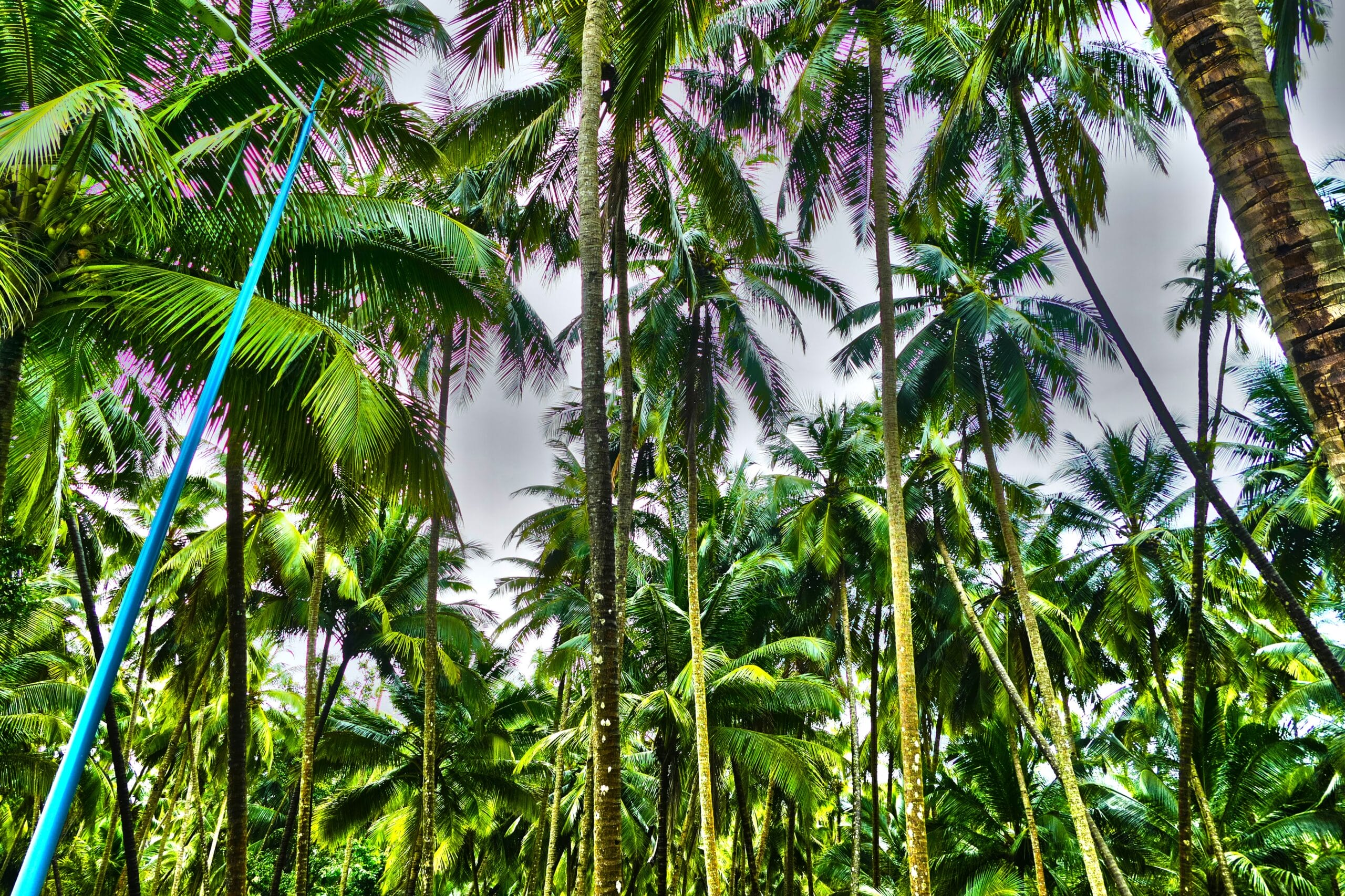
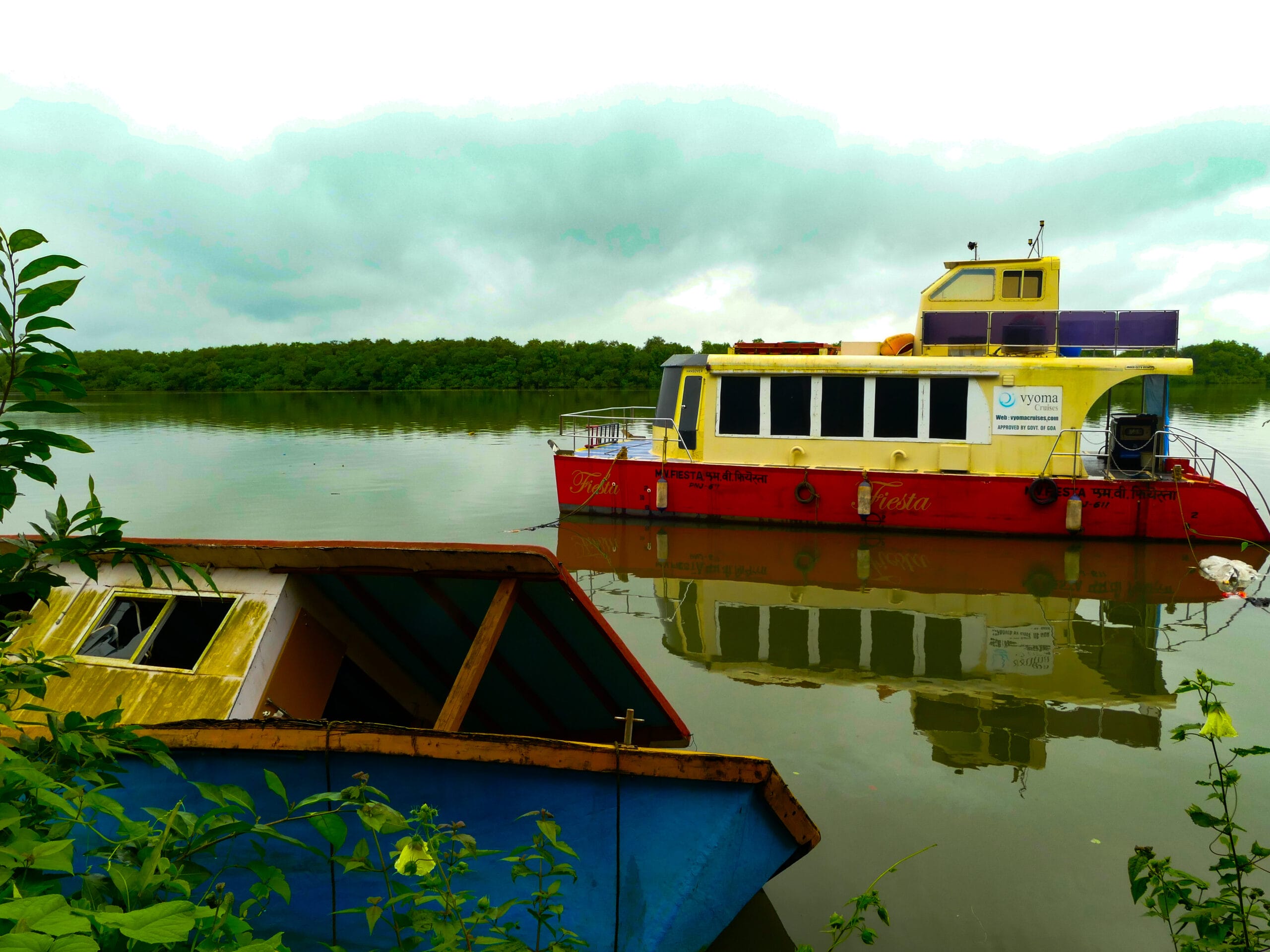
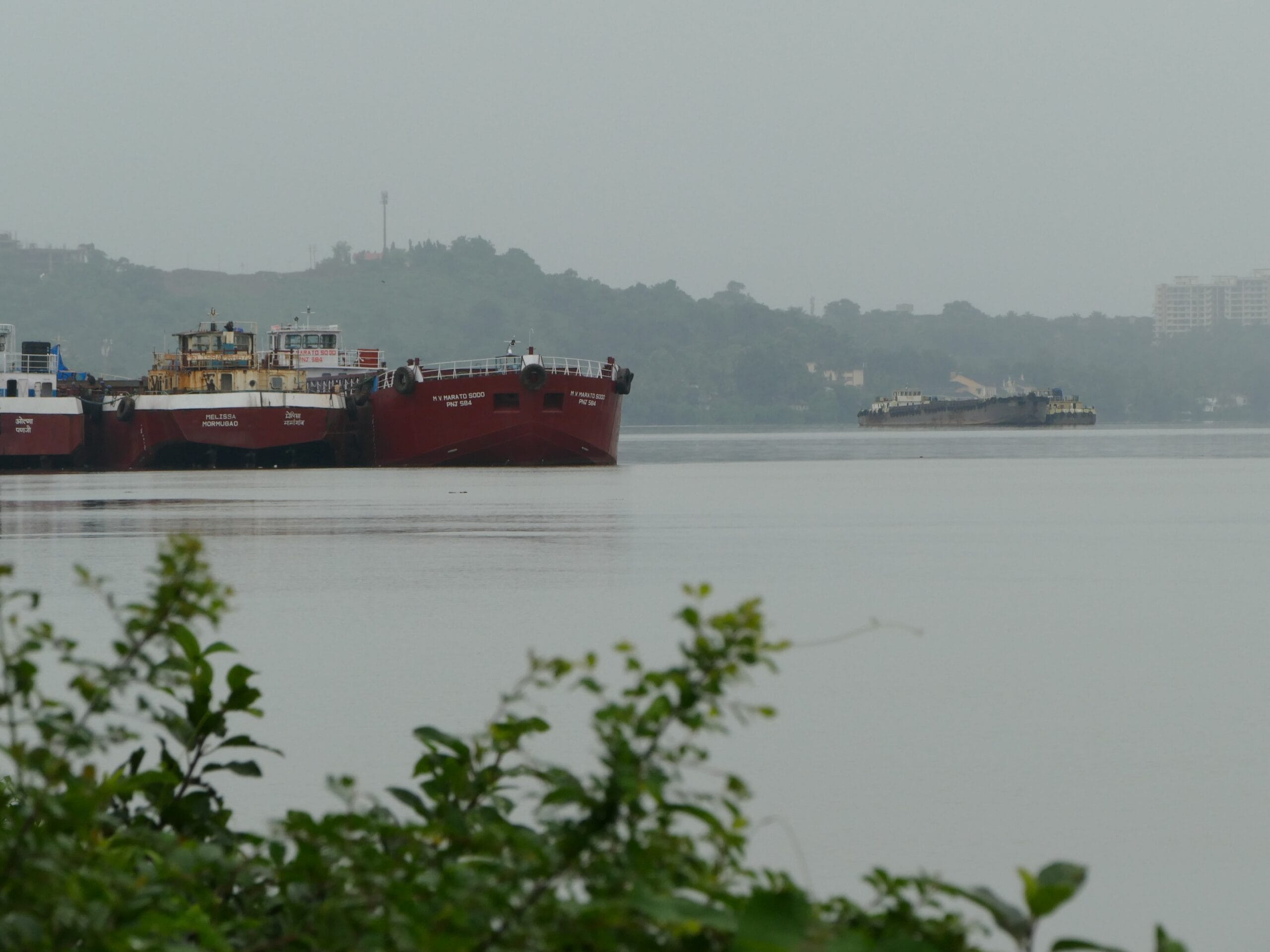
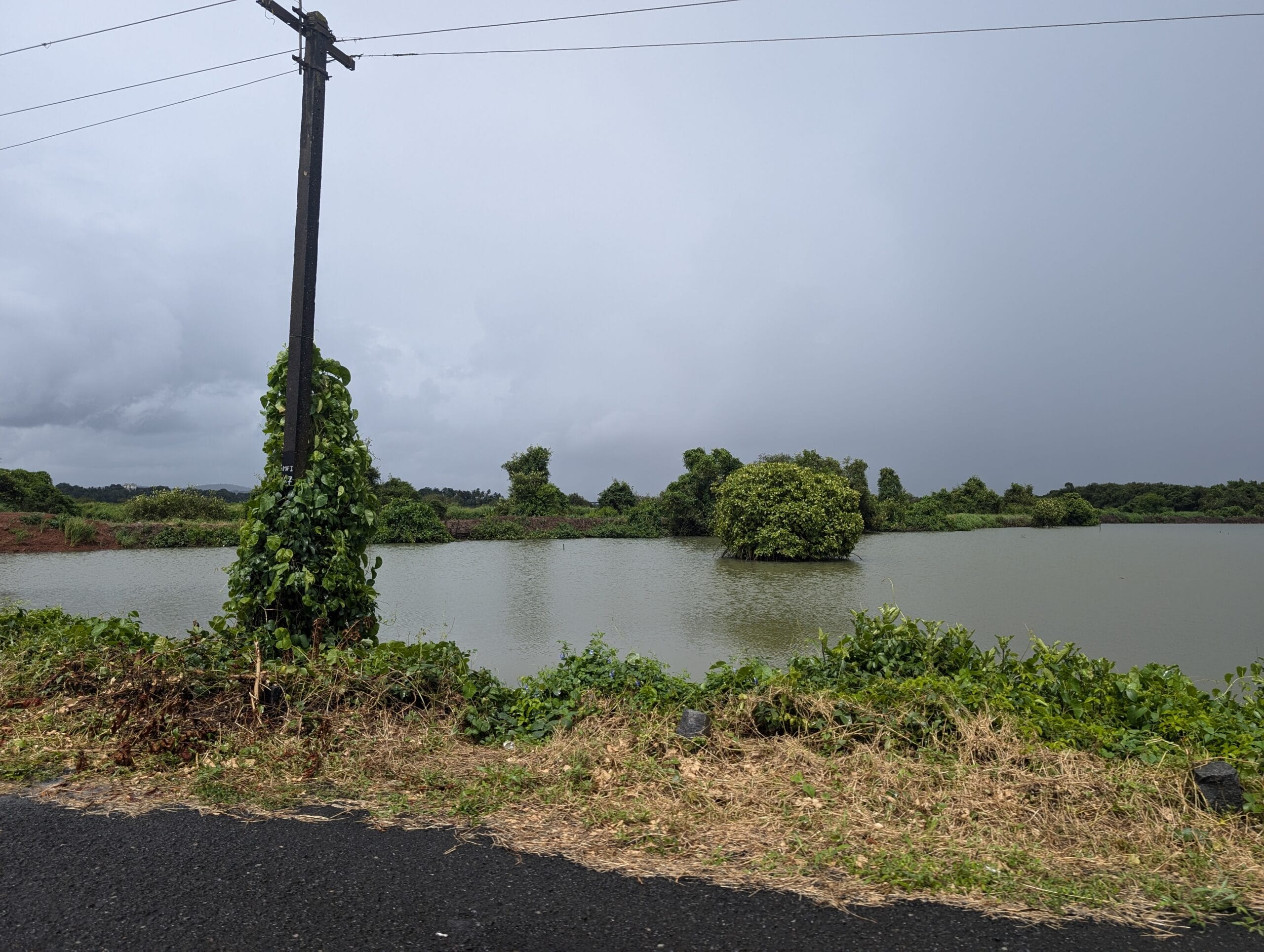
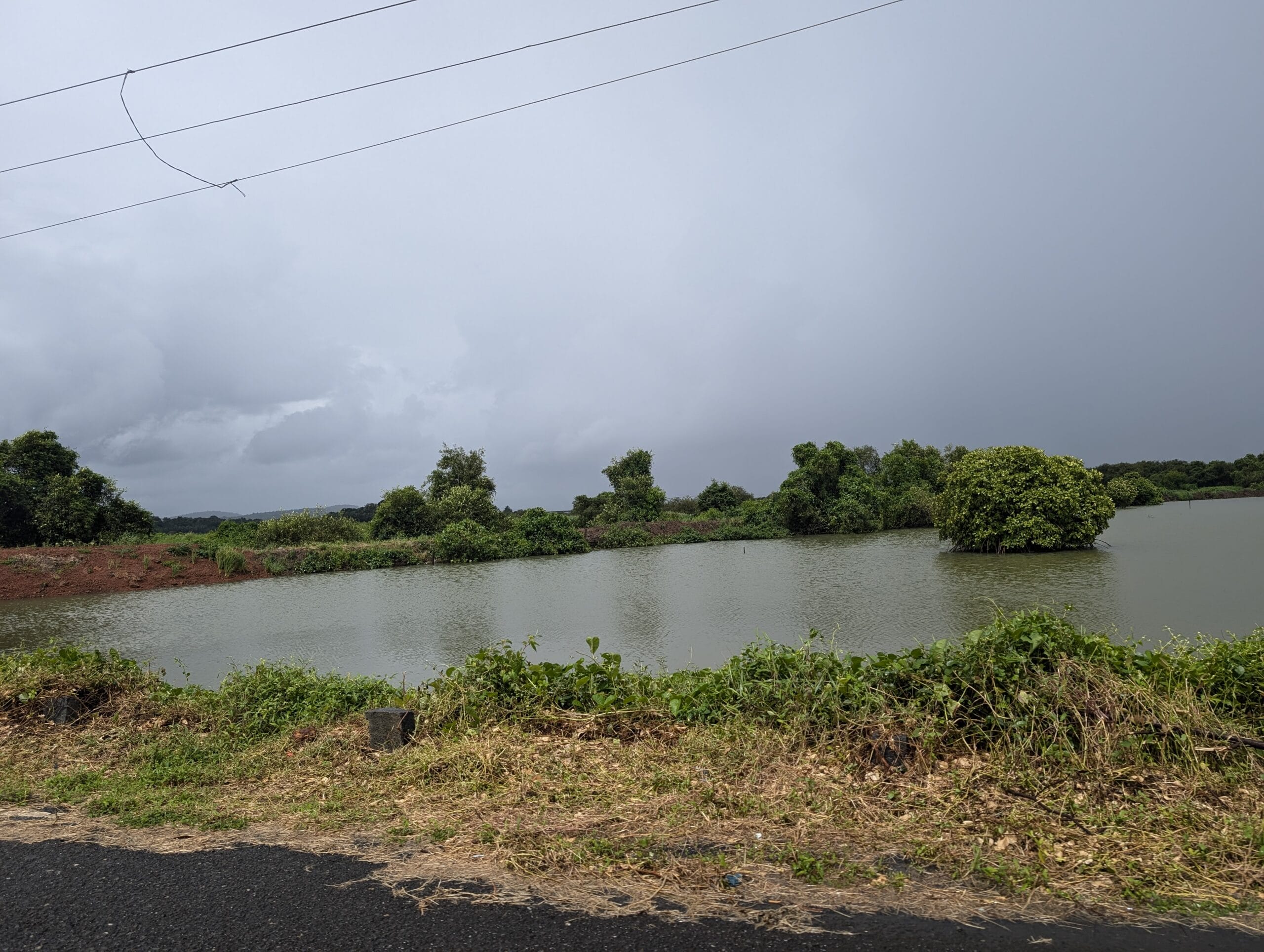
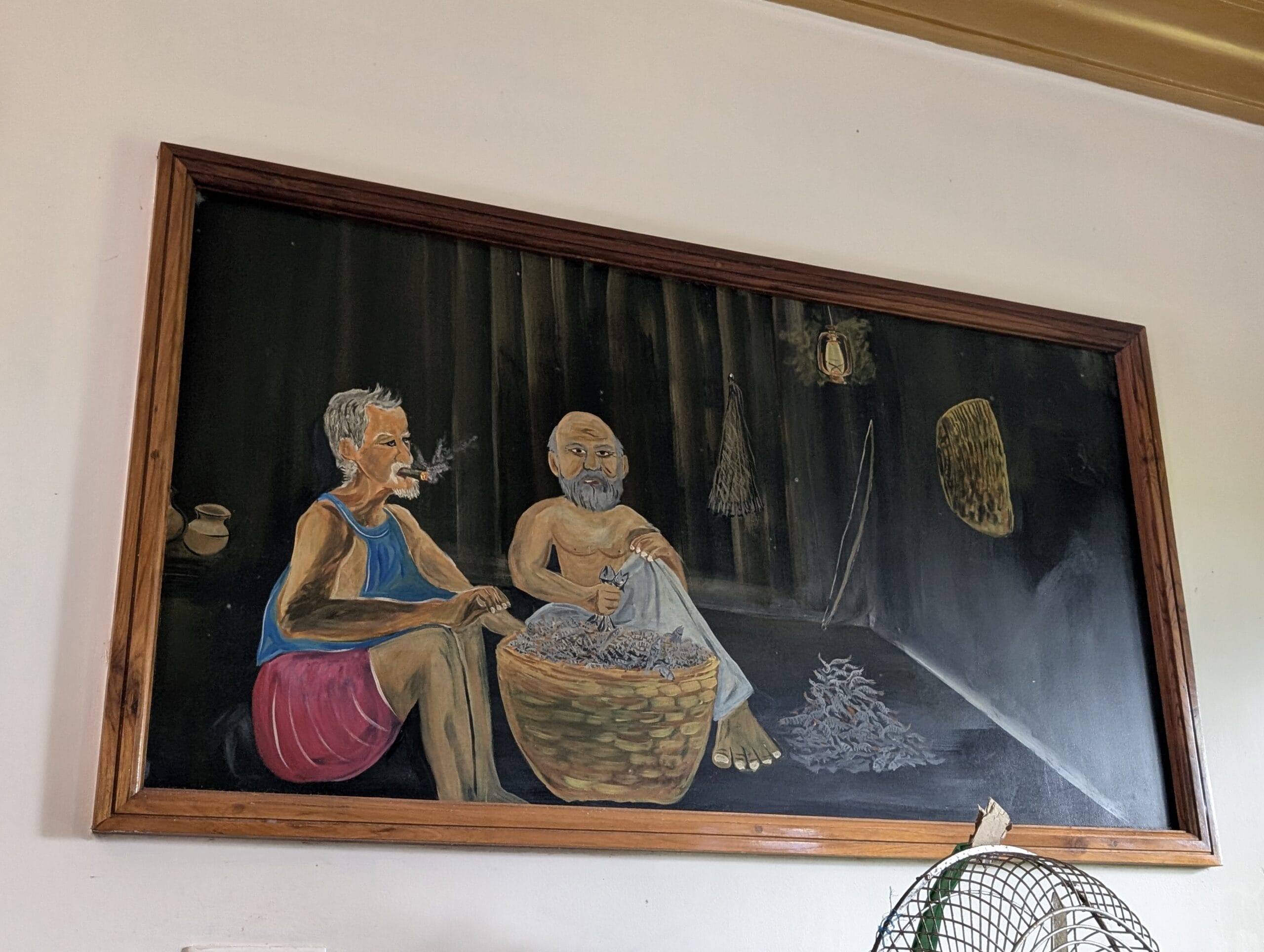
A few more shots from around the island.