Last Updated on September 26, 2026 by Sleepless
Updated September 2026: Scroll to the end for 2026 opening days and hours for Portobello Road and Camden, nearest Tube stations, typical costs, and Indian food nearby.
Portobello Road Market in Notting Hill and Camden Market show two very different sides of London: one is famous for antiques, colourful streets and Saturday browsing; the other for alternative fashion, canal-side energy and street food. This photo guide shares what I saw at both markets, along with a few practical tips for planning your visit.
Notting Hill Market on Portobello Road
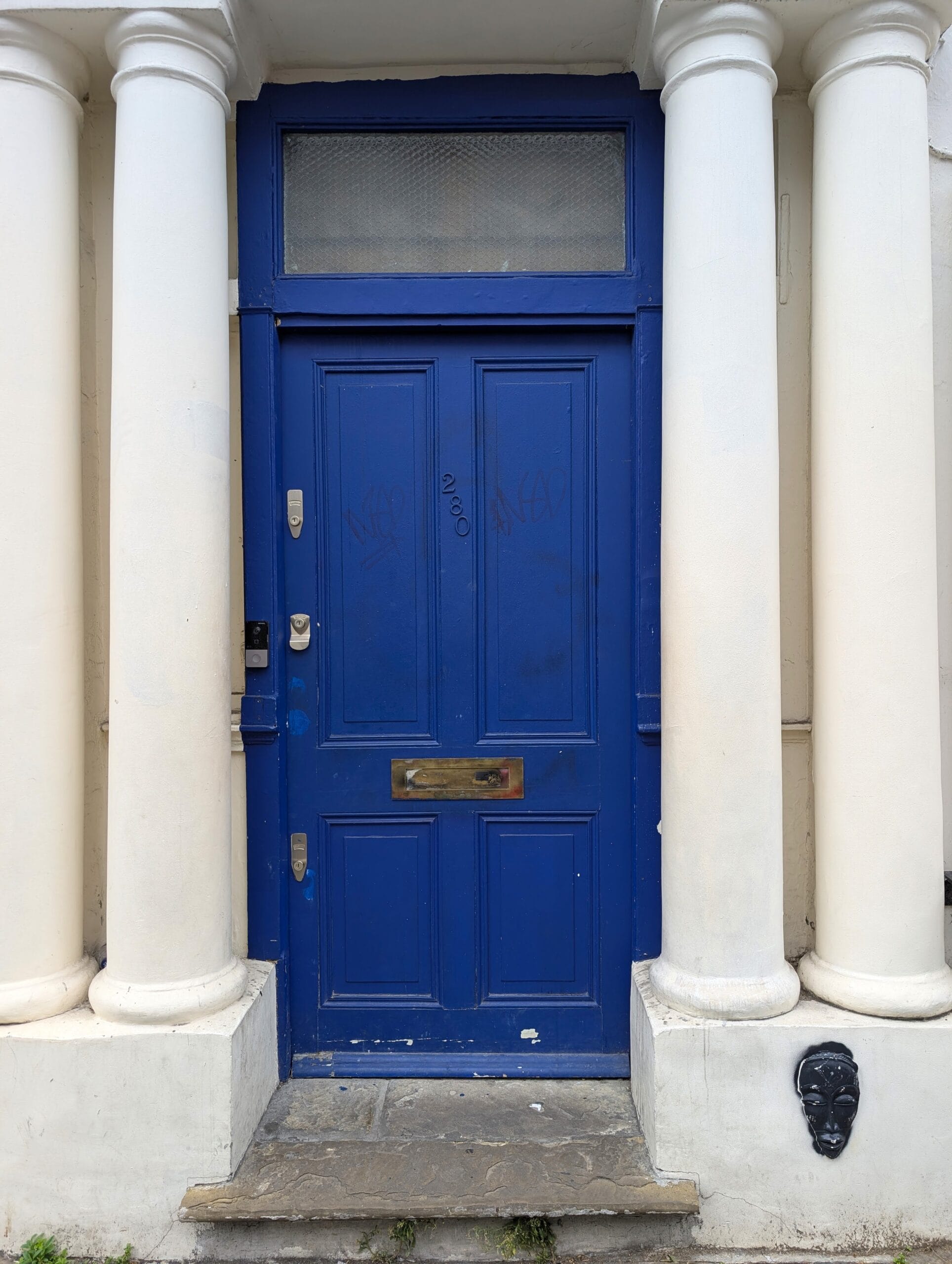
If there’s one place in London that captures the city’s eclectic soul, it’s Portobello Road Market, better known to many visitors simply as Notting Hill Market. Winding through the heart of Notting Hill, this iconic street market has been a treasure hunter’s paradise since the 1940s, drawing locals and travelers alike with its irresistible blend of vintage finds, antique curiosities, and vibrant street life.
On Saturdays, when the market reaches its full glory, Portobello Road transforms into a kaleidoscope of color and activity. Stalls spill out onto the pavements in a glorious jumble, offering everything from Georgian silverware and Victorian jewelry to retro fashion, vinyl records, and quirky collectibles. The air hums with the chatter of dealers and bargain hunters, punctuated by the aroma of street food from around the world.
The culinary scene at Portobello Road is a journey in itself. From sizzling Spanish paella and fragrant Moroccan tagines to gourmet grilled cheese sandwiches and freshly baked pastries, the food stalls reflect London’s multicultural character. On weekdays, you’ll find local bakeries, artisan coffee shops, and fruit and vegetable vendors serving the neighborhood, while weekends bring an explosion of international street food that turns browsing into a full sensory experience. Don’t miss the chance to grab a warm crepe or sample exotic spices from the specialty food stalls that have become market fixtures.
But Portobello Road is more than just a shopping destination. The pastel-painted houses that line the street, the independent boutiques tucked into century-old shopfronts, and the diverse crowd that fills its cobblestones all contribute to an atmosphere that feels distinctly, authentically London. Whether you’re a serious collector hunting for that perfect piece, a casual browser soaking up the atmosphere, or simply a wanderer drawn by the market’s legendary reputation, Portobello Road promises an experience that lingers long after you’ve left its colorful streets behind.
On Saturdays, arrive early—ideally before noon—as many of the better food stalls sell out.
Here are some of the pictures I took that Saturday; do let me know what you think in the comments below.
What to eat and buy in Notting Hill
Portobello Road is easiest to enjoy when you leave room for both grazing and browsing. The market changes by day, so treat these as a shortlist of reliable things to look for rather than a promise that every stall will be trading on every visit.
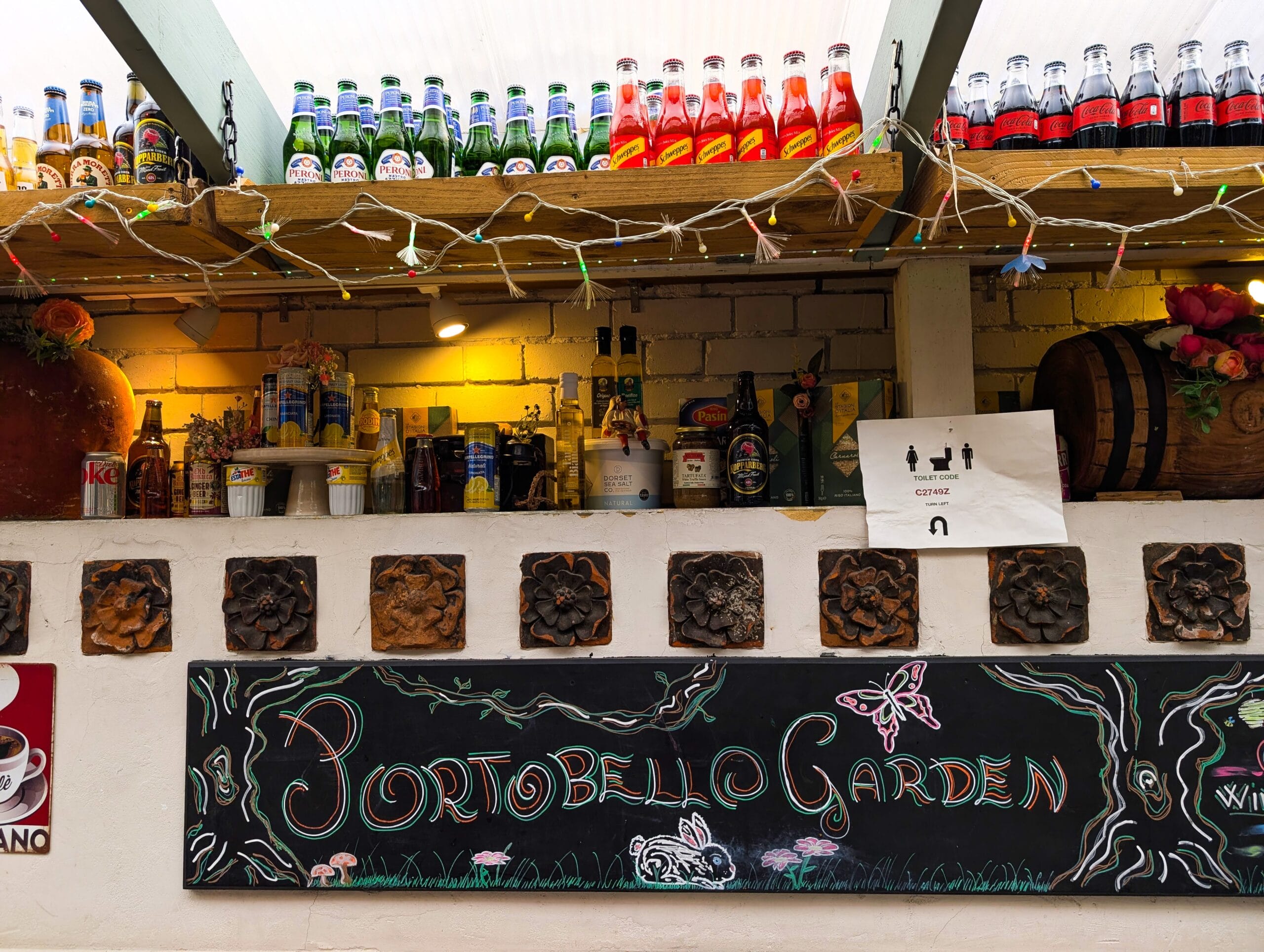
Five things to eat in Notting Hill
- Jerk chicken or jerk cauliflower — look for smoky, spice-rubbed Caribbean plates with rice and peas, slaw and a hot sauce on the side.
- Spanish paella — a good Saturday choice when the market’s outdoor food stalls are busiest; ask for a fresh pan rather than a dish that has been sitting.
- Moroccan pastries and mint tea — wander north towards Golborne Road for flaky pastries, honeyed sweets and strong mint tea.
- Caribbean small plates — book a nearby sit-down meal for saltfish fritters, plantain, curry goat or a rum-based cocktail when you want a break from the stalls.
- Ottolenghi salads and pastries — a useful lighter stop for colourful salads, baked dishes and something sweet before returning to the market.
Five things to buy in Notting Hill
- Vintage clothing and 1970s pieces — check seams, labels and condition, then compare prices across several stalls before buying.
- Small antiques and silver — Portobello is known for collectible objects, but ask about provenance and inspect hallmarks if you are buying jewellery.
- Vinyl records — dig through the crates for London-themed sleeves, jazz, reggae and second-hand classics; check the record surface before paying.
- Moroccan baskets, rugs and homeware — Golborne Road is a good place to look for woven storage, lamps and textiles with a North African character.
- Art prints and small photographs — choose something flat and easy to carry, and ask whether the print is an original, limited edition or reproduction.


Camden Market, London
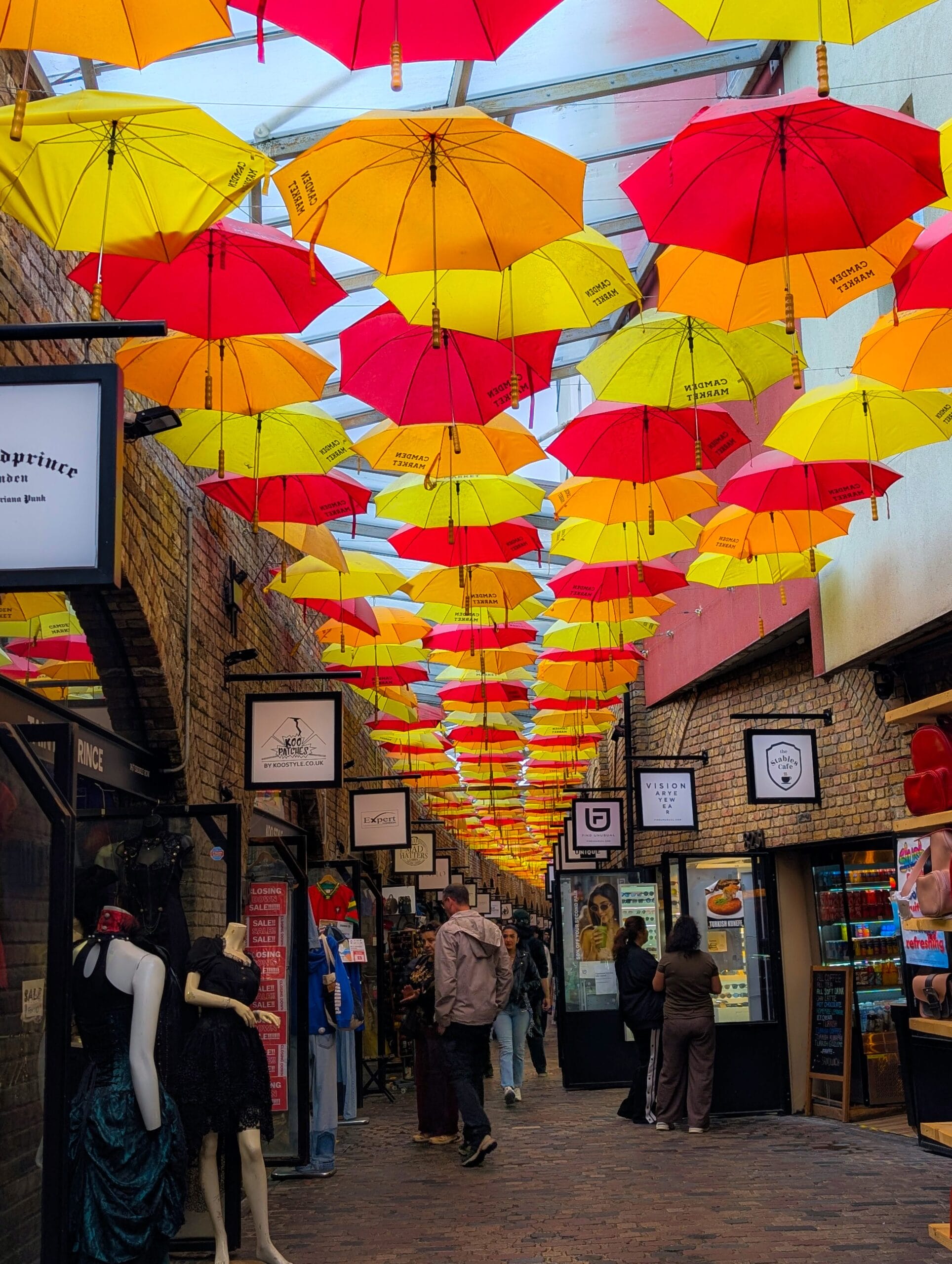 Welcome to Camden Market, where London’s rebel spirit comes alive in a maze of stalls, street art, and sensory overload. Sprawling along the Regent’s Canal in North London, this isn’t just one market but a collection of interconnected markets that have evolved from a small Sunday gathering in the 1970s into one of the city’s most visited attractions, drawing over 250,000 visitors every weekend.
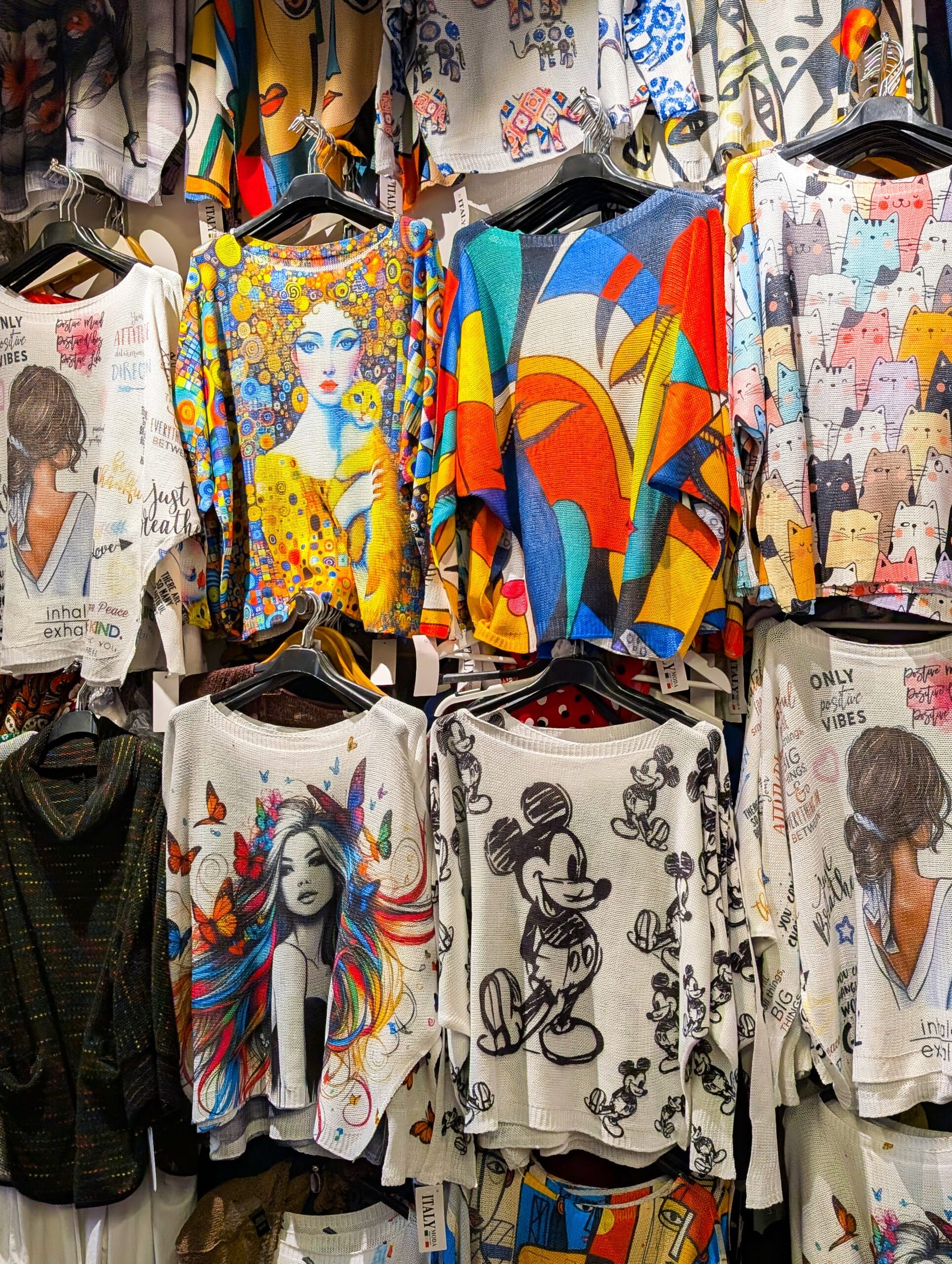
Camden is where counterculture meets commerce in the most glorious way possible. As you navigate through Camden Lock, Stables Market, and the labyrinth of covered halls, you’ll find everything from handcrafted jewelry and custom leather jackets to vintage band tees, alternative fashion, and art that pushes boundaries. The atmosphere pulses with creativity—buskers perform on bridges, the scent of incense mingles with sizzling street food, and every corner reveals another Instagram-worthy moment, whether it’s a giant boot-shaped storefront or a dragon sculpture perched atop a building.
The food scene here is nothing short of extraordinary. Camden Market serves as London’s global kitchen, with vendors dishing up authentic cuisine from every corner of the world. Craving Venezuelan arepas? Argentine empanadas? Japanese takoyaki? Malaysian laksa? They’re all here, along with vegan delights, gourmet burgers, and desserts that defy description. Grab your food and find a spot by the canal to watch the narrowboats drift by, or claim a table in one of the bustling covered food halls where the energy never stops. Whether you’re a punk at heart, a foodie on a mission, or simply curious about one of London’s most distinctive neighborhoods, Camden Market offers an experience that’s raw, real, and unapologetically London. It’s chaotic, it’s colorful, and it’s absolutely unmissable.
Here are some of the pictures I took that day of the market; do let me know what you think in the comments below.
What to eat and buy in Camden
Camden’s food and shopping are concentrated around the market’s halls, Lock and Stables area. The official Camden Market food directory is the best place to check current vendors before you travel.
Five things to eat in Camden
- Venezuelan arepas — corn cakes stuffed with slow-cooked meat, beans, cheese or avocado; they travel well for a canal-side lunch.
- Japanese takoyaki or gyoza — choose a hot, freshly finished portion and eat it immediately while the filling is still tender.
- Fresh pasta from The Cheese Wheel — the market classic for pasta tossed in a wheel of cheese, best shared if you are trying several stalls.
- Vegan comfort food — Camden is strong on plant-based burgers, bowls and loaded fries, making it easy for a mixed group to eat together.
- Ice cream or a warm dessert — finish with a made-to-order sweet such as liquid-nitrogen ice cream, churros or a filled doughnut.
Five things to buy in Camden
- Alternative and vintage clothing — look for one-off jackets, band T-shirts, denim and reworked pieces rather than mass-produced souvenirs.
- Handmade leather goods — belts, wallets and small bags are practical buys; inspect stitching and ask what is genuinely handmade.
- Statement jewellery — Camden is a good place for bold rings, earrings and necklaces from independent designers.
- Art prints and posters — choose a tube-friendly print from a local illustrator or music-inspired stall to remember the neighbourhood.
- Homeware and quirky gifts — incense, ceramics, lamps and playful design objects suit Camden’s bohemian side and are easier to pack than large décor.
Allow at least two hours for each market, and more if you want to eat at a leisurely pace. Portobello is most atmospheric on Saturday, while Camden is lively throughout the week; check opening times and vendor listings before setting out.


More London Travel Ideas
Continue exploring London with my guides to Covent Garden, Borough Market and Spitalfields, the National Gallery, and a London Eye river cruise. If you have a full day, consider a day trip to Bourton-on-the-Water.
Notting Hill Market and Camden Practical Info – September 2026
Here are current approximate prices and tips (September 2026) for visiting both markets, including Indian food nearby.
- Portobello Road Market: Open daily except Sunday, about 9 am – 5 pm in autumn and winter and 8 am – 6 pm in spring and summer. Saturday is the big day, with antiques, the full street market and the biggest crowds. Friday is quieter and still good for vintage. Nearest Tube: Notting Hill Gate or Ladbroke Grove.
- Camden Market: Open 7 days a week, about 10 am – 6 pm, with food stalls open until 7 pm or later and Hawley Wharf’s food halls until about 10 pm. Nearest Tube: Camden Town, which can be exit-only at busy weekend times, or Chalk Farm.
- Typical costs: Street food costs about £8–14 a dish. Vintage clothing is about £15–60, and vinyl records £5–30. Bargaining is fine for antiques and vintage, but not for food.
- Indian food nearby: Camden Market has several Indian street-food stalls (thalis, dosas and kathi rolls for about £8–12), and there are proper curry houses on Camden High Street. Near Notting Hill, Westbourne Grove and Bayswater have good Indian restaurants at about £15–30 per person.
- Getting between them: About 30–40 minutes by Tube, or take the 31 or 328 bus towards Camden and Notting Hill. You can also walk part of the Regent’s Canal from Camden towards Little Venice.
- Getting around London: Just tap a contactless card or phone (or an Oyster card) on the Tube and buses. A Zone 1 Tube fare is about £3.00–3.10, and the daily cap for Zones 1–2 is about £8.90, so you never pay more than that in a day. Buses cost about £1.75–1.85, with unlimited bus transfers within an hour.
- Visa for Indian visitors: You need a UK Standard Visitor visa. Apply well ahead, since processing takes about 3 weeks.