Kerala Calling : Kochi , Kumarakom
Last Updated on November 22, 2025 by admin
Of all the places I have visited in the country and outside, the one which is my absolute favorite is Kerala and more specifically Kochi.
Over the past few years have had the chance to visit various places in Kerala like Kochi, Kumarakom , Munnar etc and I have been captivated by the natural beauty and greenery of the state and the niceness of the people there.
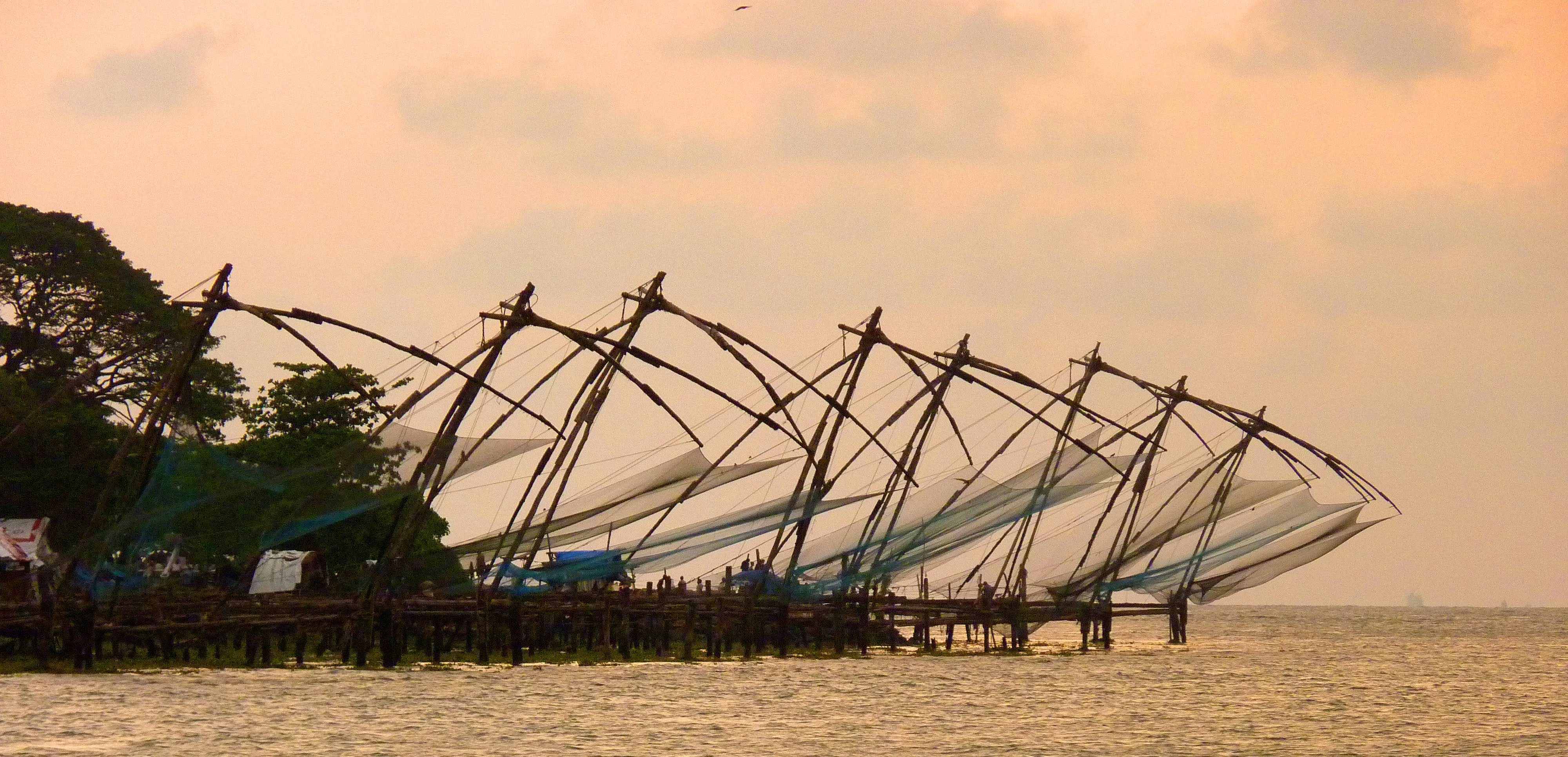
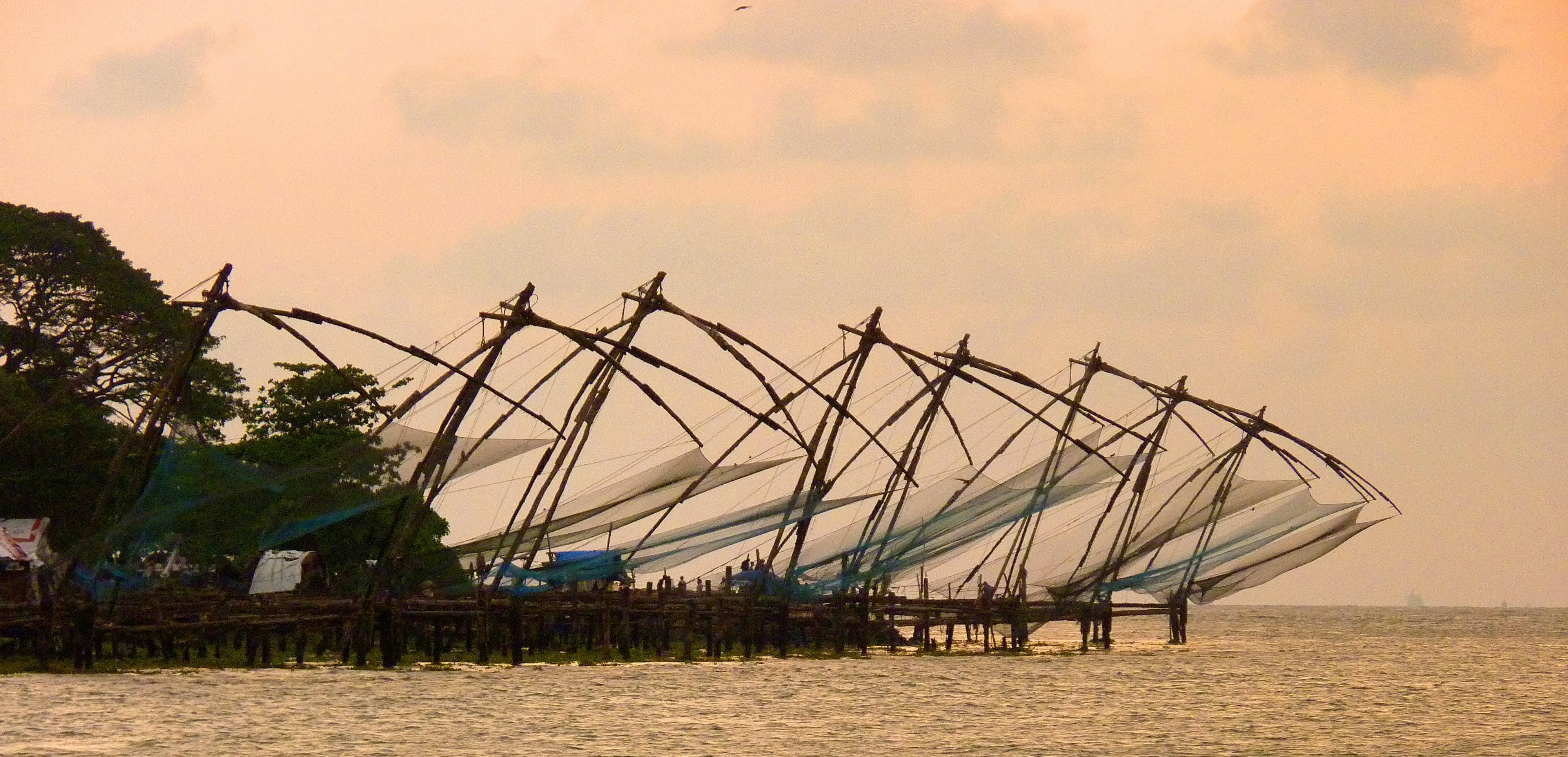
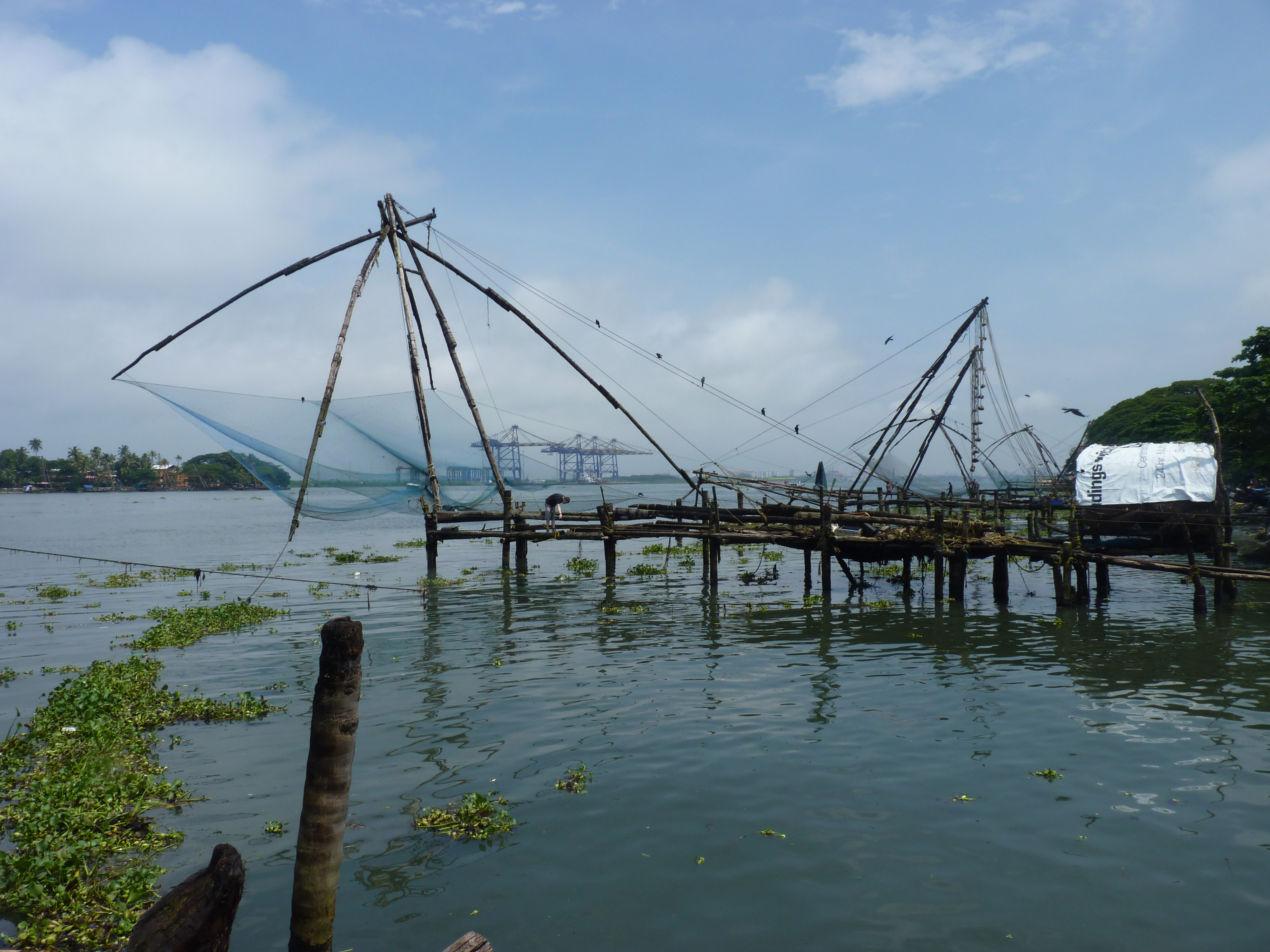
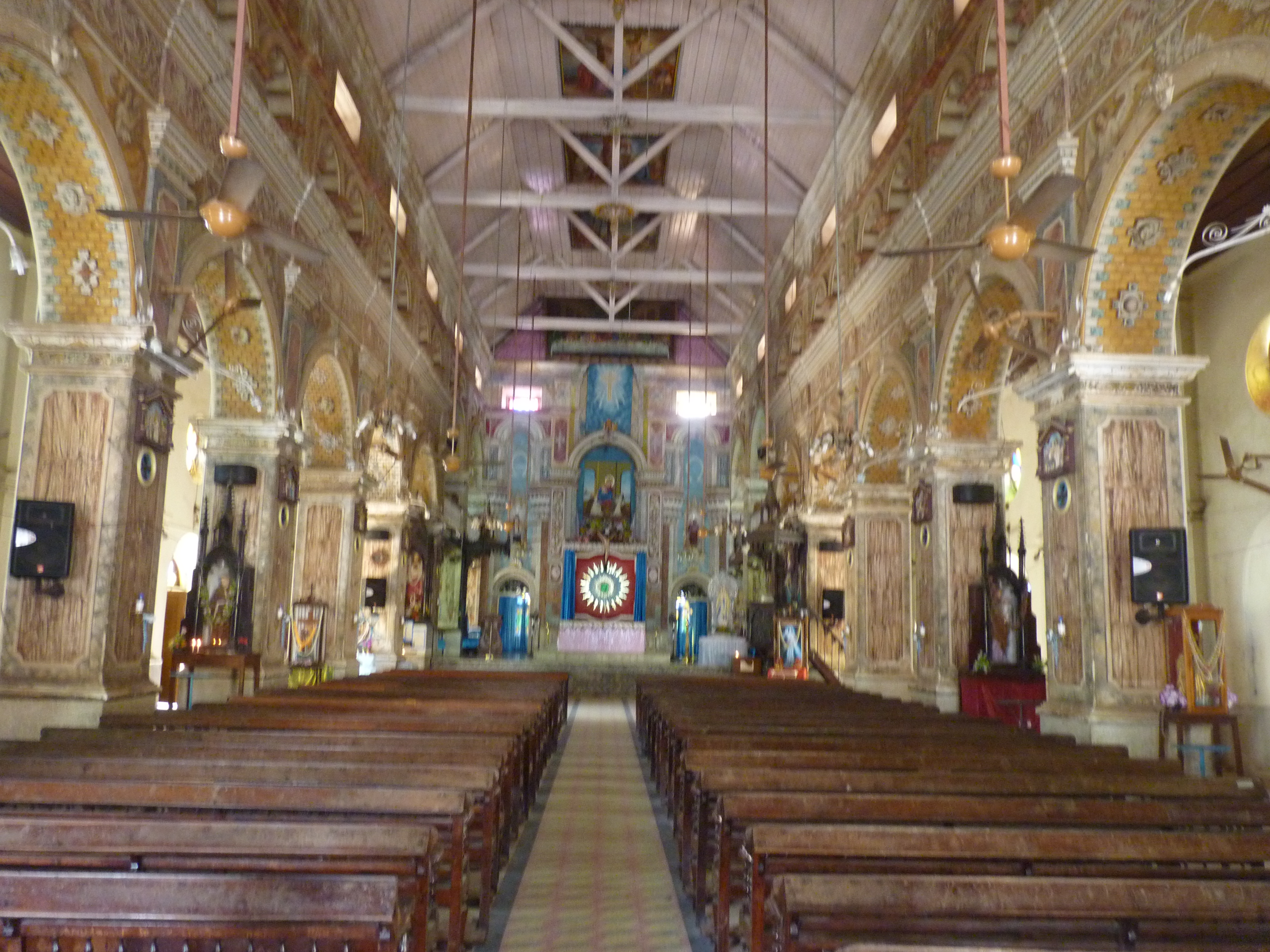
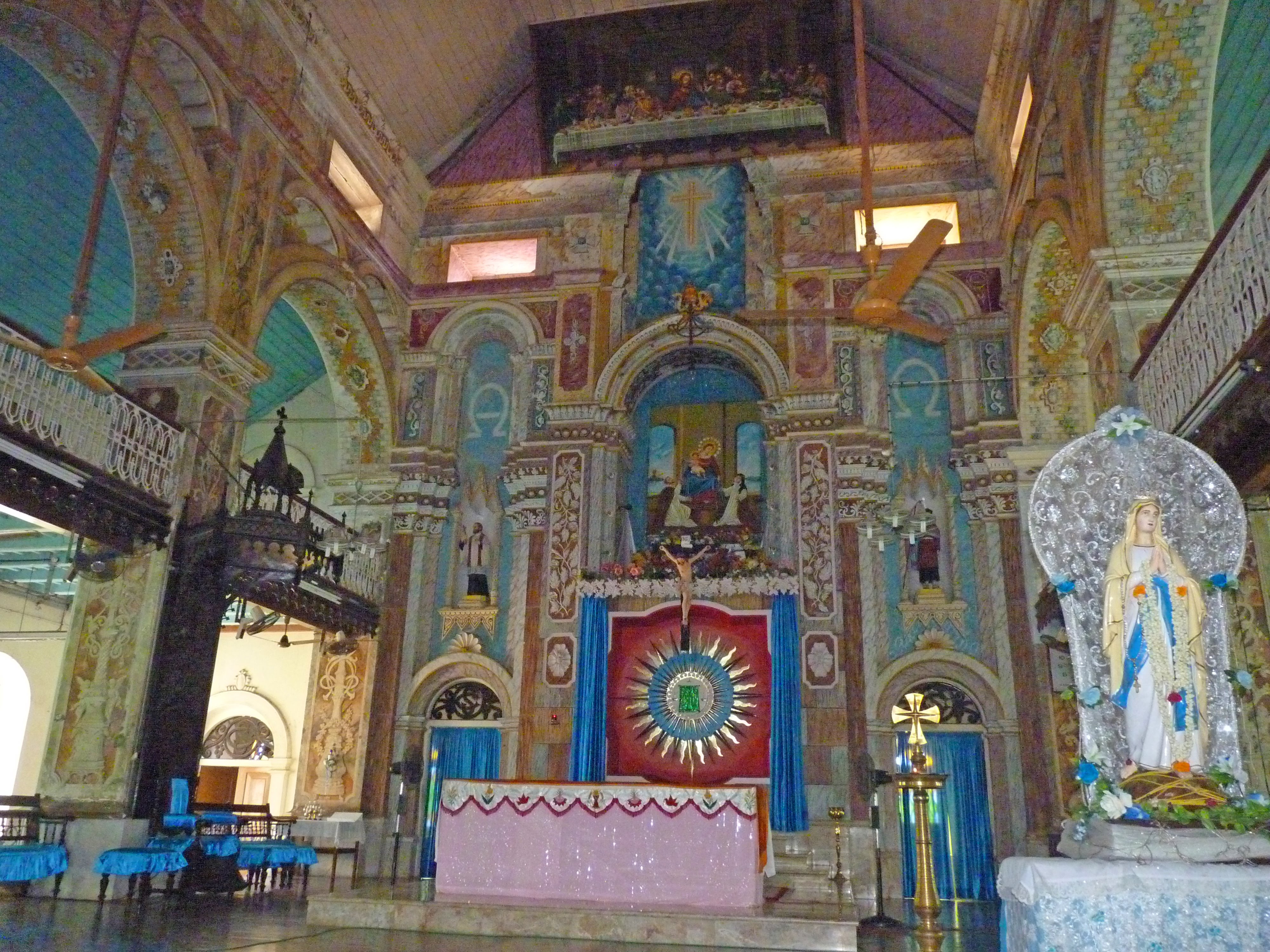
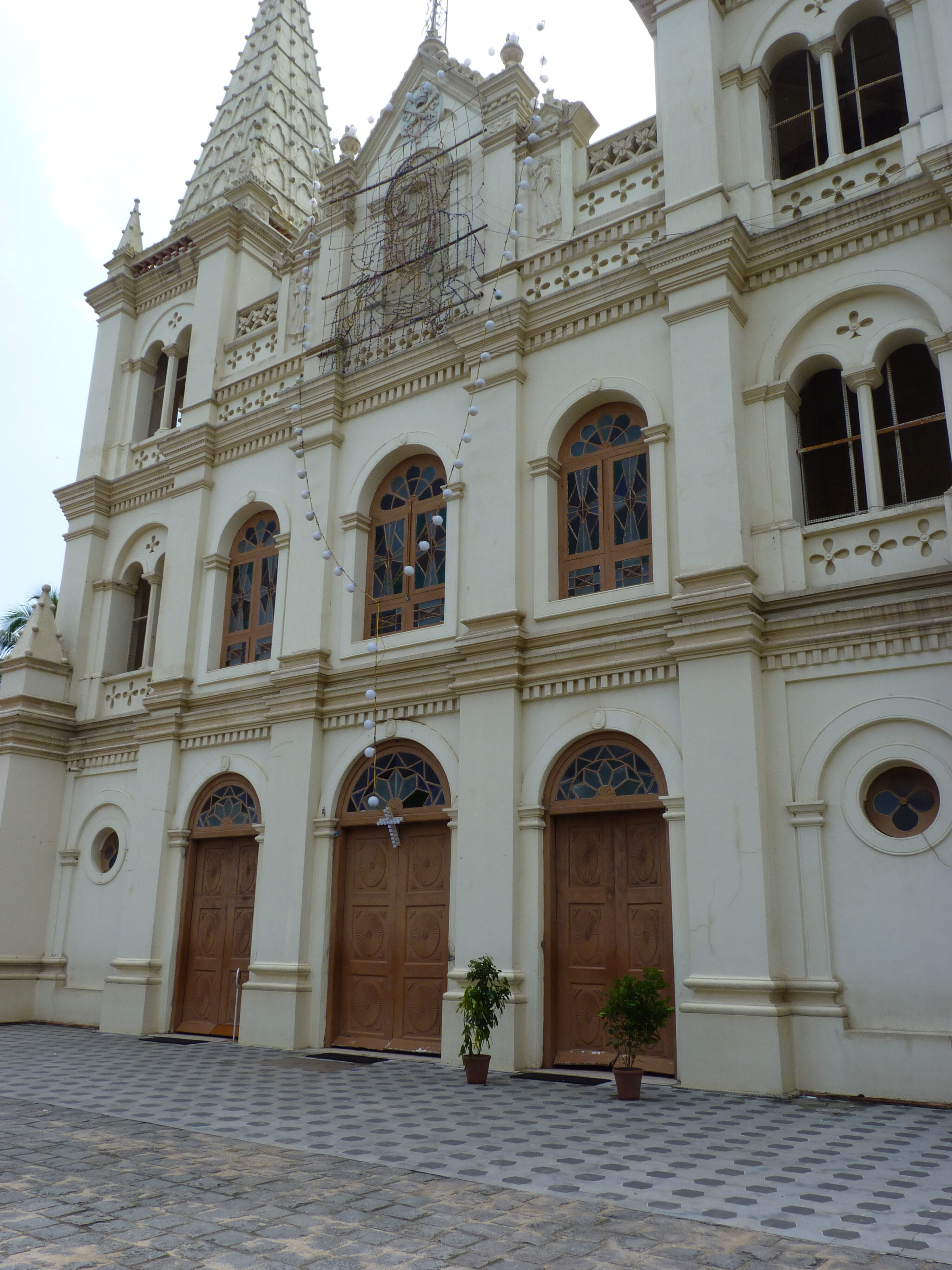
There’s something magnetic about Kochi that’s hard to put into words—perhaps it’s the way centuries collide on every corner. Chinese fishing nets frame Portuguese architecture, synagogues neighbor Hindu temples, and the scent of cardamom drifts through salt air.
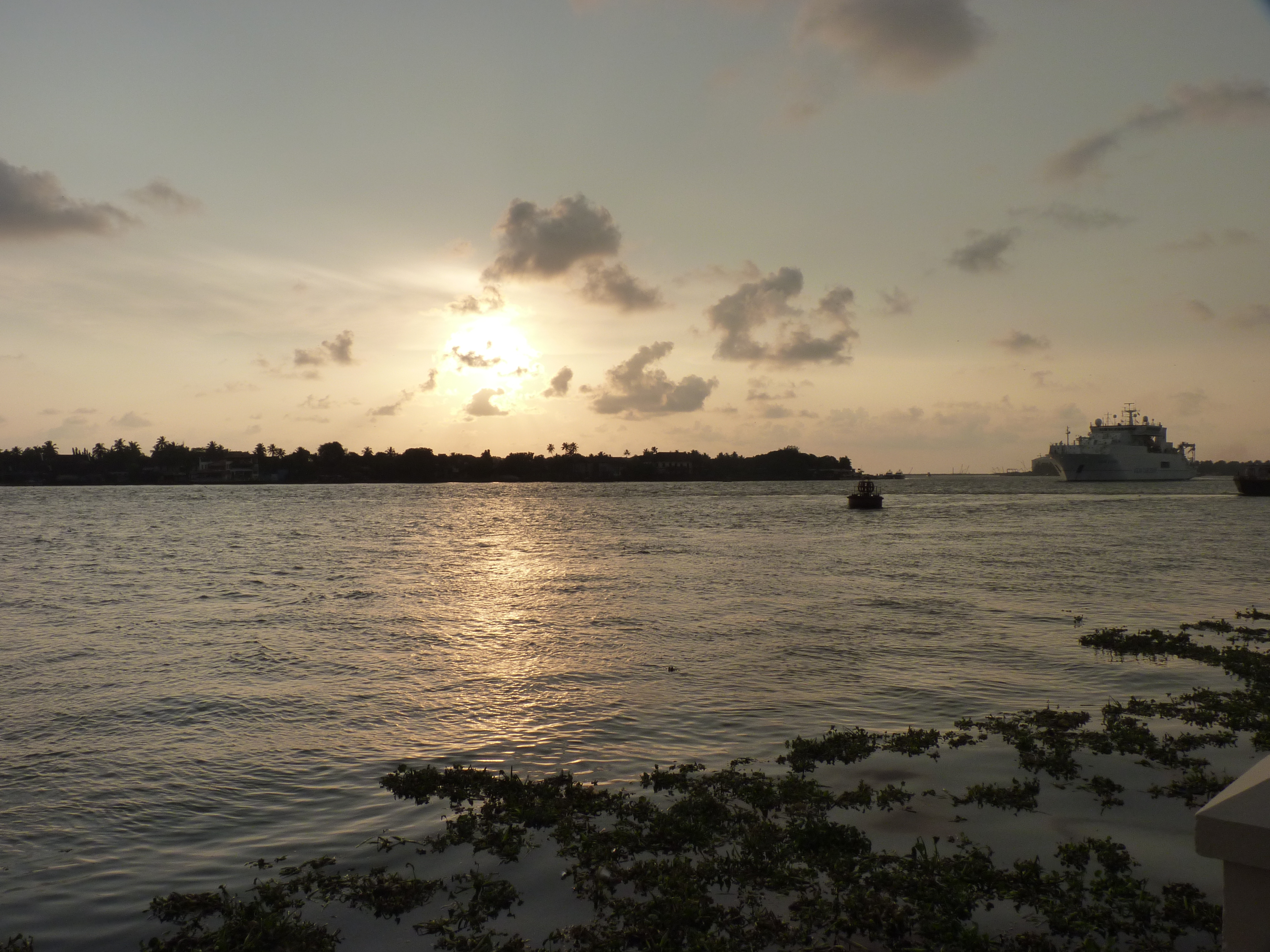
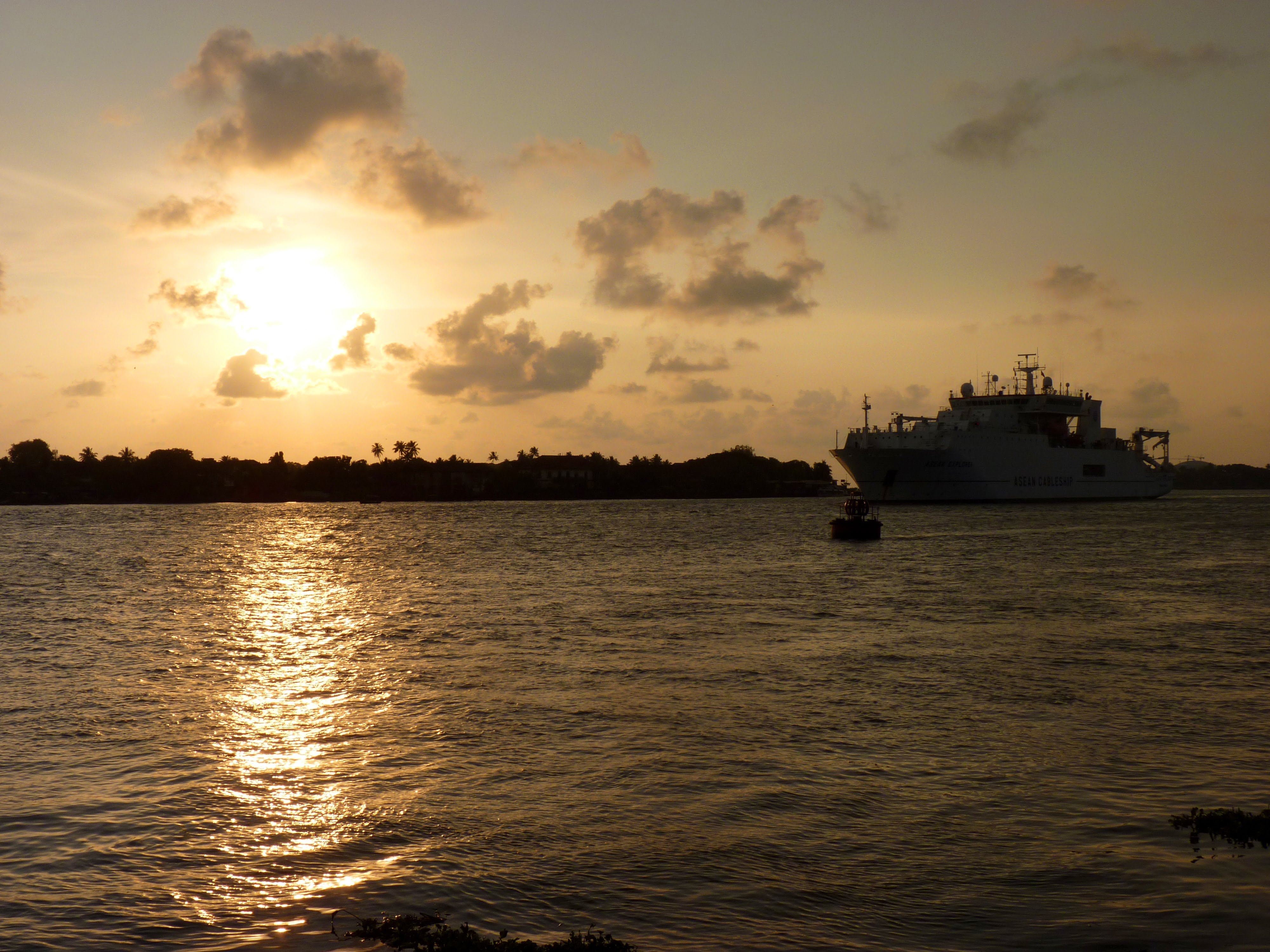
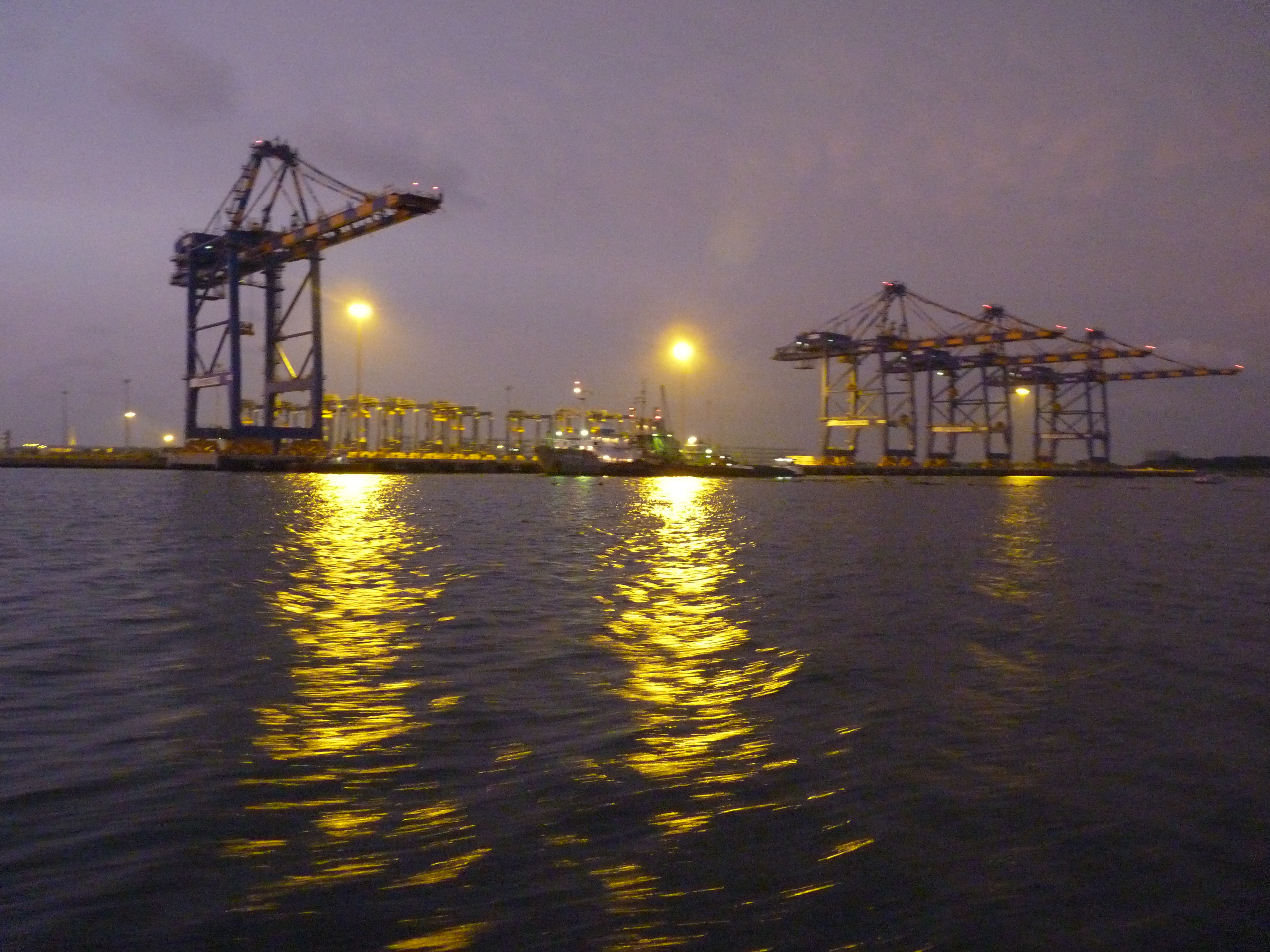
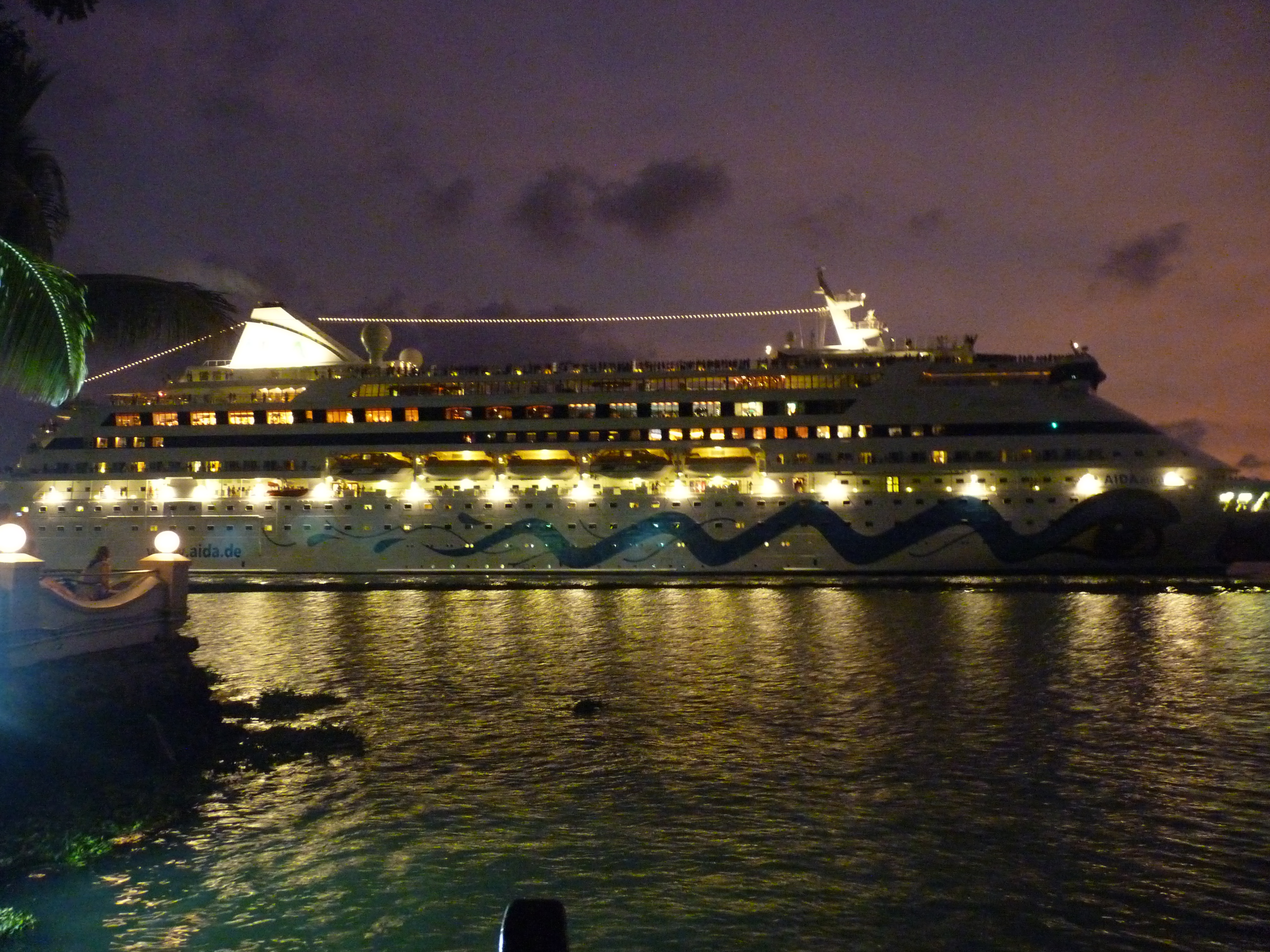
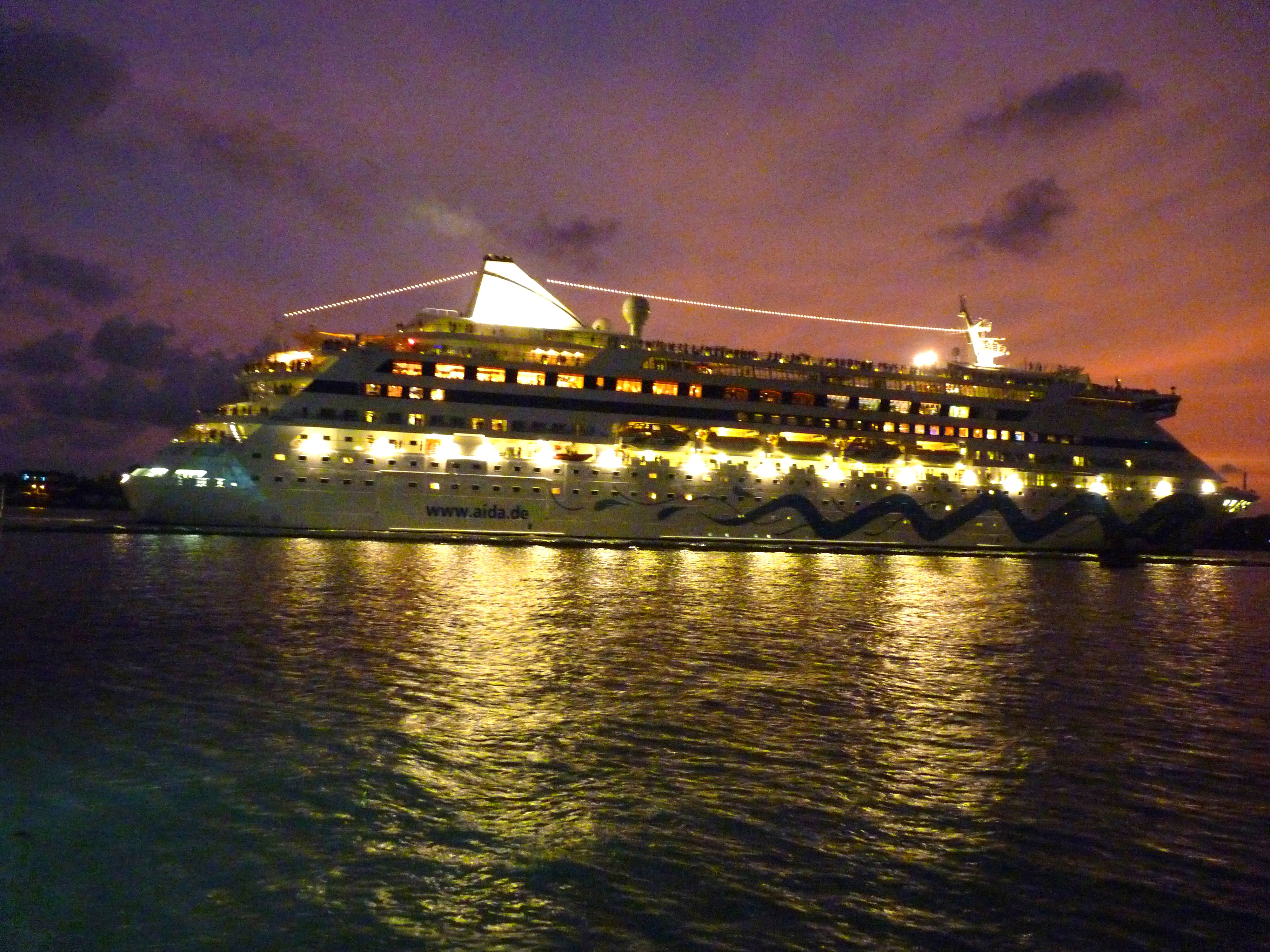
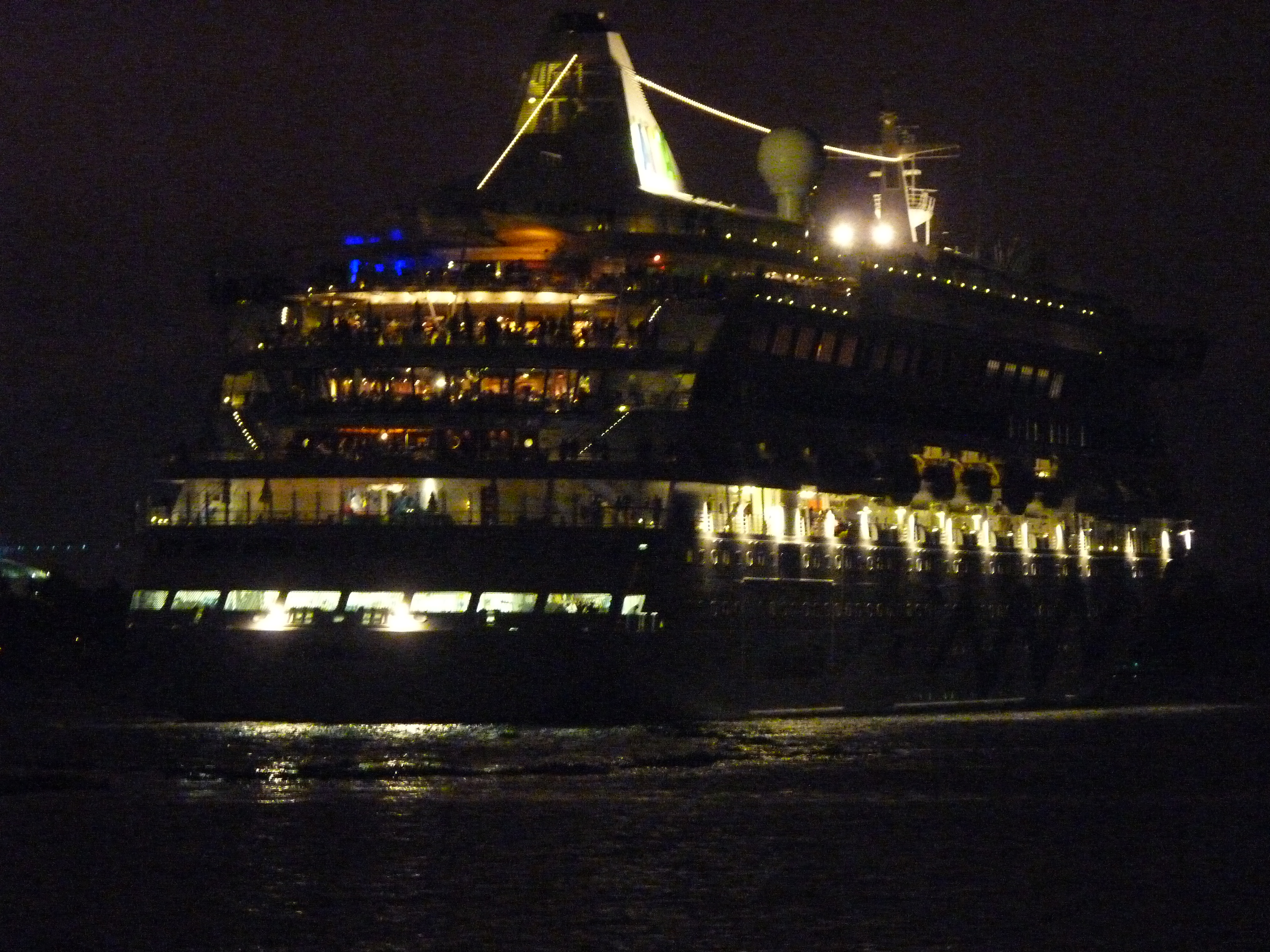
Here is a collection of Clips I took on that trip including the mesmerizing sunset cruise.
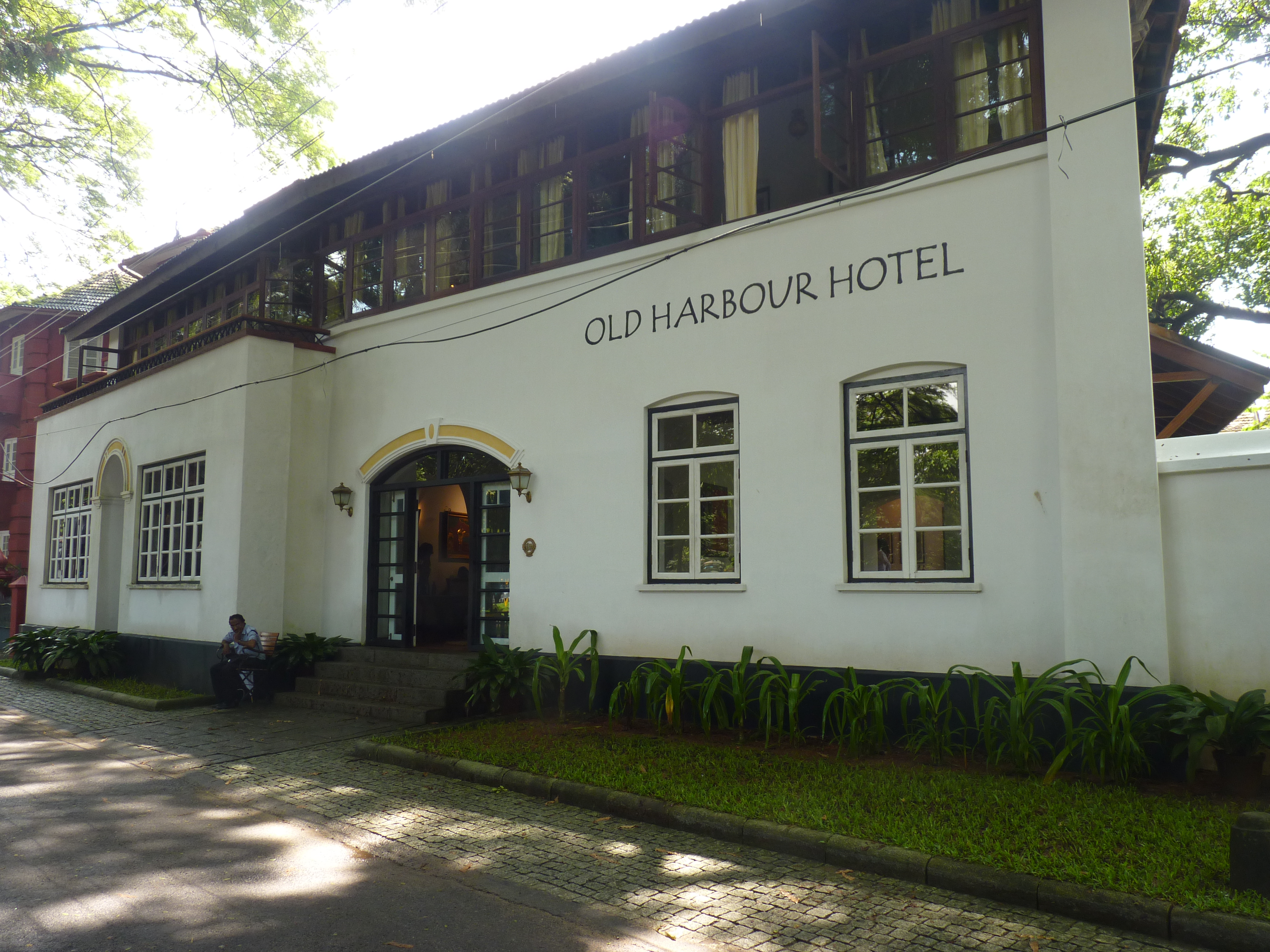
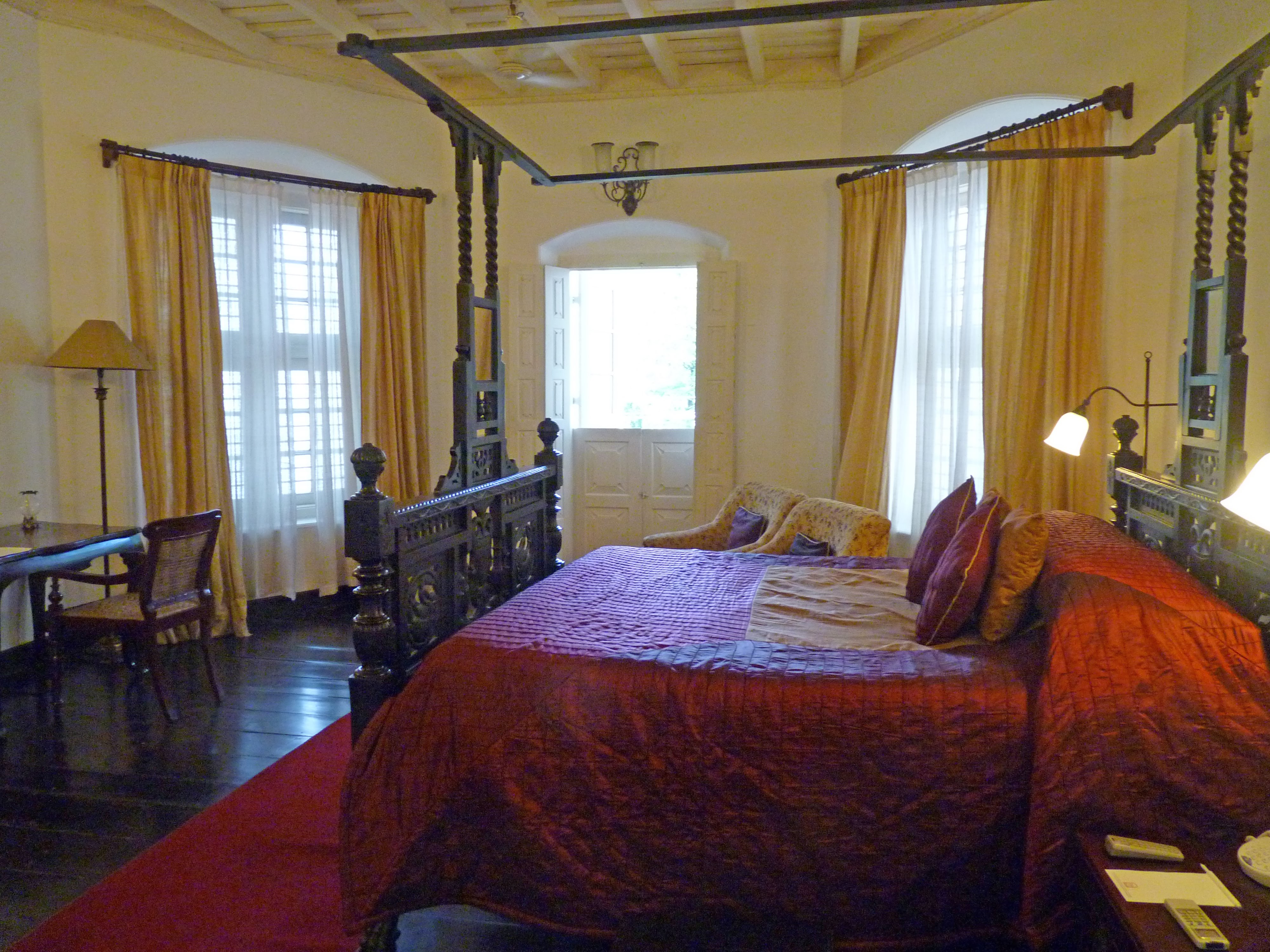
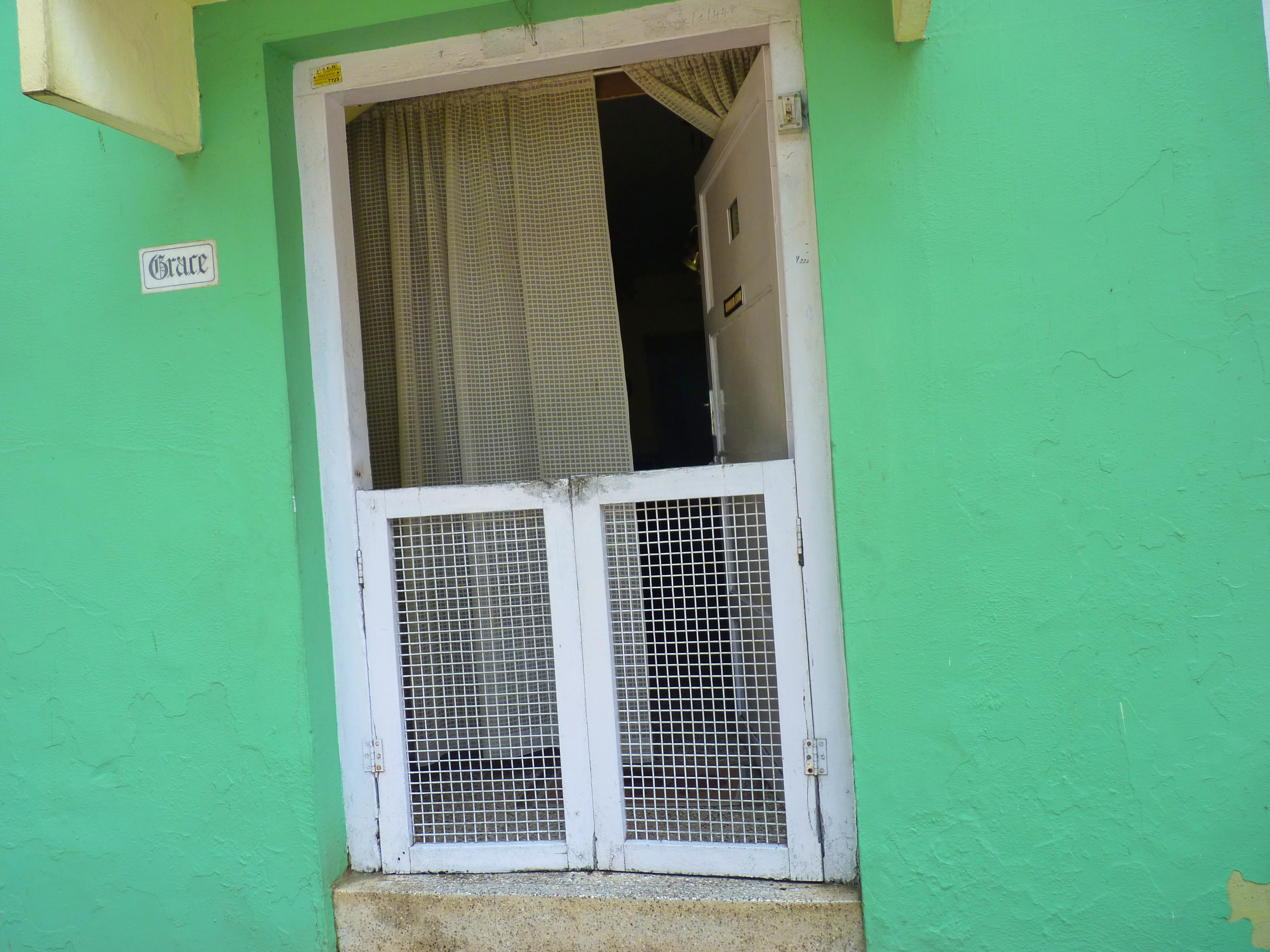
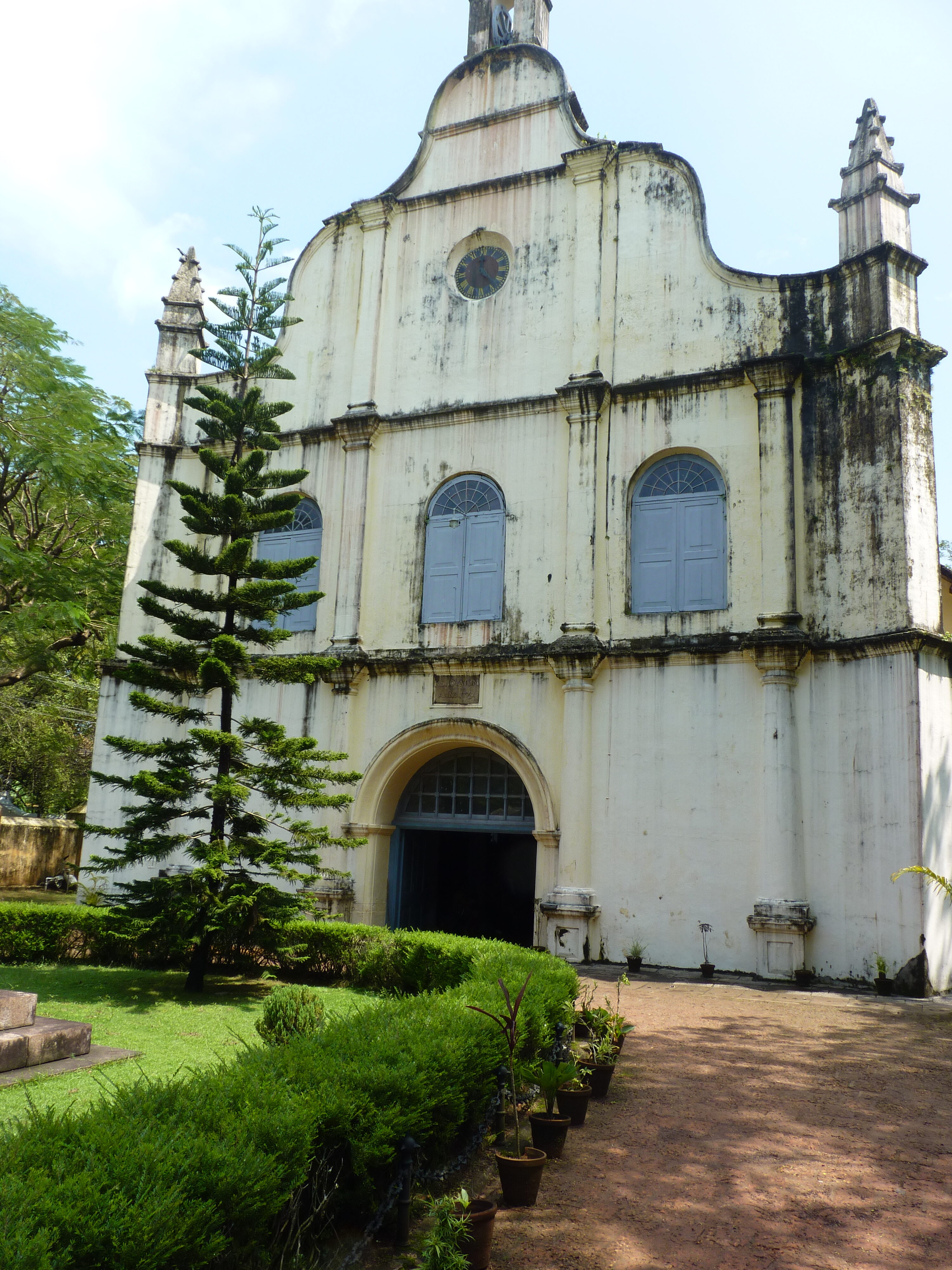
For over 600 years, Kochi welcomed the world—Arab traders, Chinese explorers, Portuguese colonizers, Dutch merchants, and British administrators all left their imprint. Walk through Fort Kochi’s lanes and you’ll time-travel with every turn, from Indo-European colonial mansions to converted spice warehouses now hosting contemporary art galleries.
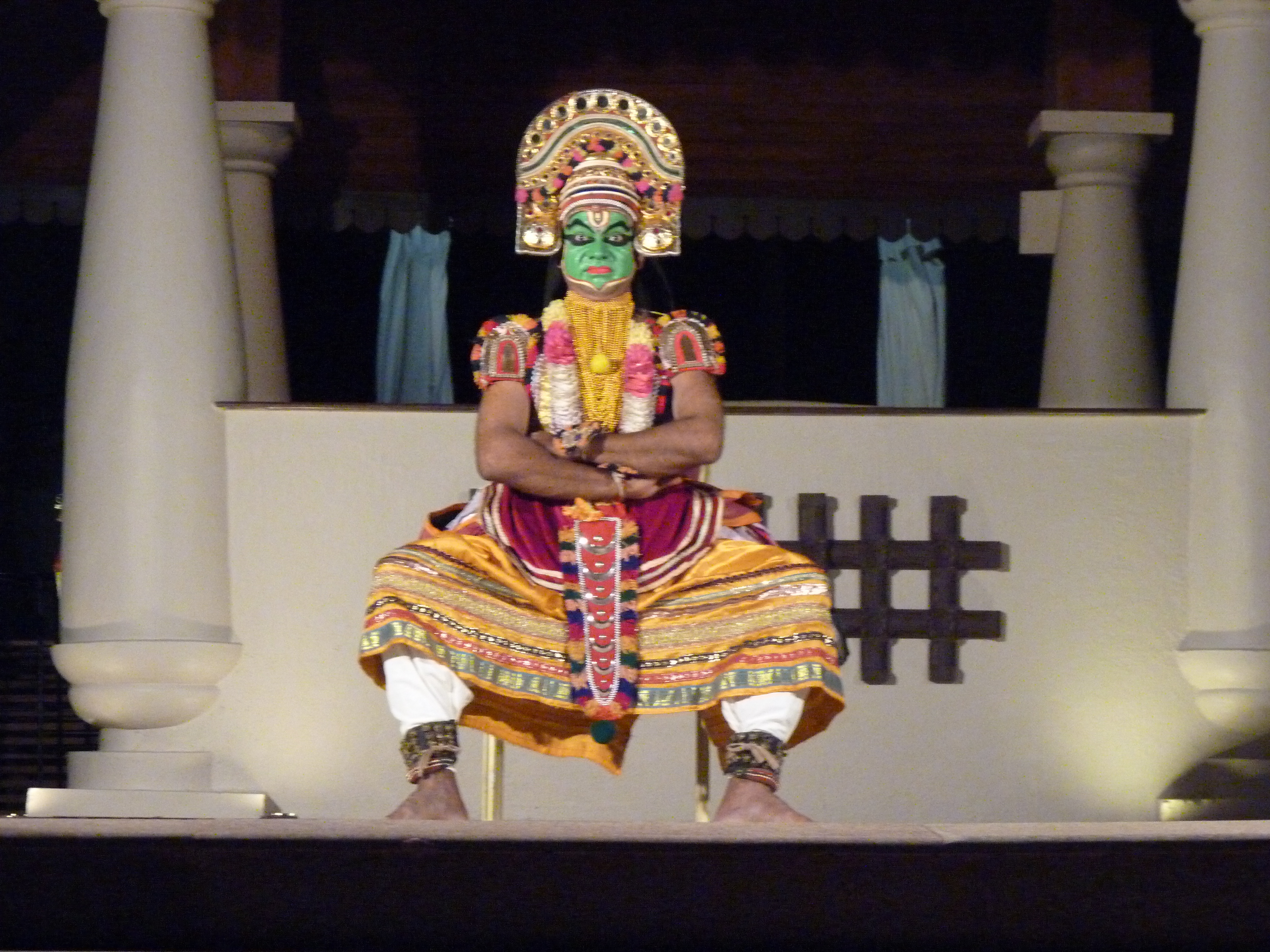
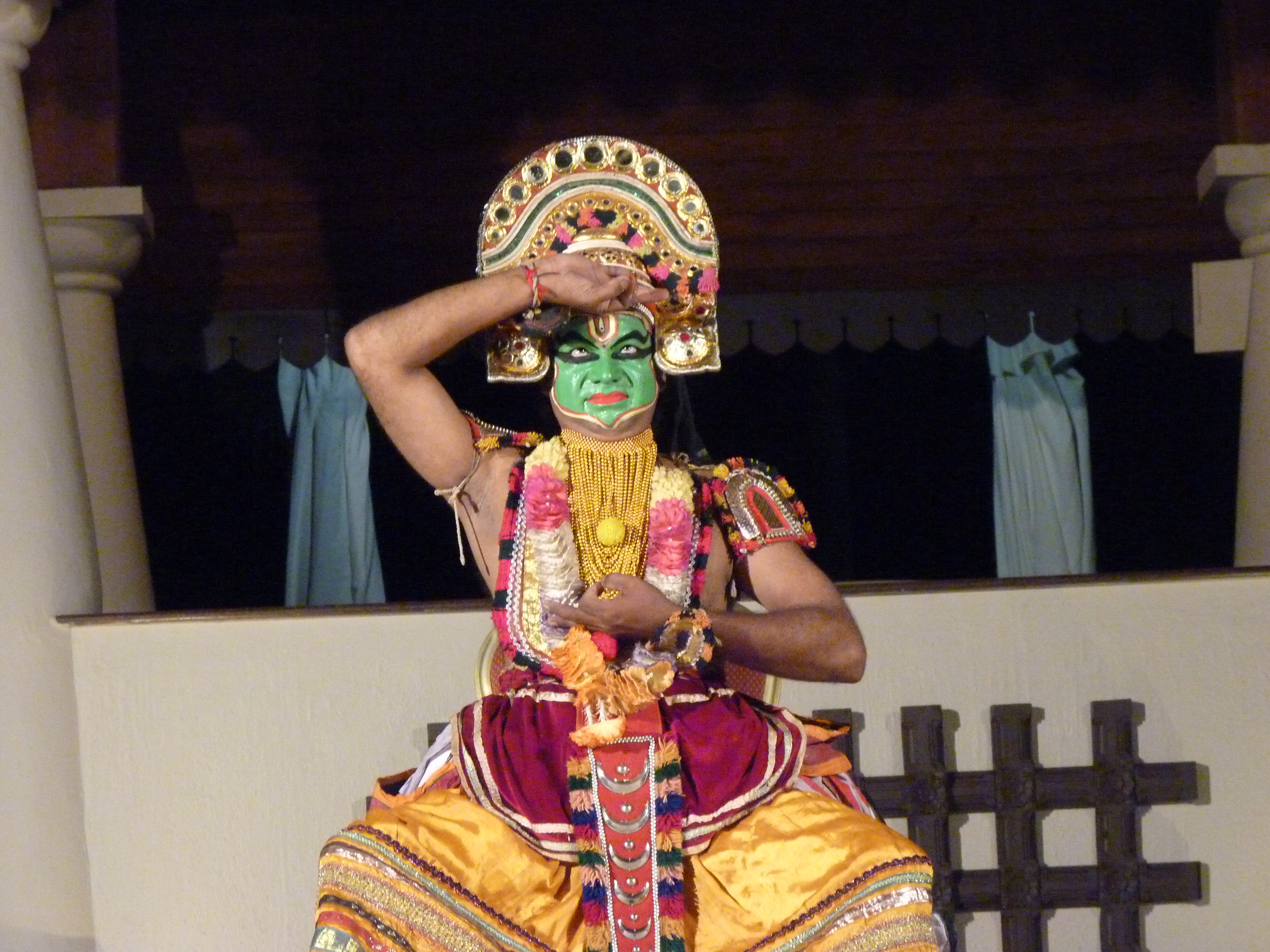
Home to the prestigious Kochi-Muziris Biennale, a thriving center for Kathakali dance, and a culinary scene where traditional recipes meet coastal innovation, the city pulses with creative energy. The backwaters embrace its edges, fishing boats dot the harbor, and everywhere you look, history isn’t just preserved—it’s lived.
Aspinwall & Company: The Spice Trading Legacy of Colonial Kerala
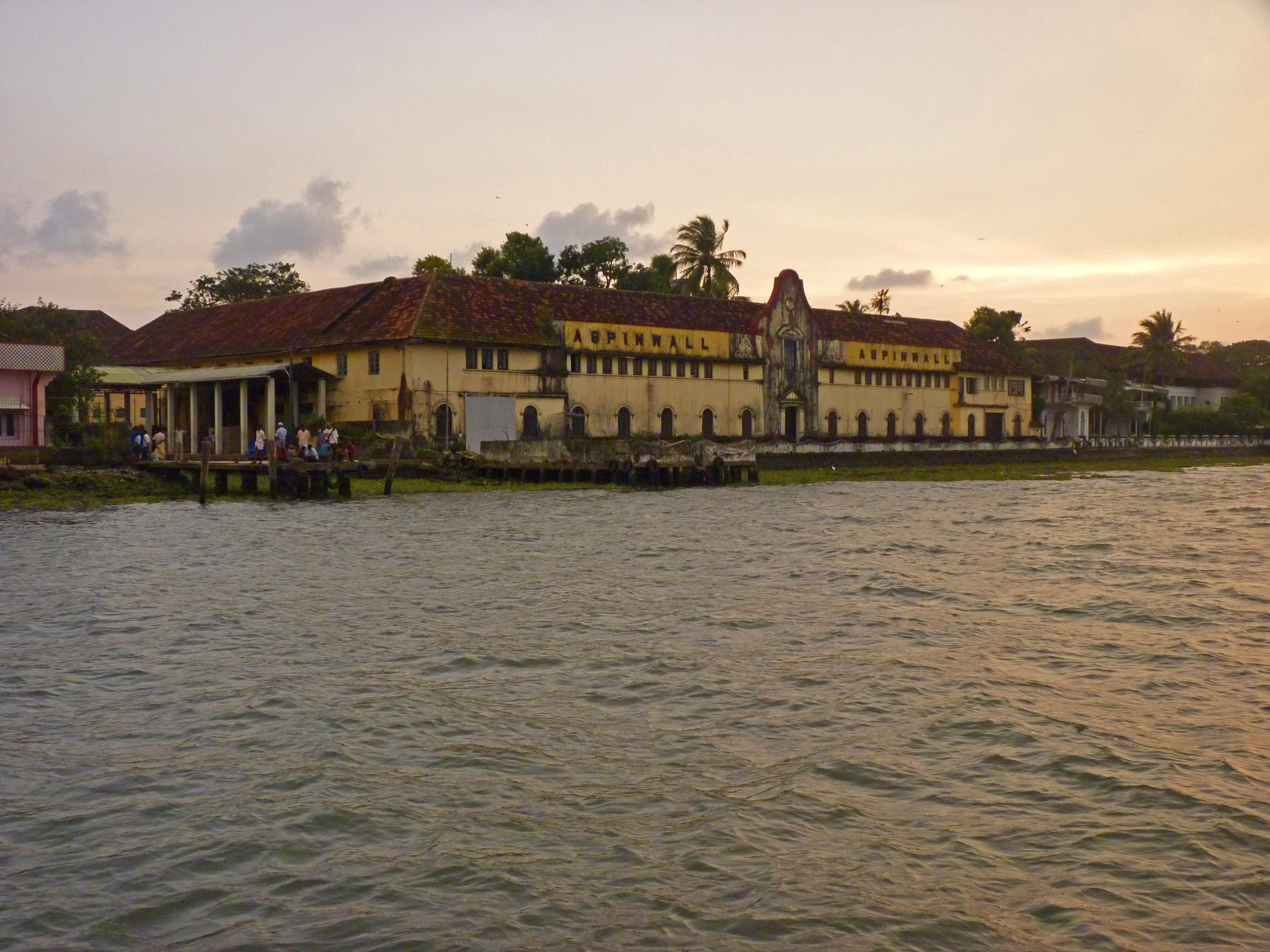
Long before Kerala became a travel destination, it was the epicenter of the global spice trade—and no name loomed larger than Aspinwall & Company. Founded in 1850 by British merchant John H. Aspinwall, this trading giant dominated the export of pepper, cardamom, and ginger from its sprawling Fort Kochi warehouses, shaping Kerala’s commercial landscape for decades.
Today, the restored Aspinwall House hosts the Kochi-Muziris Biennale, transforming historic spice godowns into contemporary art galleries. It’s a fitting evolution—where merchants once counted fortunes in peppercorns, artists now explore Kerala’s complex colonial past. The building reminds us that spices didn’t just flavor the world’s kitchens; they financed empires and forever changed this coastline.
The Chinese Fishing Nets of Kochi: Where History Meets the Harbor
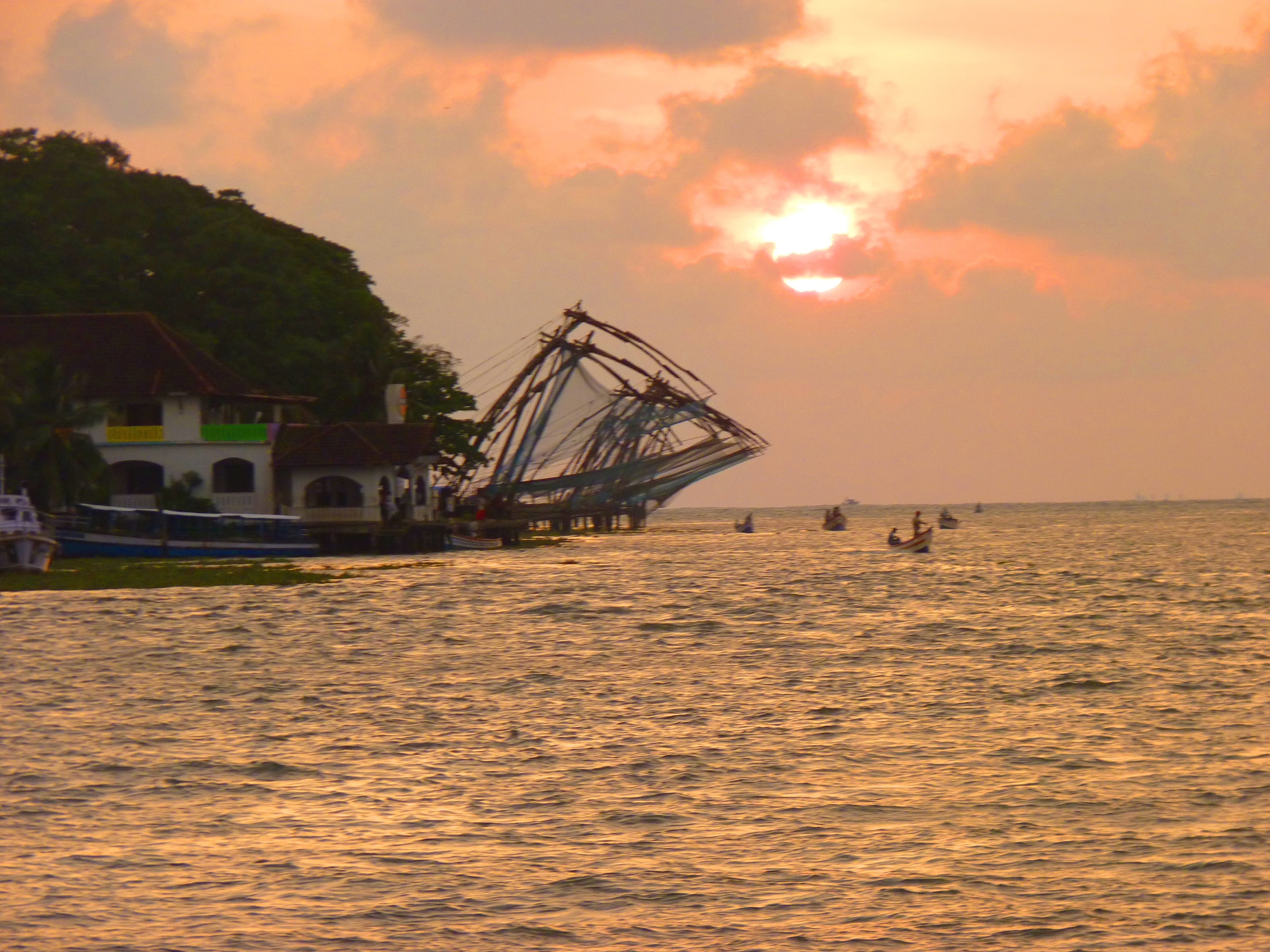
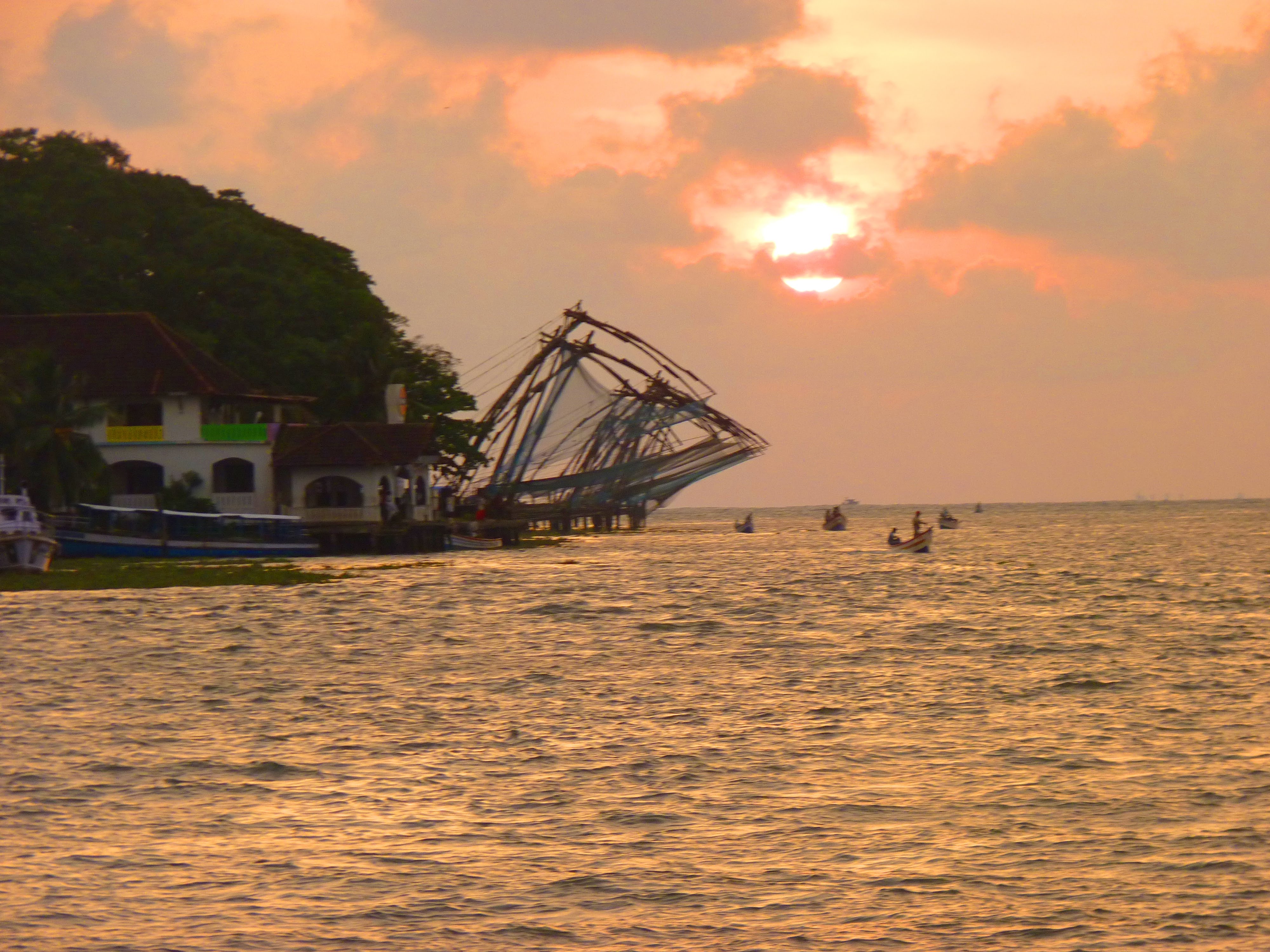
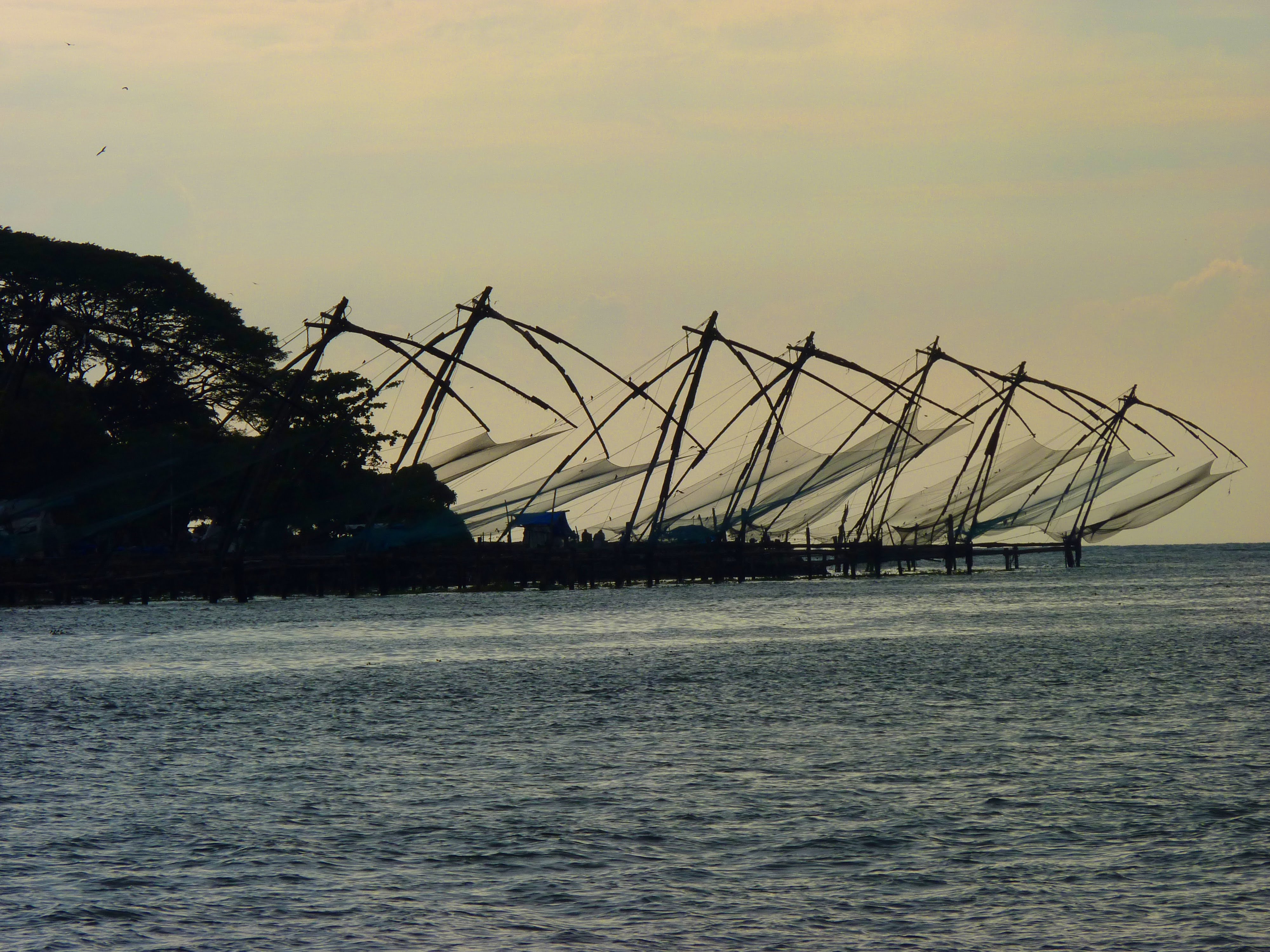
Few sights capture Kochi’s essence like the iconic Chinese fishing nets silhouetted against the sunset along Fort Kochi’s waterfront. These massive cantilevered structures, known locally as “cheena vala,” have graced Kerala’s coast for over 600 years, introduced by traders from the court of Kublai Khan.
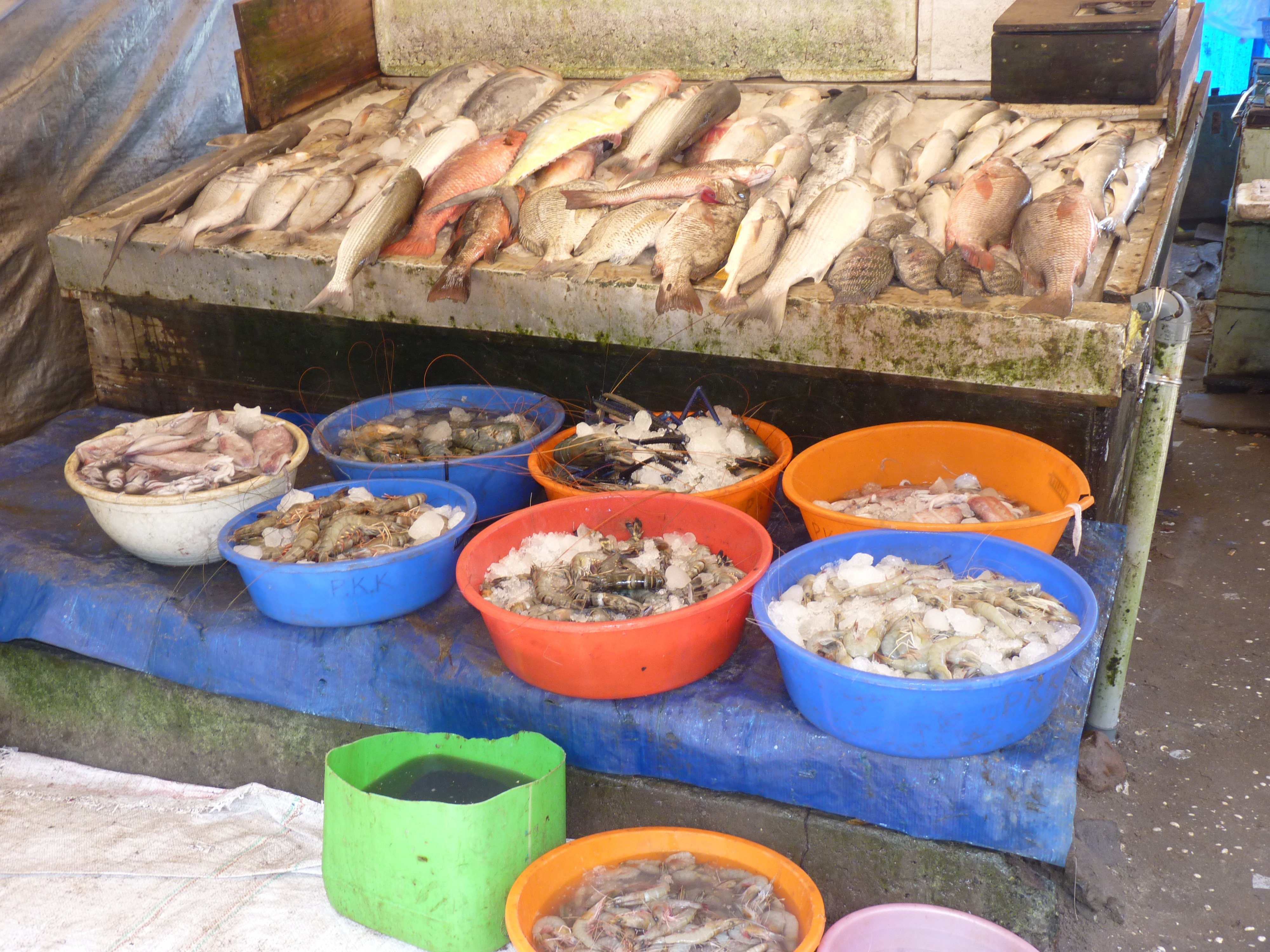
Each net requires fishermen working in perfect synchrony to lower and raise it from the shallow waters—a process unchanged for centuries. Visit at late afternoon when golden light transforms these skeletal frames into works of art, and you can buy the freshest catch directly from the fishermen to be cooked at nearby shacks. More than just a photo opportunity, these nets are a living symbol of Kochi’s enduring maritime heritage.
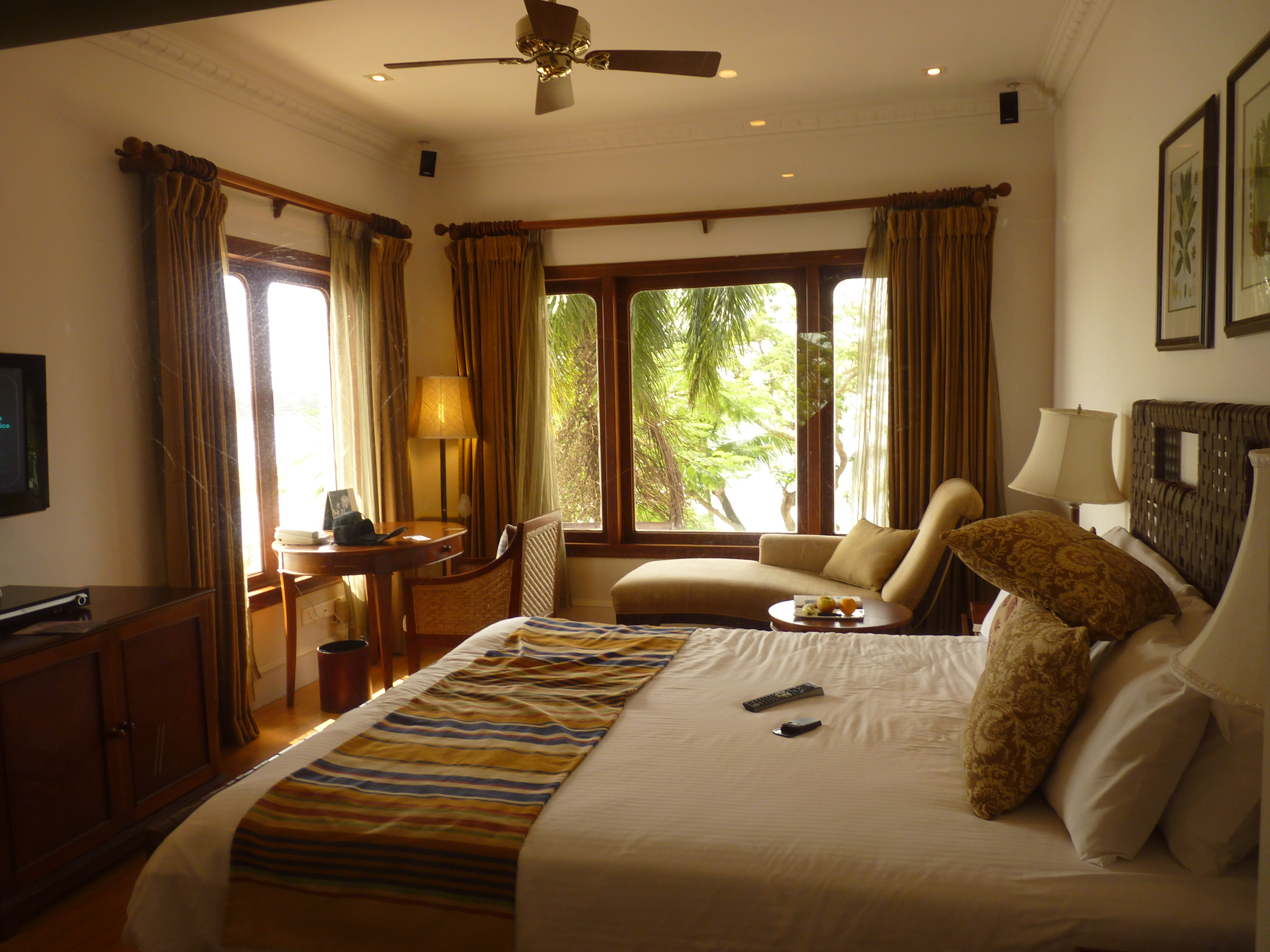
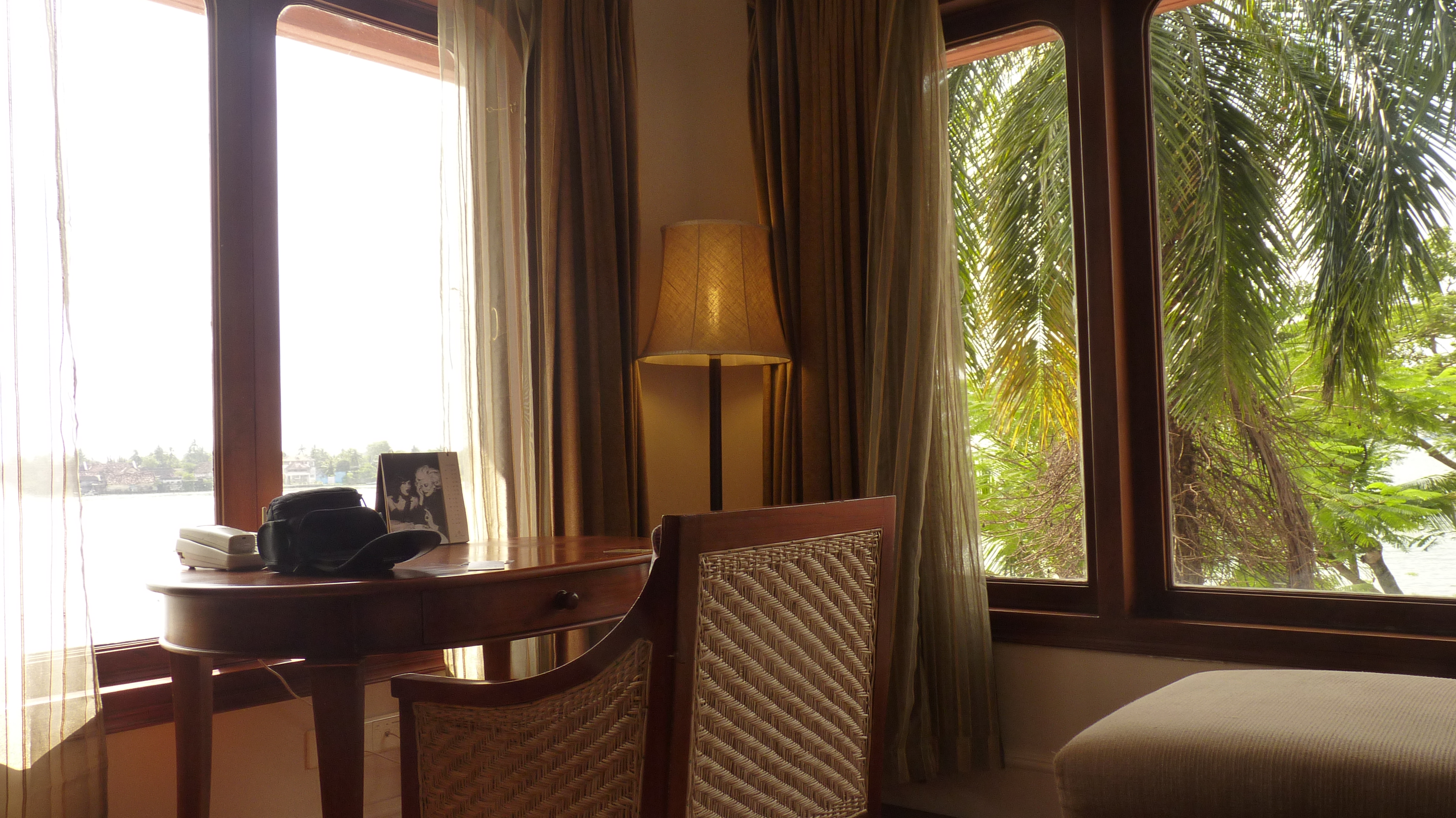
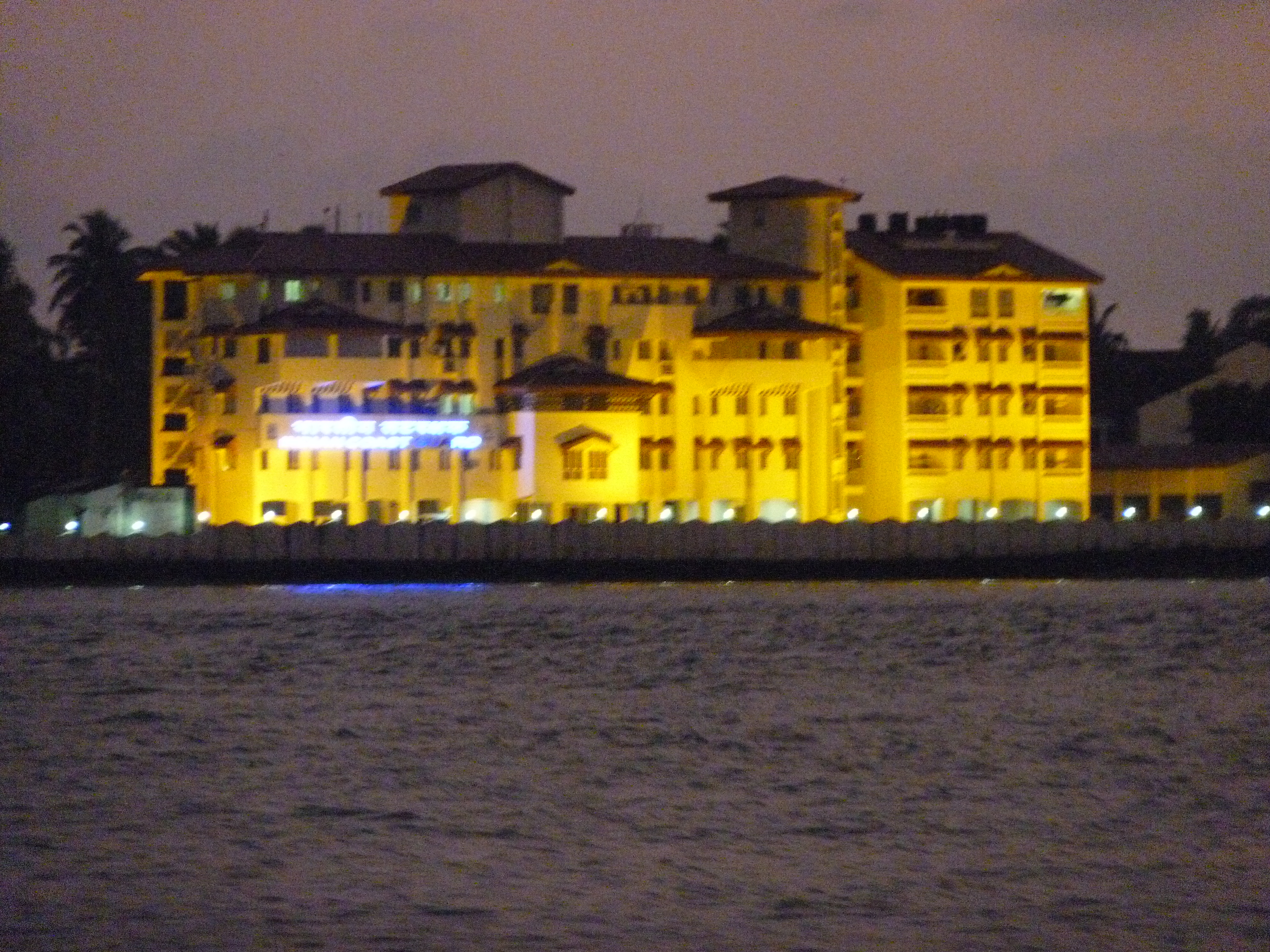
The first time I went to Kochi, I stayed at the lovely Taj Malabar.
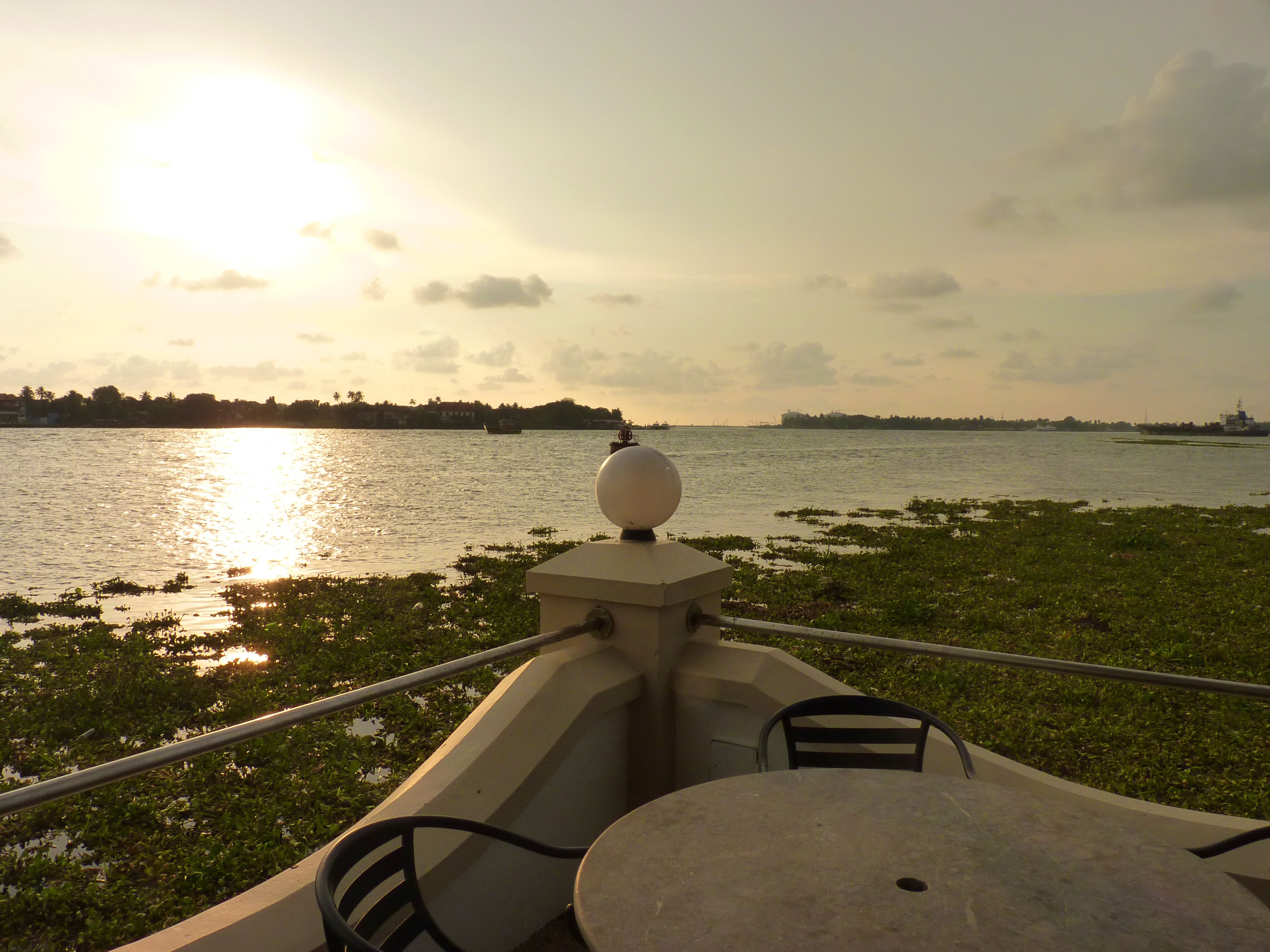
Taj Malabar Kochi: Colonial Elegance Meets Harbor Views
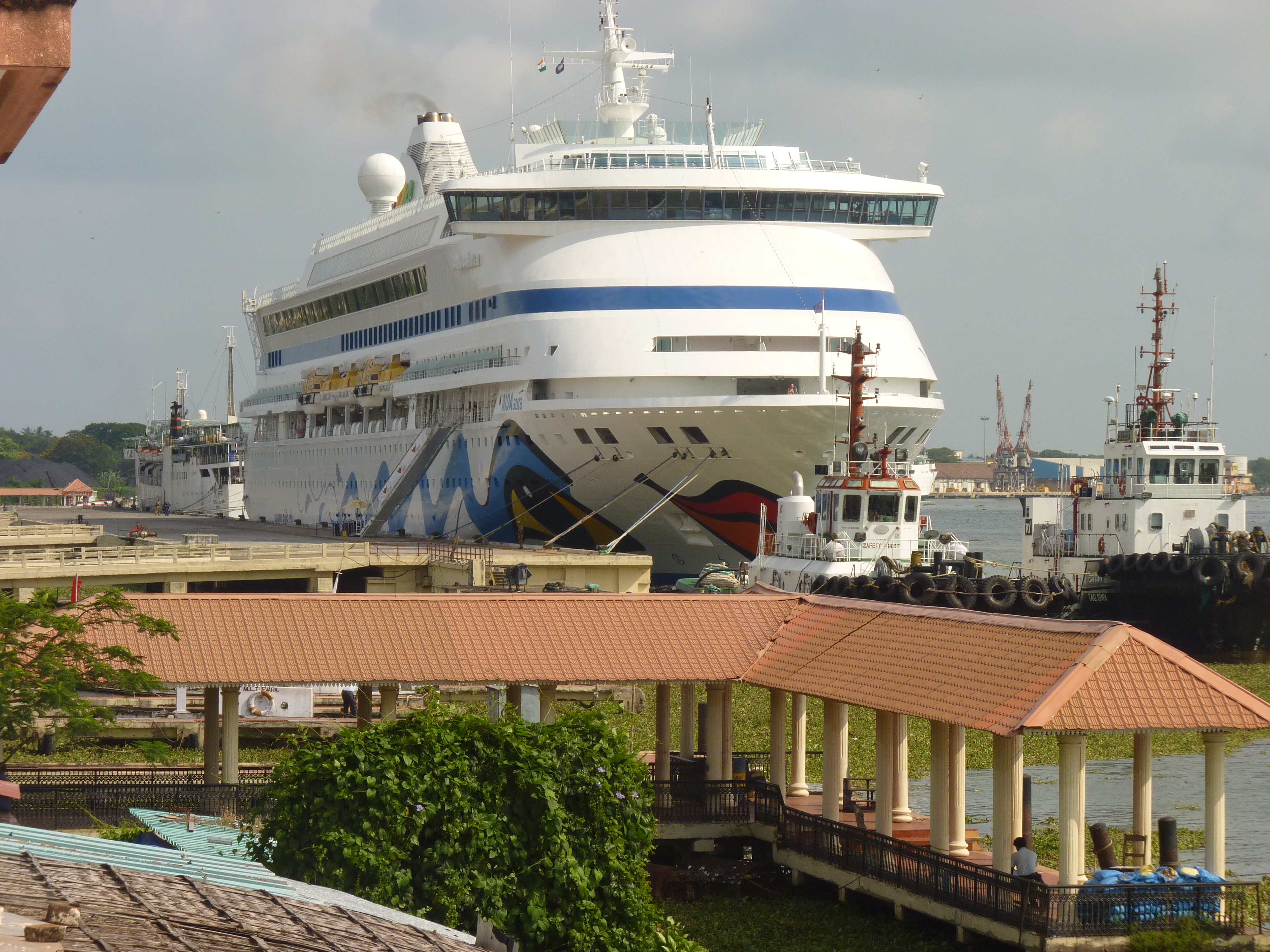
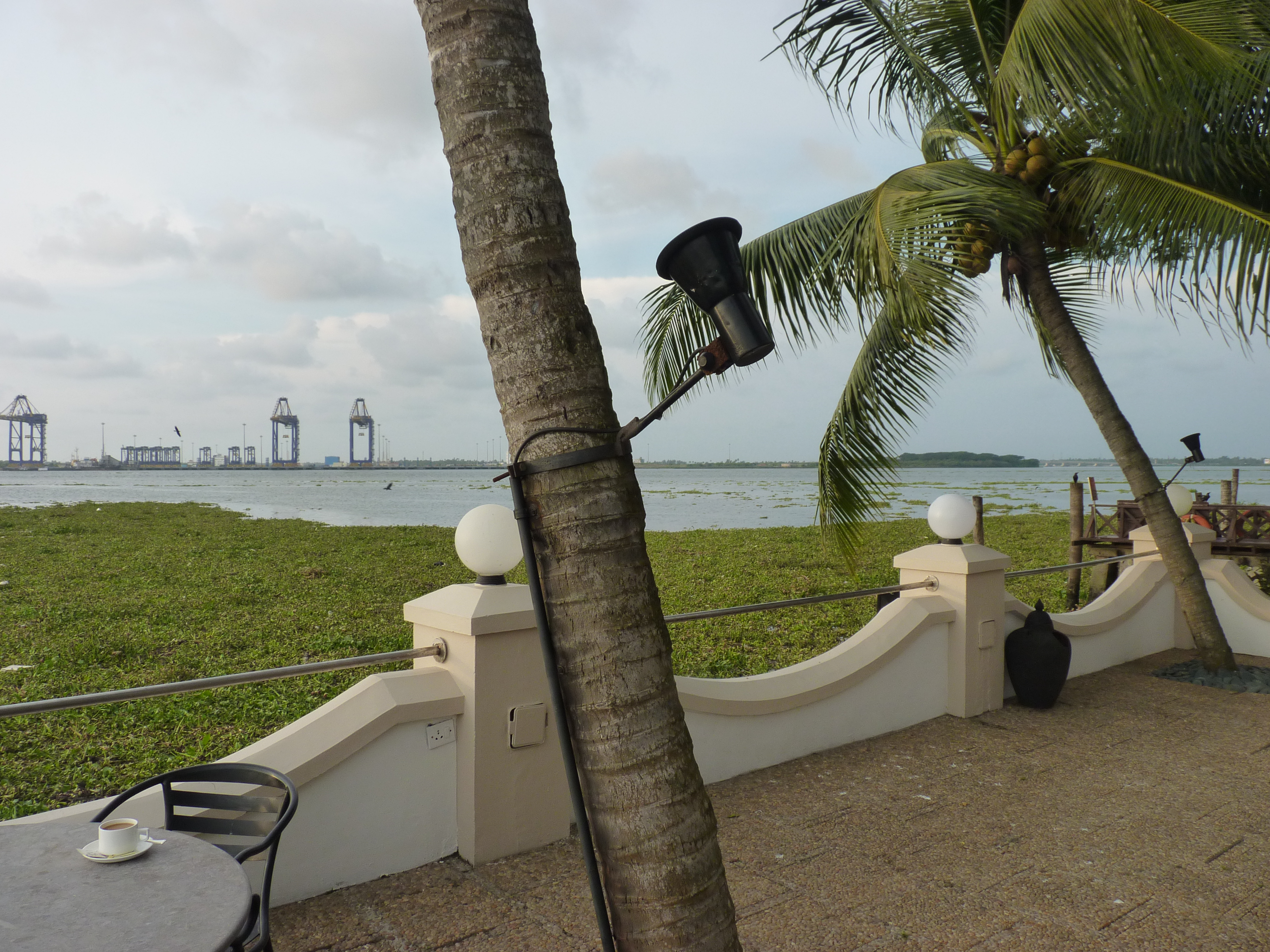
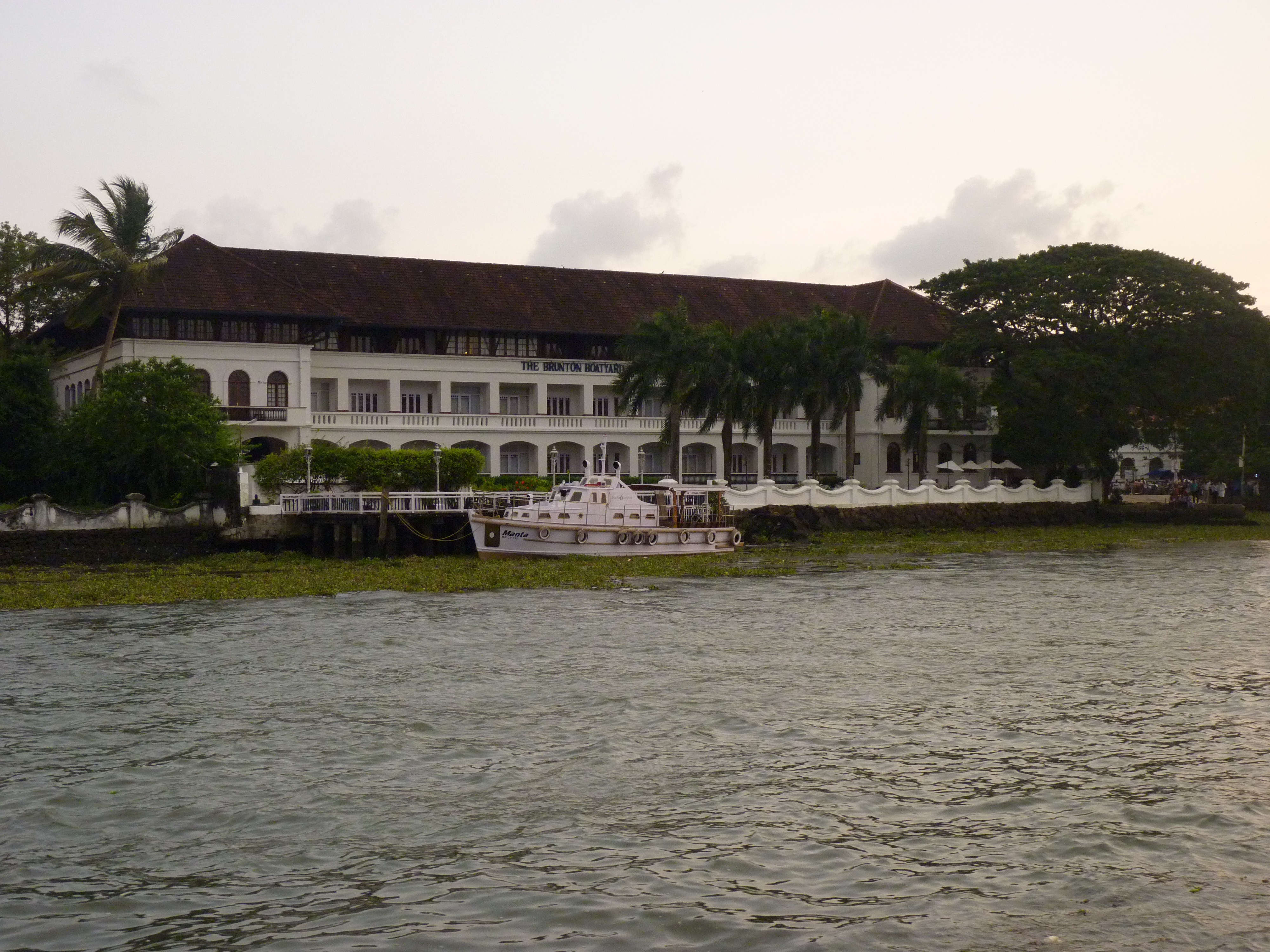
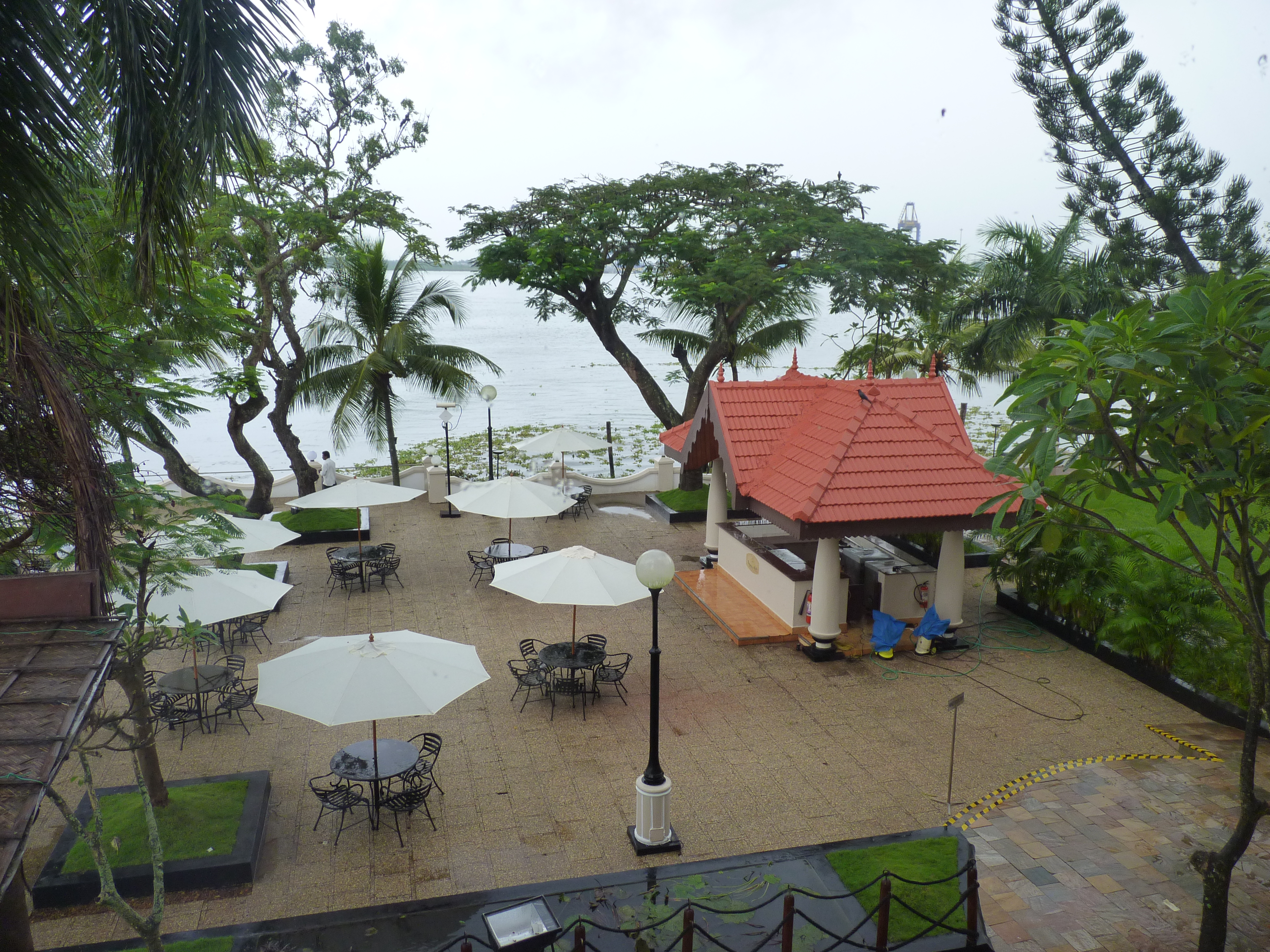
Perched on the scenic Willingdon Island with sweeping views of Kochi’s bustling harbor, the Taj Malabar is where colonial-era grandeur meets contemporary luxury. The hotel’s heritage wing, dating back to 1935, retains its old-world charm with high ceilings, wooden accents, and an elegance that whispers of a time when spice traders and colonial officials walked these halls. Today, it’s seamlessly blended with modern tower wings offering every amenity a traveler could desire—infinity pools overlooking the Arabian Sea, award-winning restaurants serving both traditional Kerala cuisine and international fare.
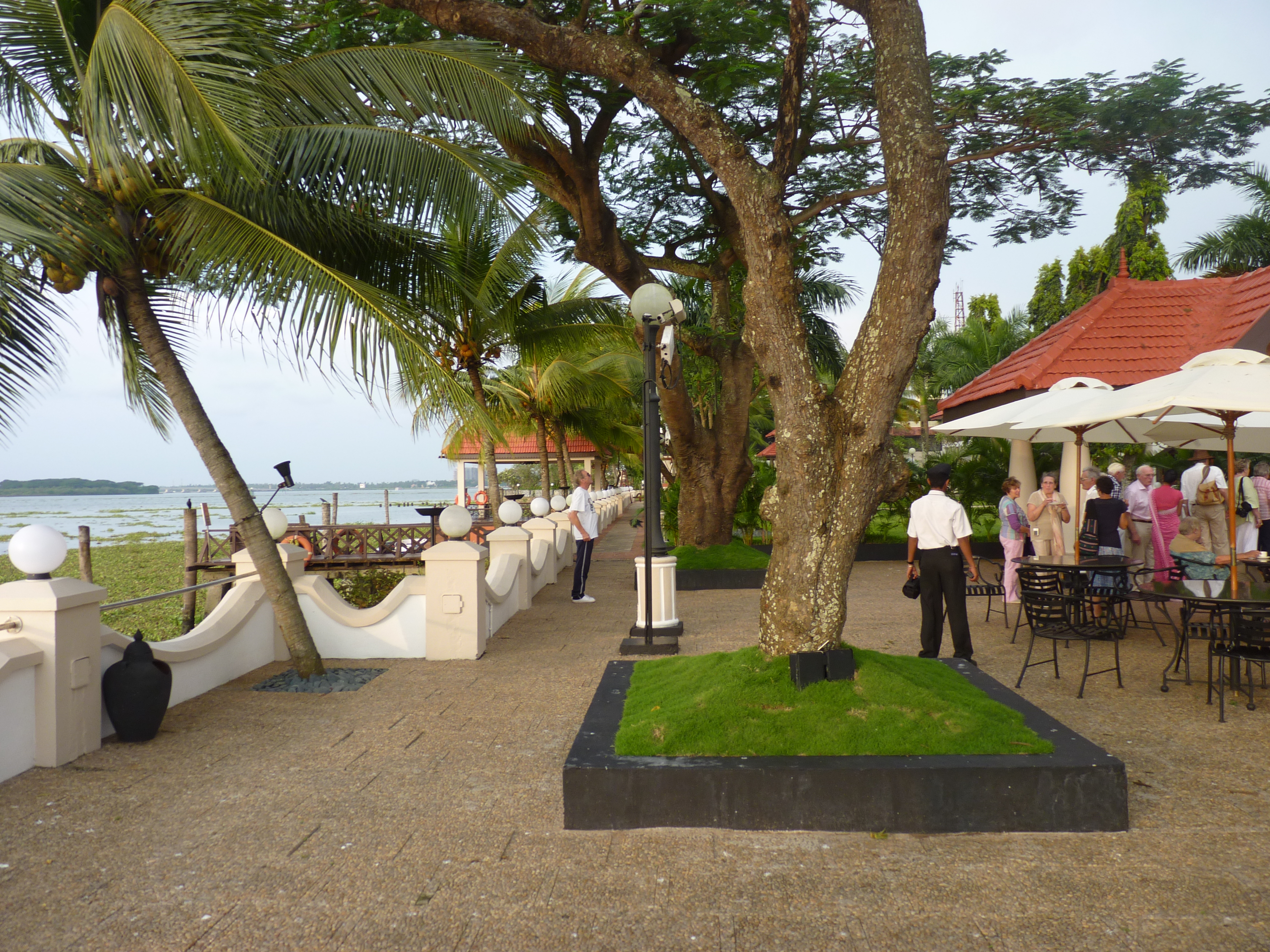
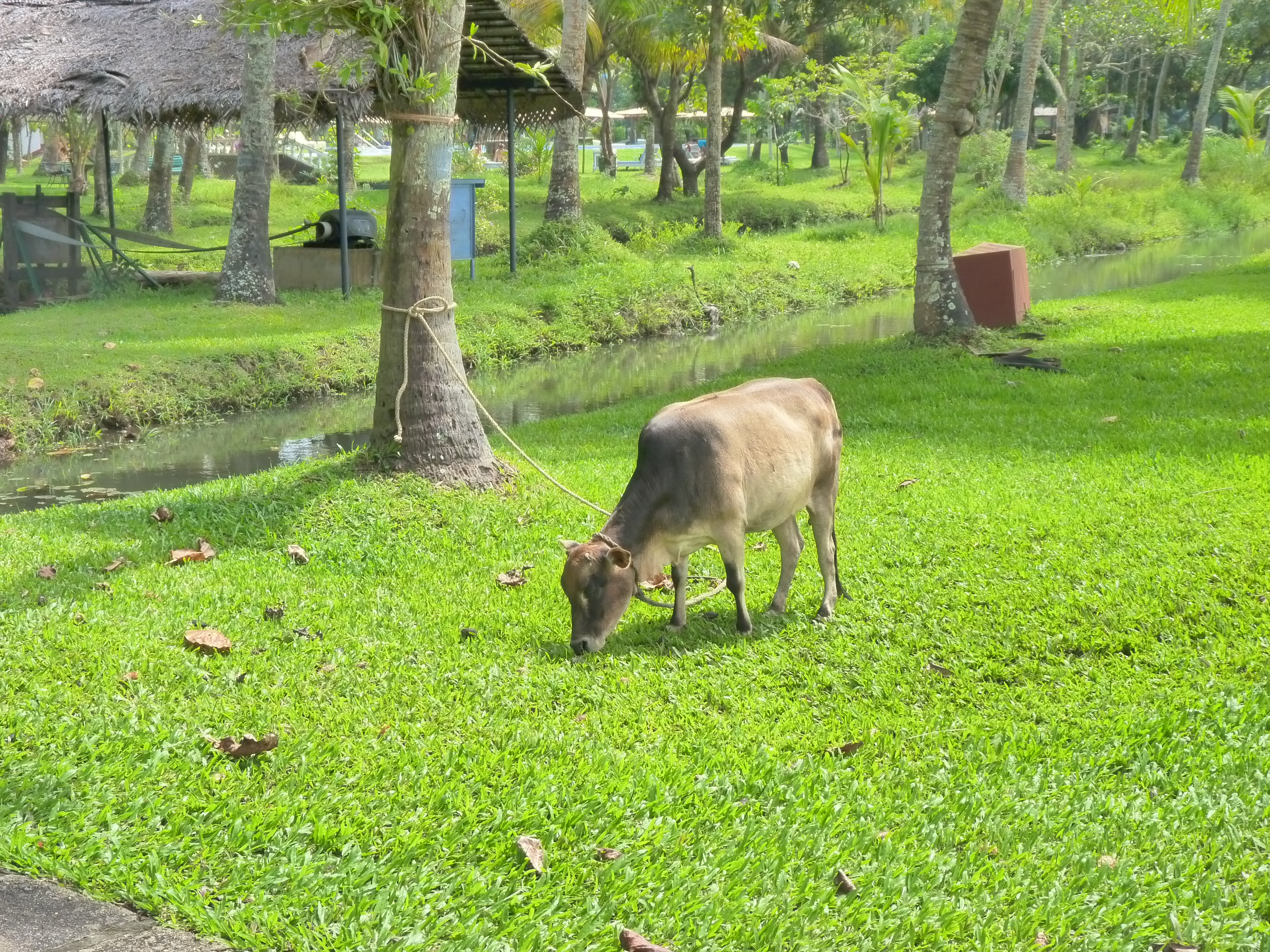
After spending a few days in Kochi, We moved to another beautiful resort, the Coconut Lagoon in Kumarakom .
Coconut Lagoon Kumarakom: A Heritage Hideaway on the Backwaters
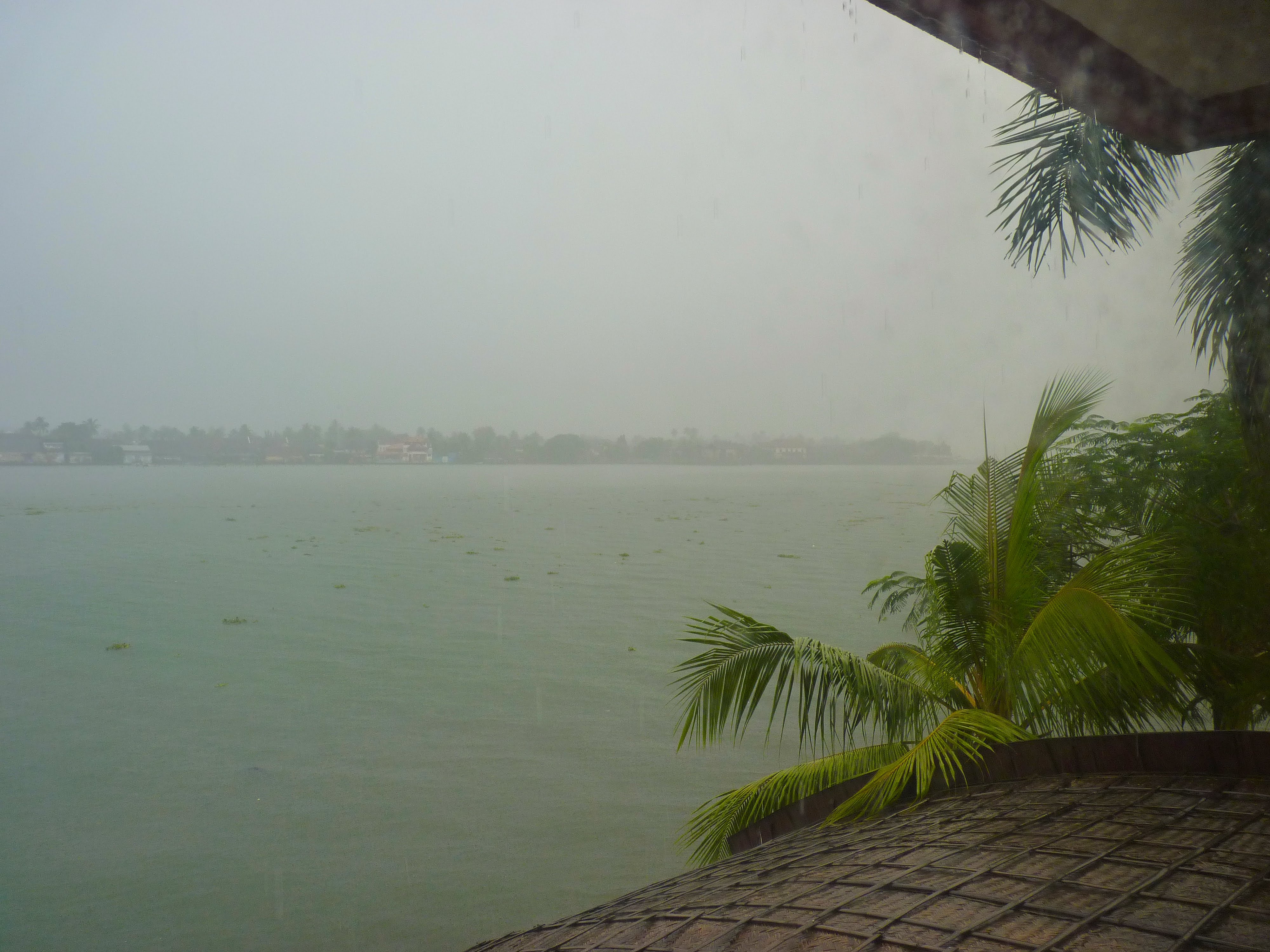
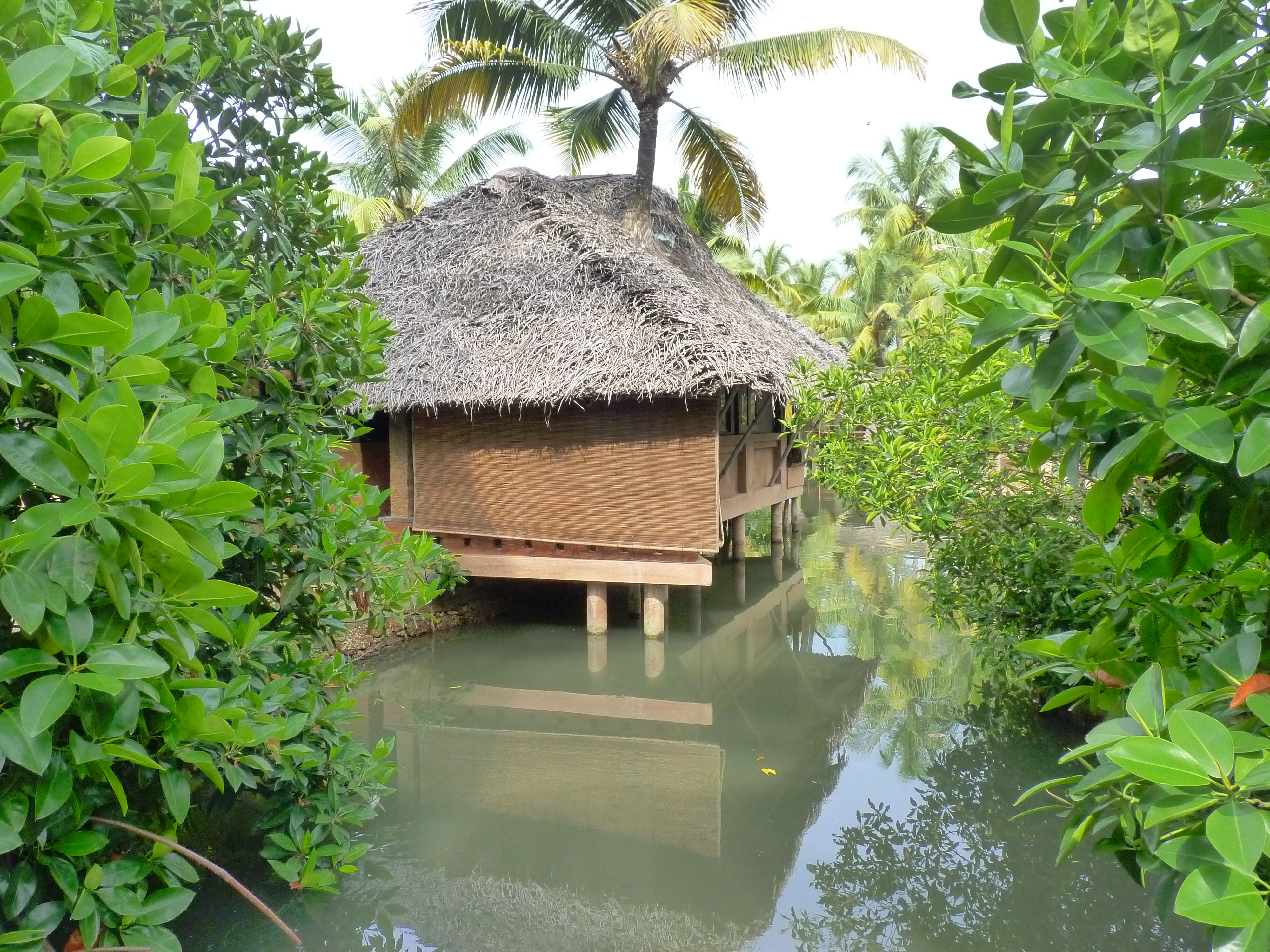
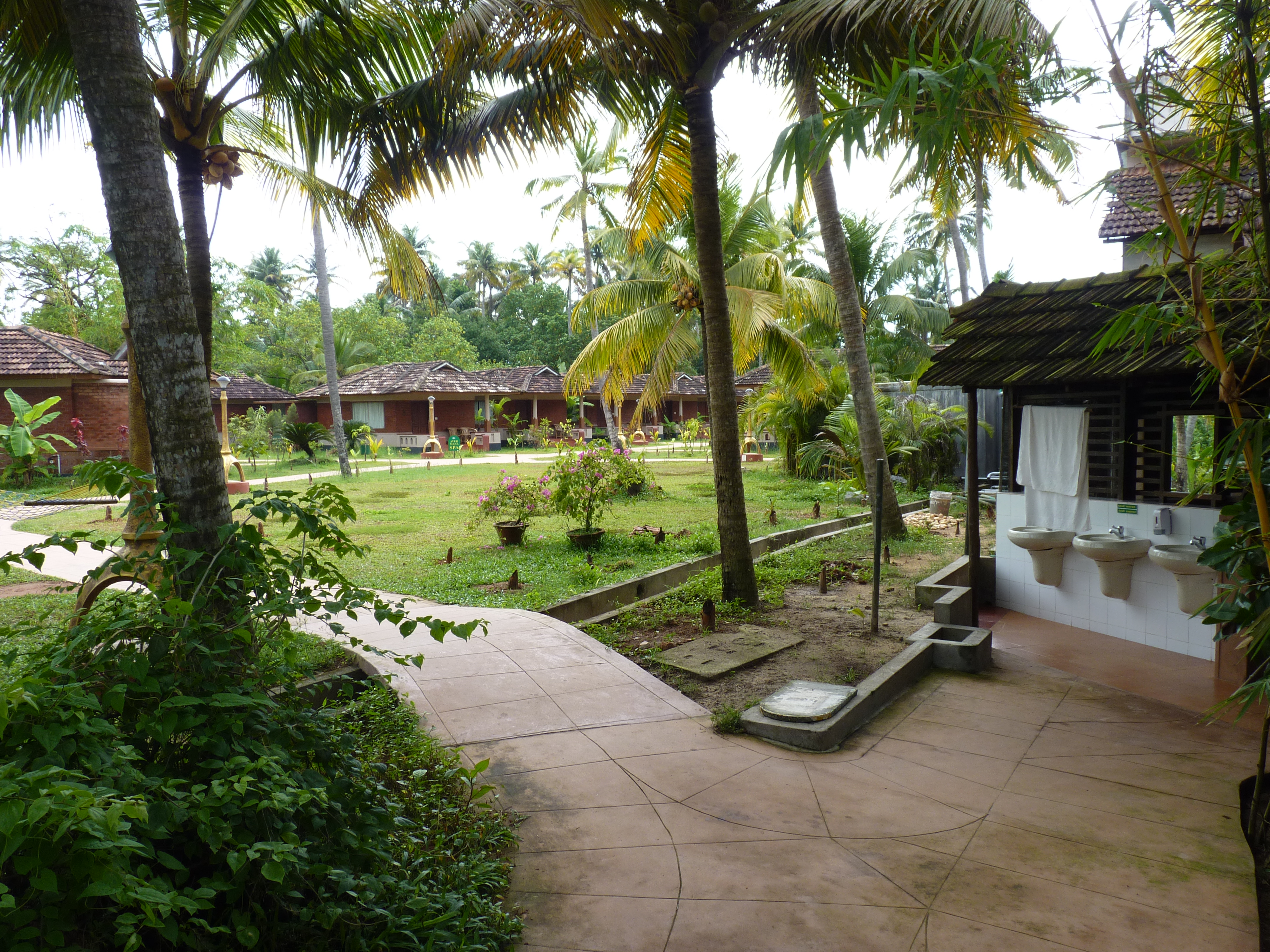
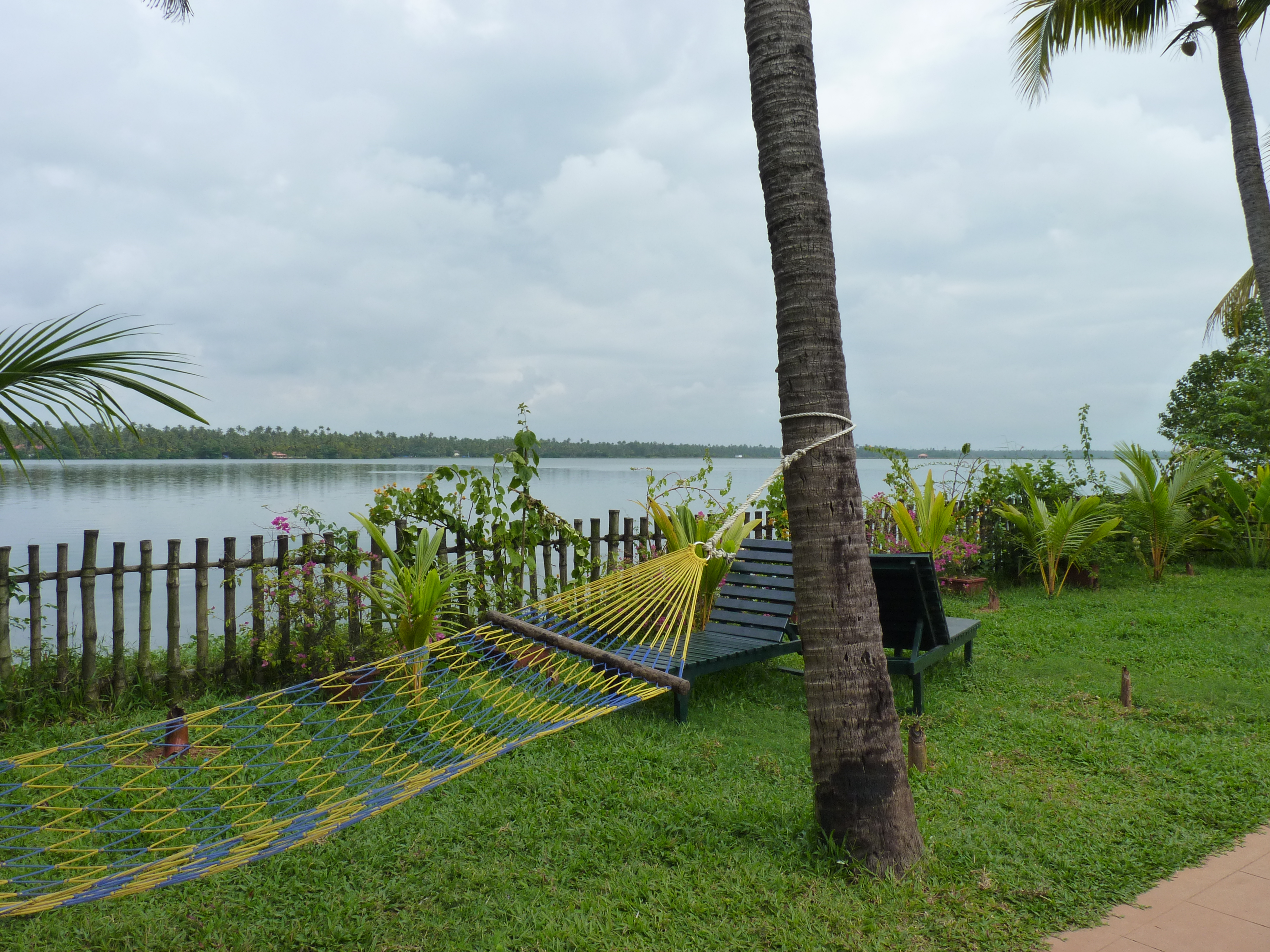
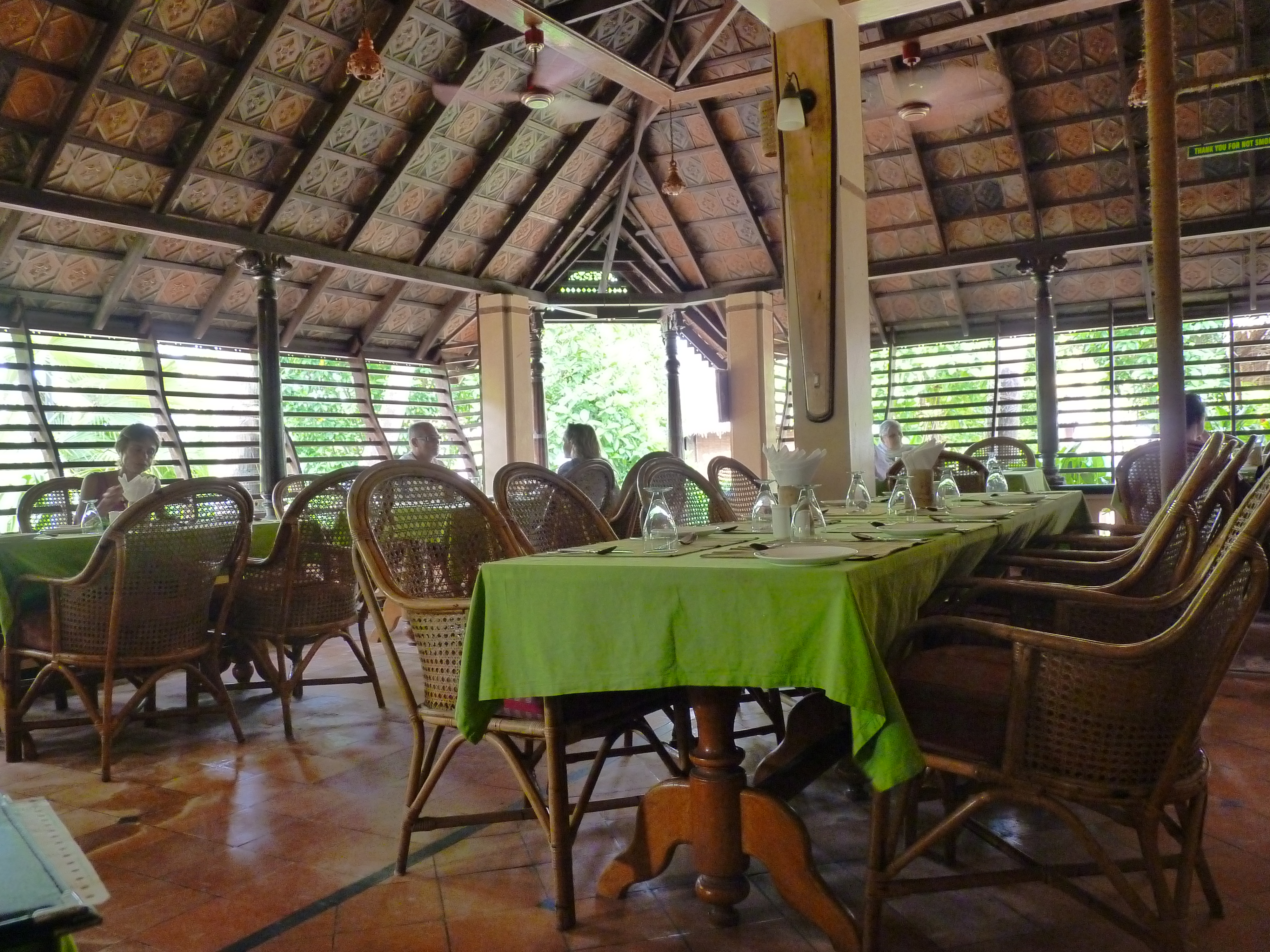
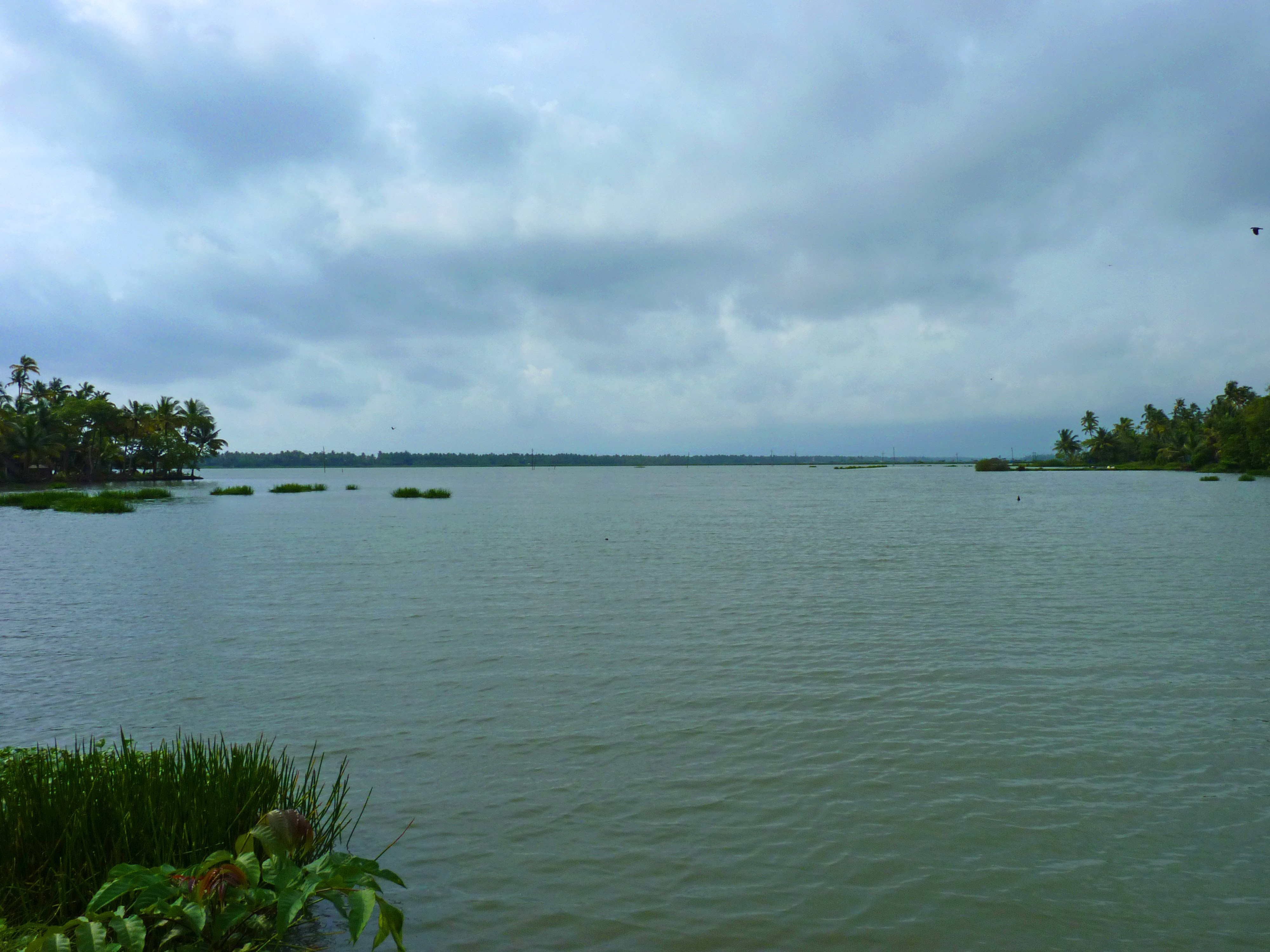
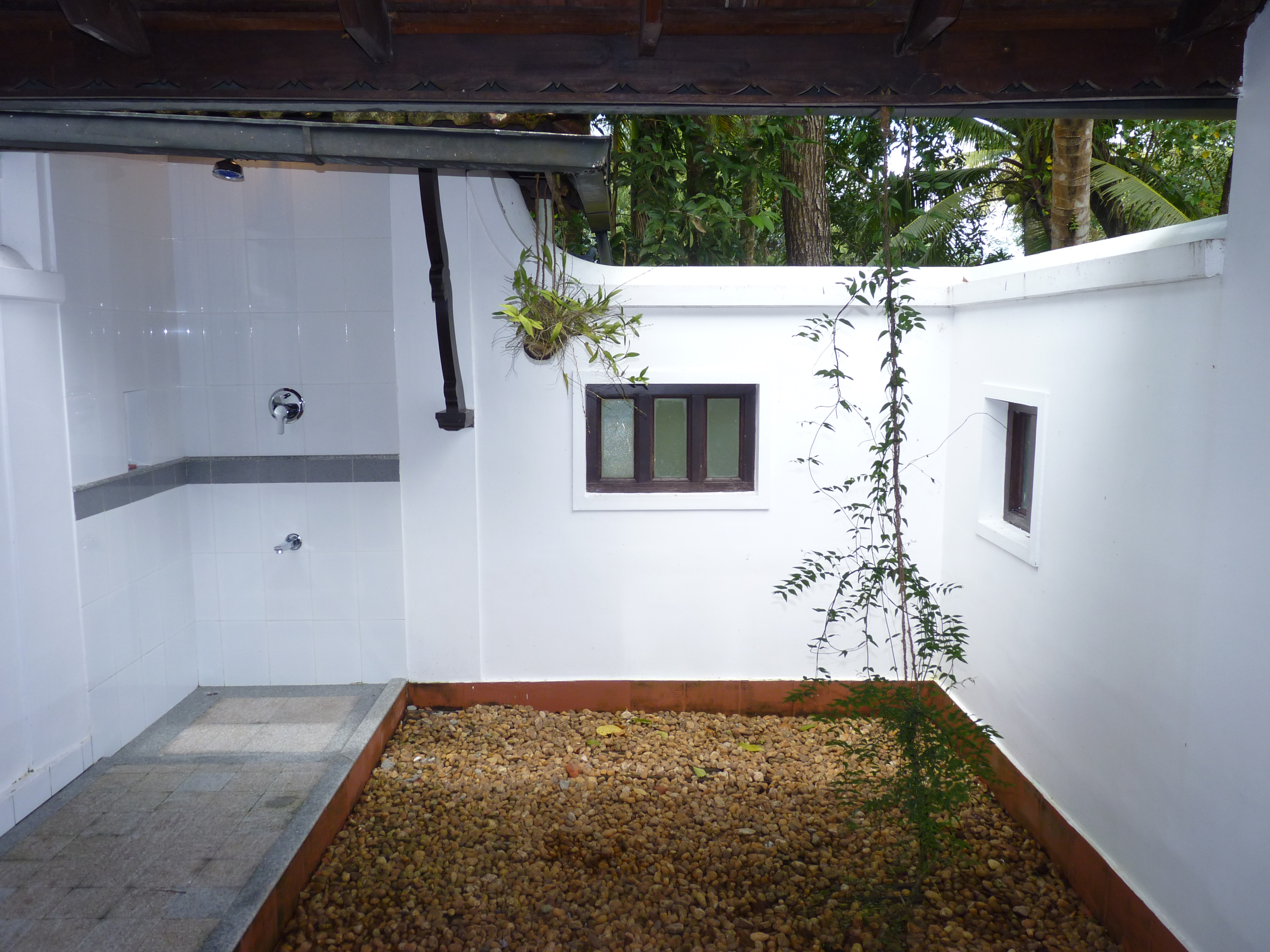
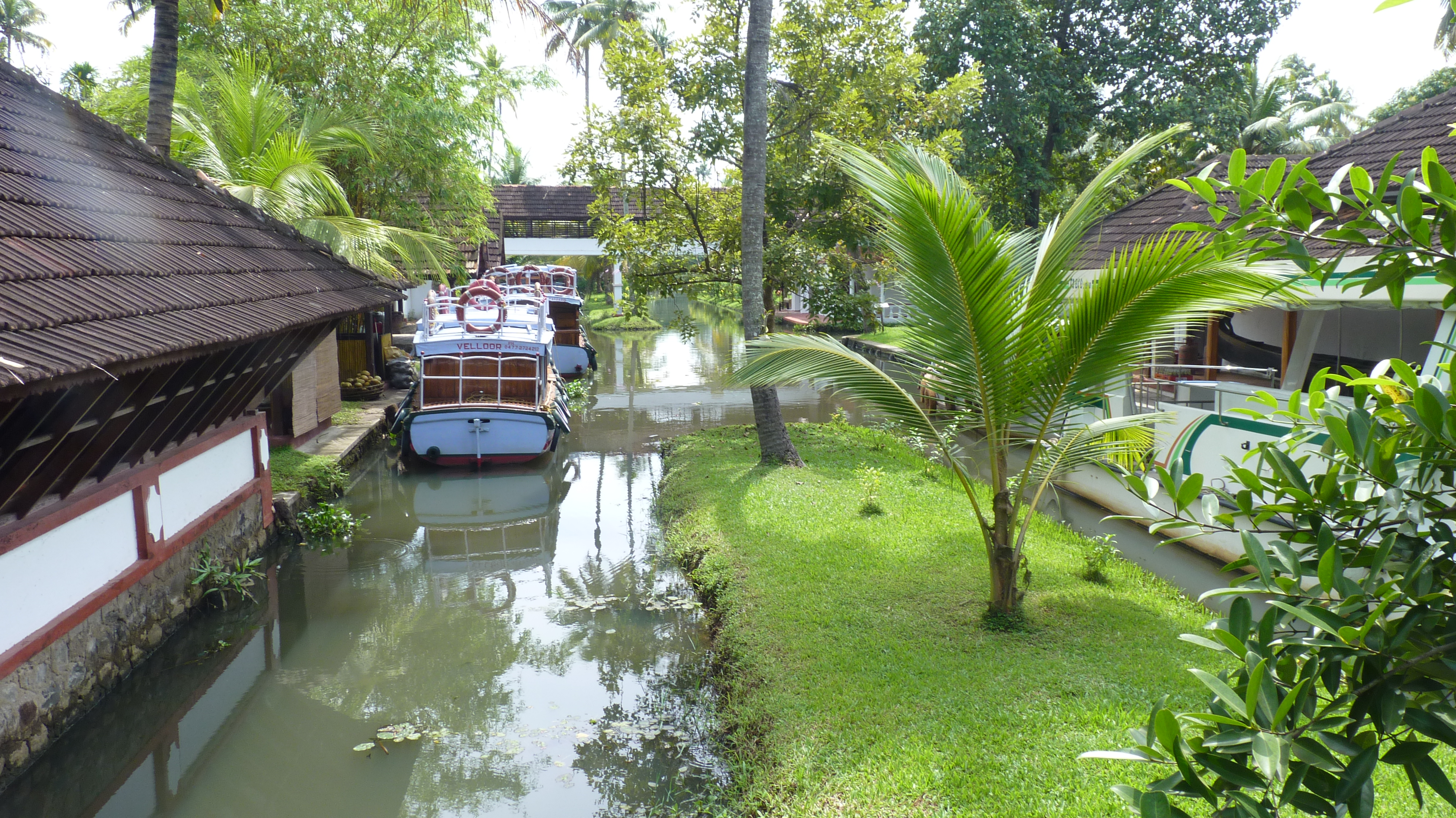
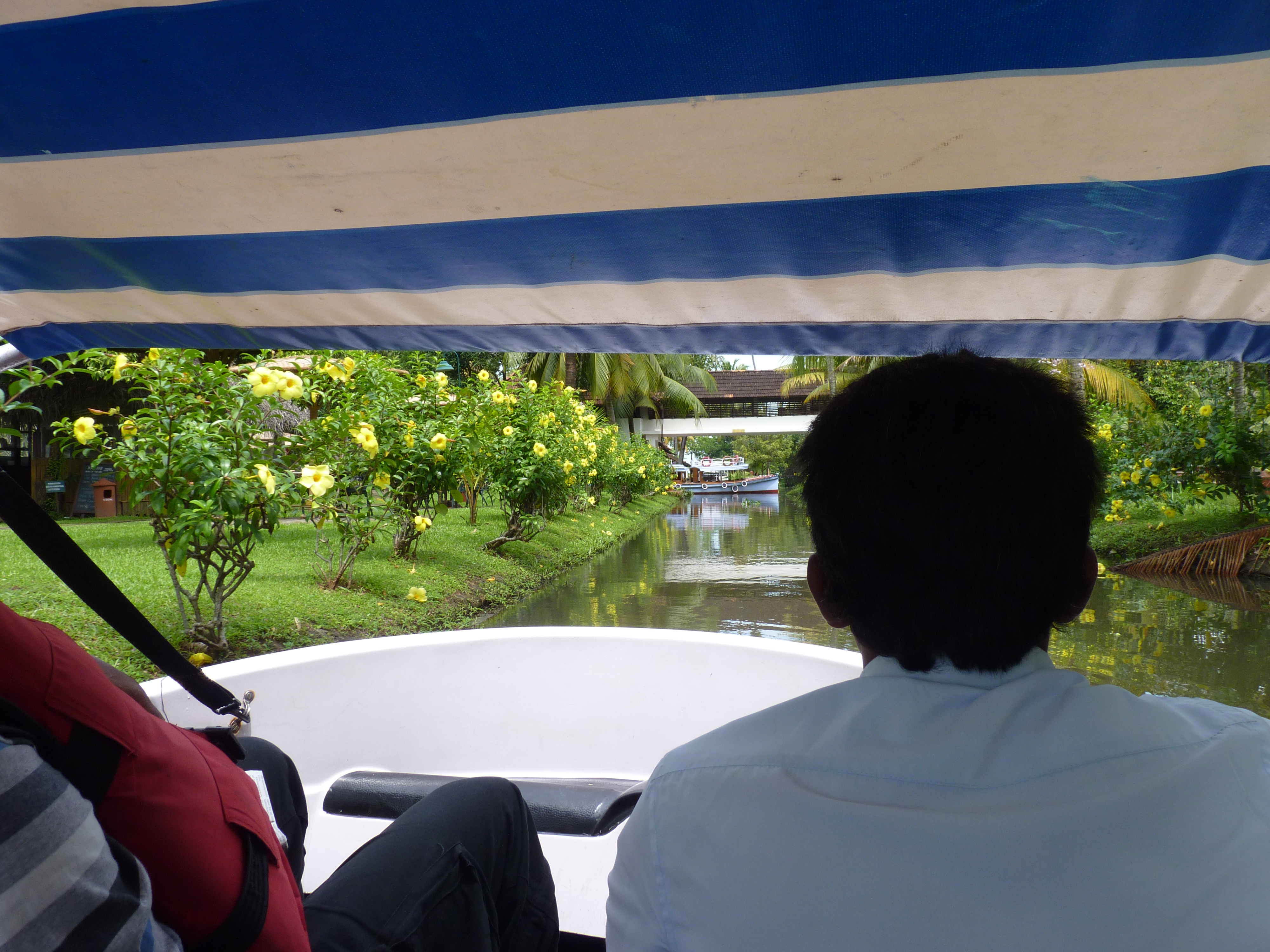
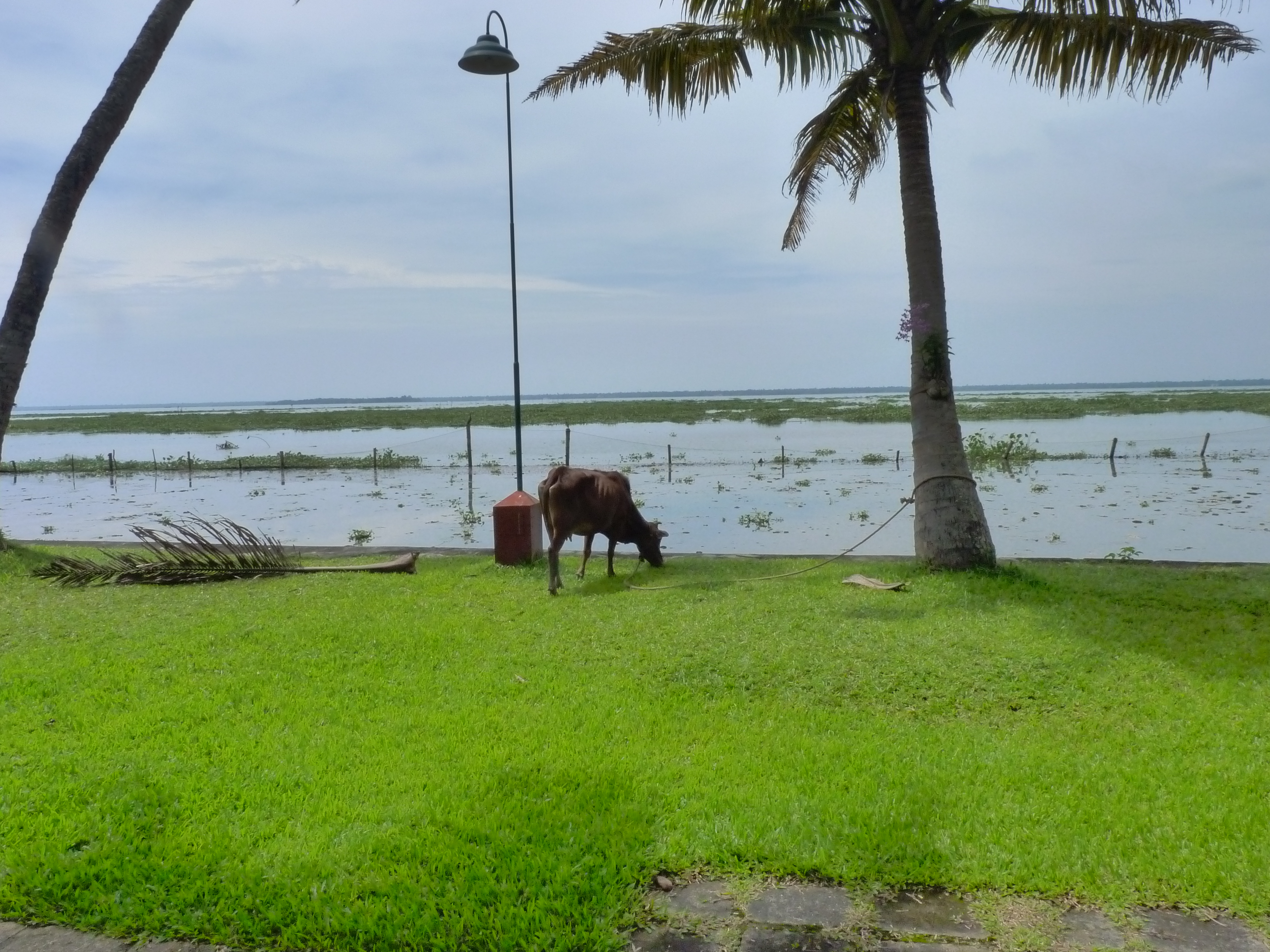
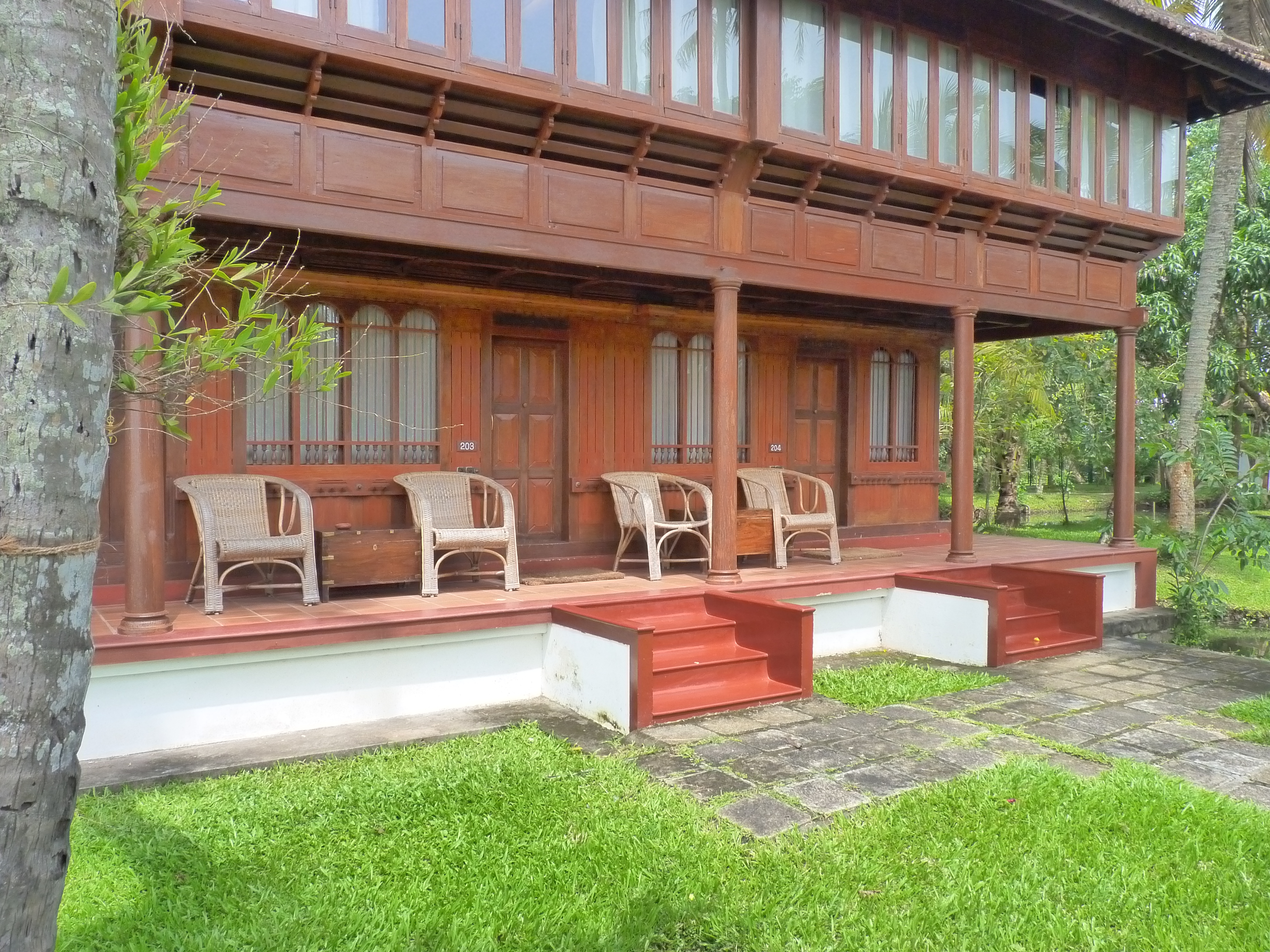
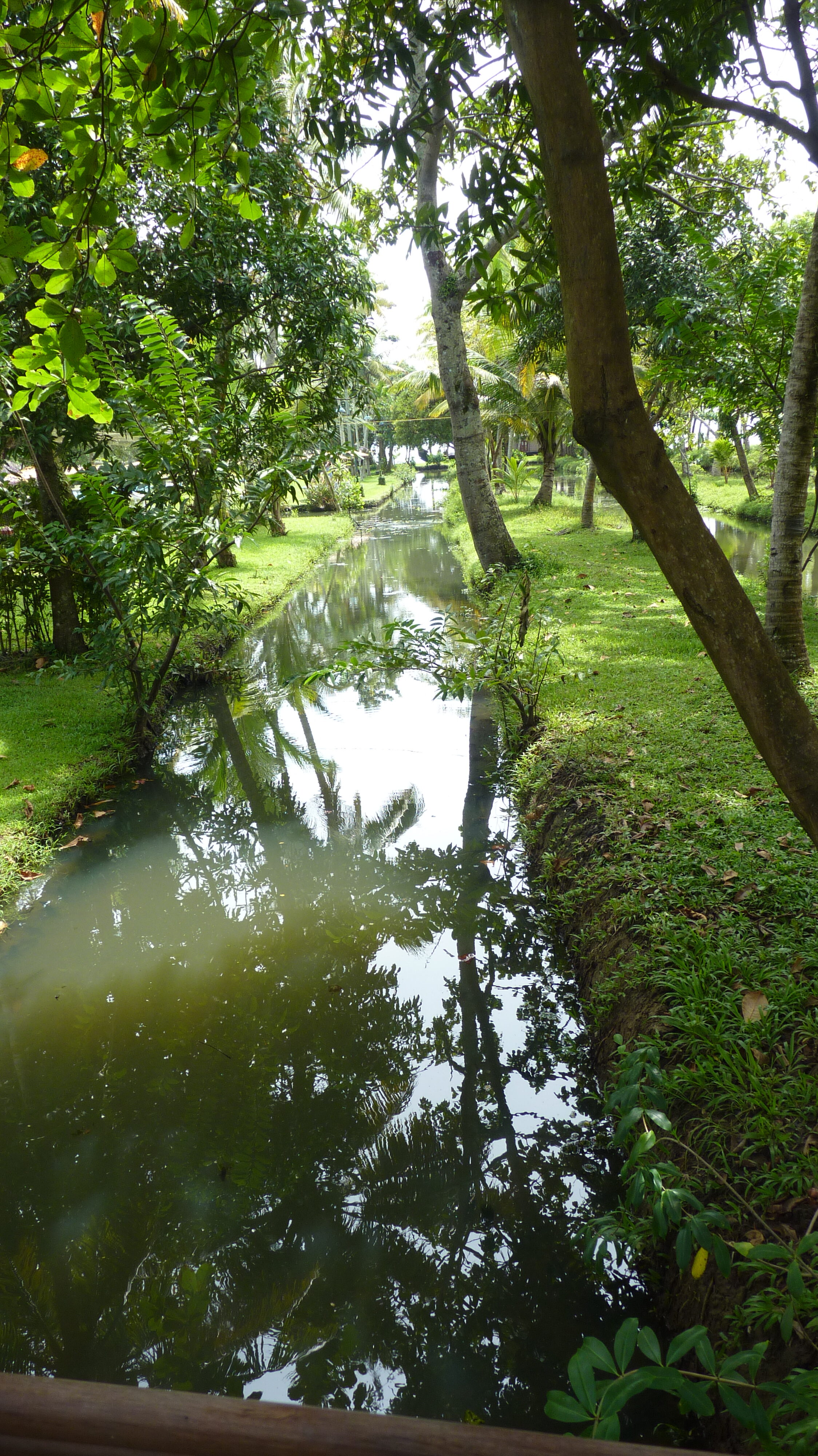
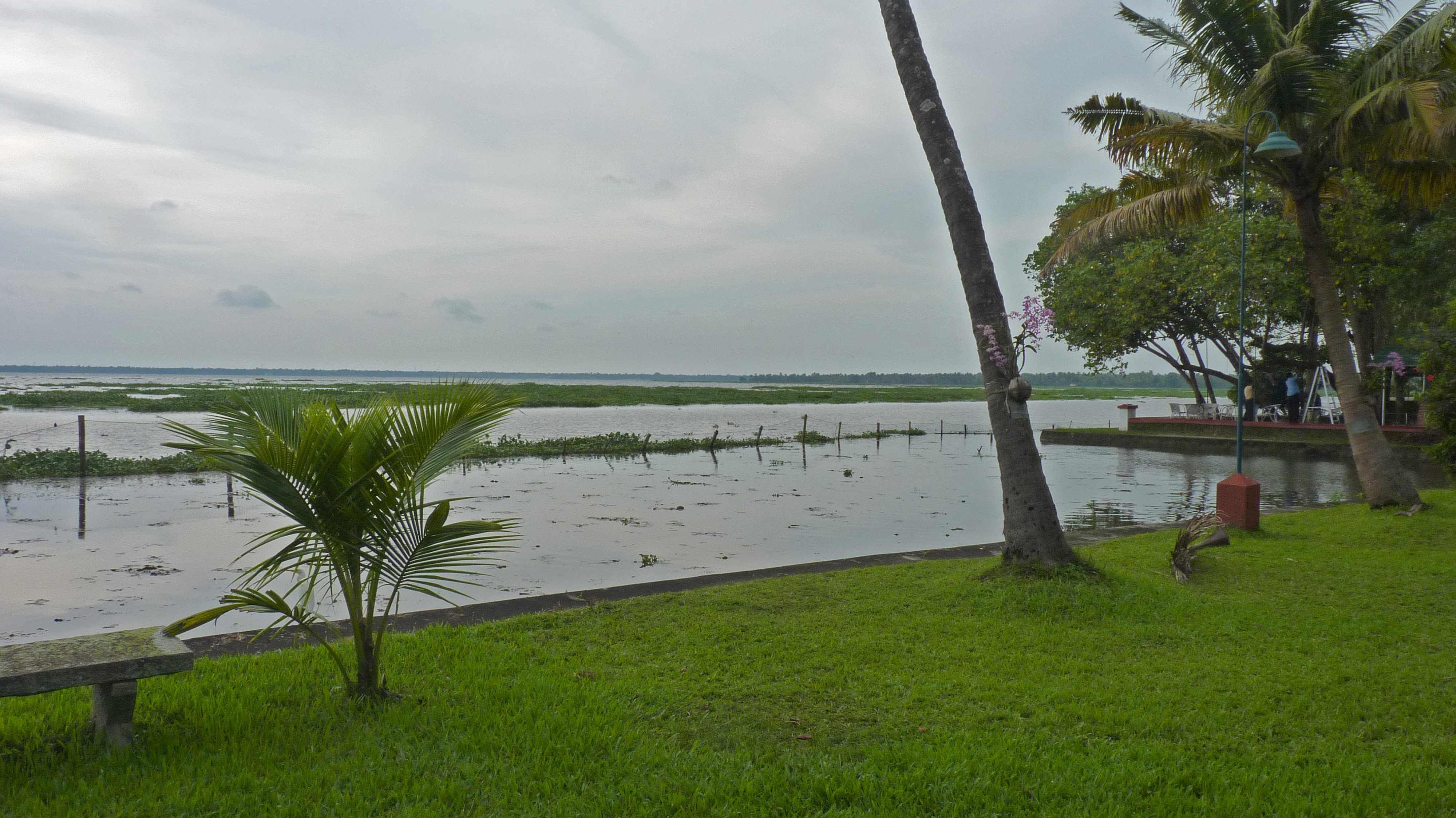
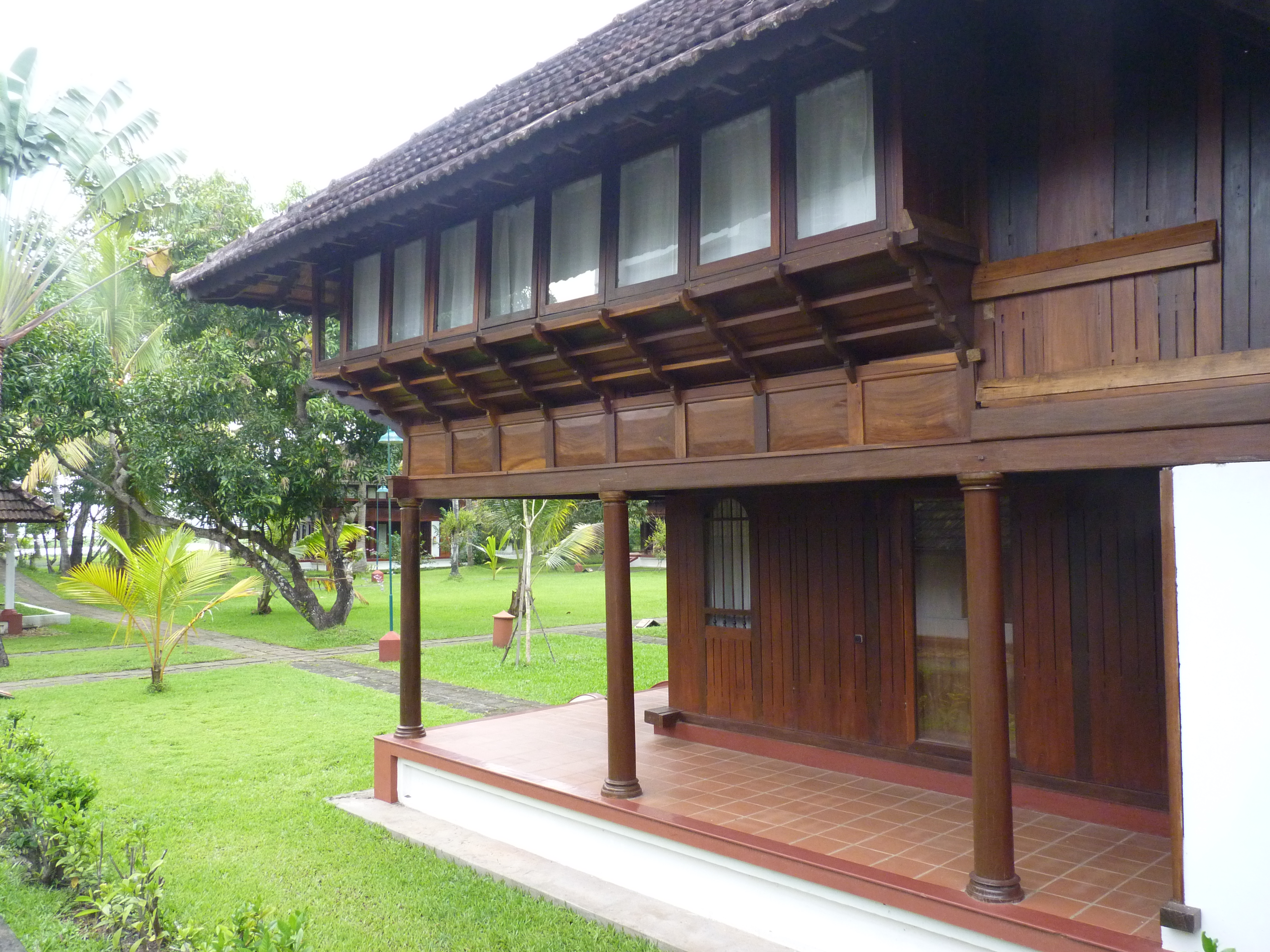
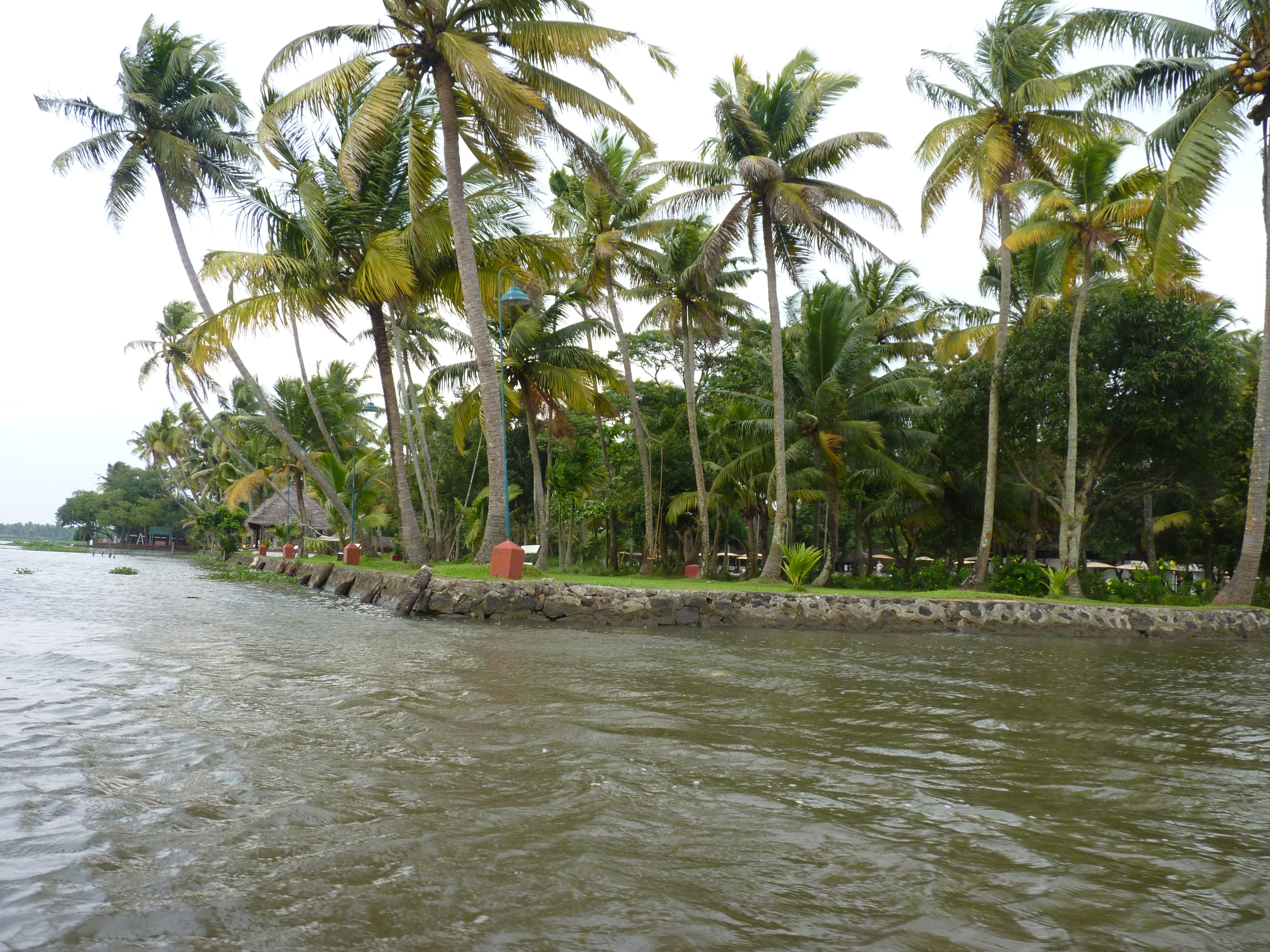
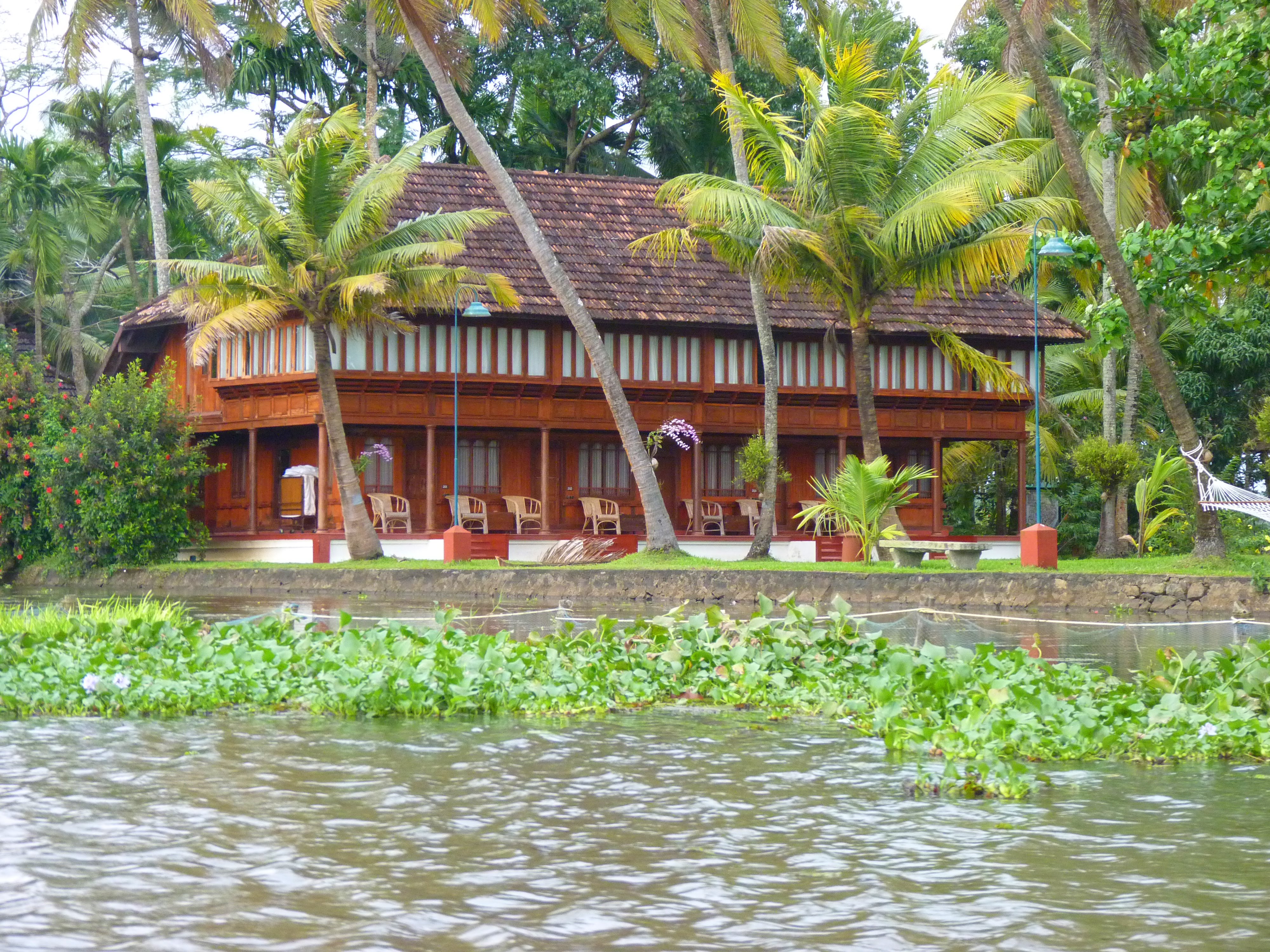
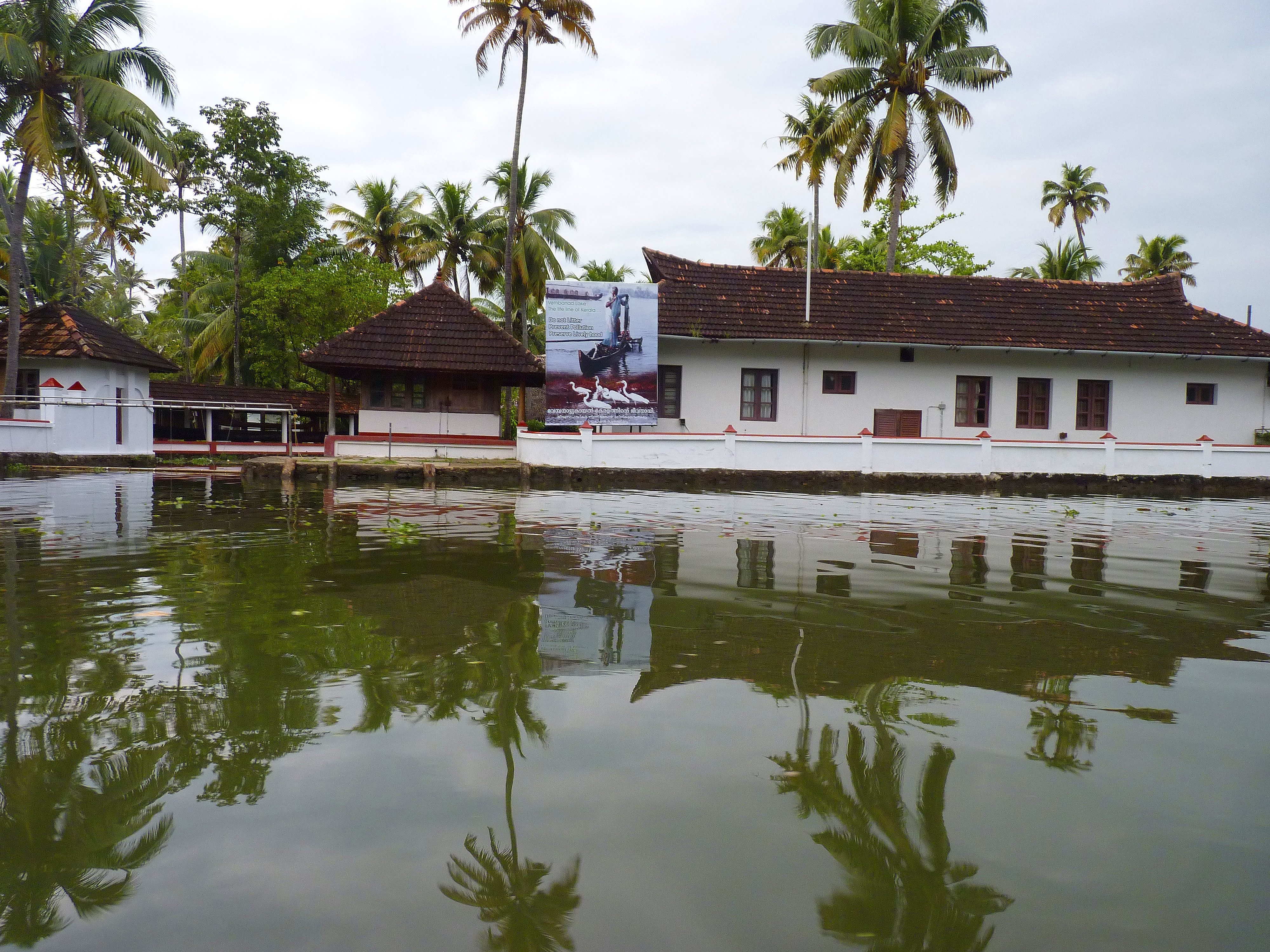
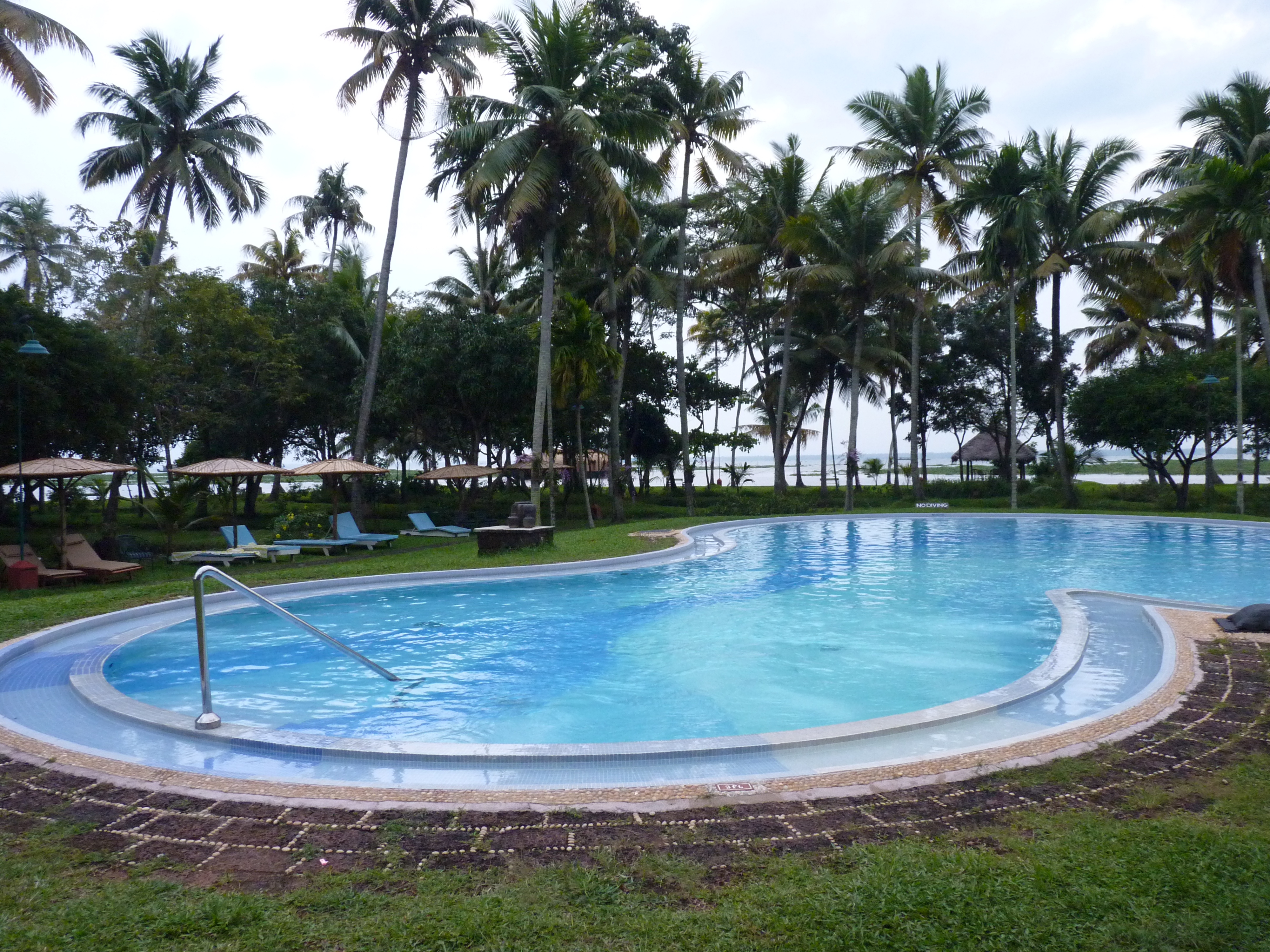
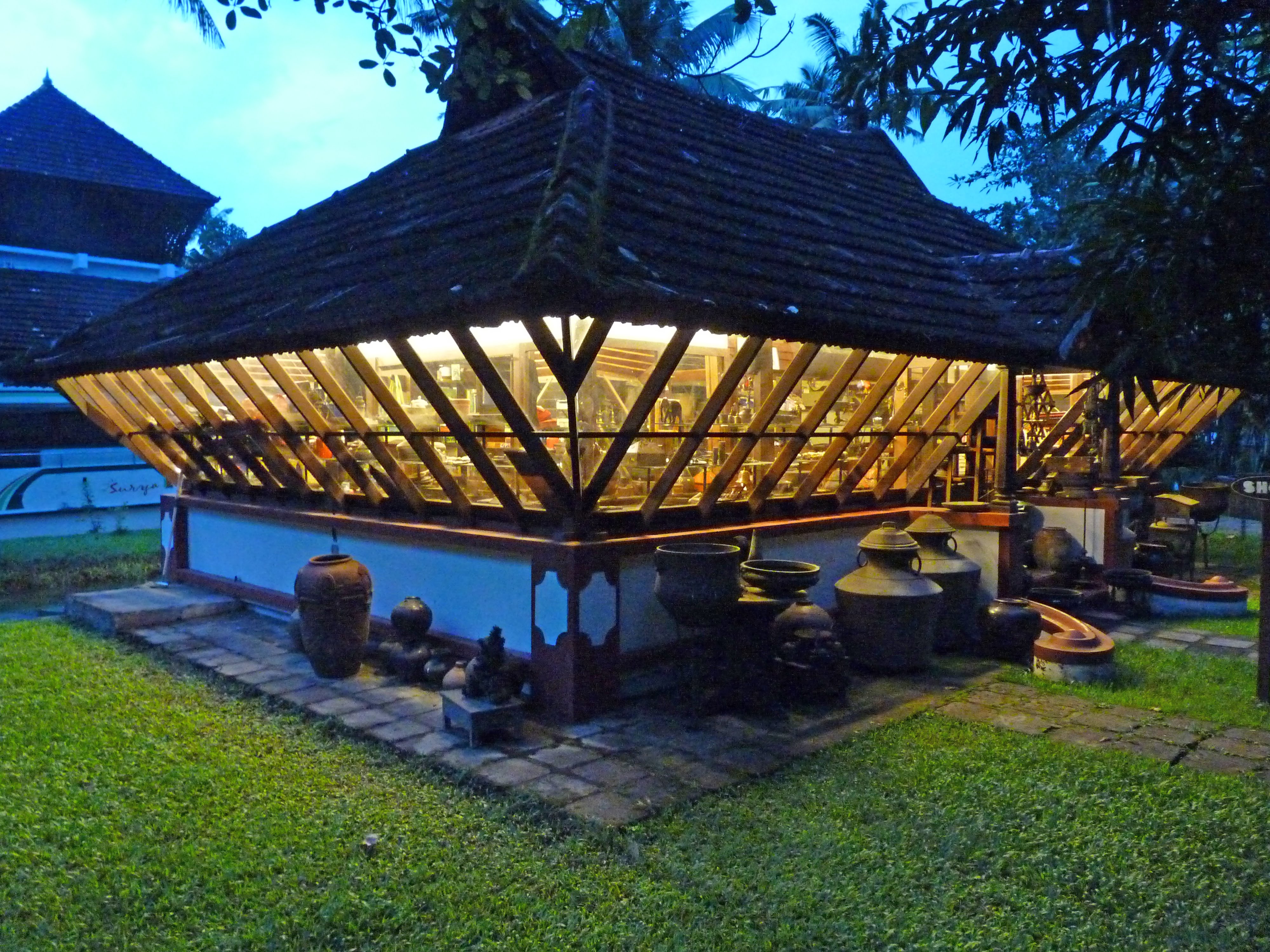
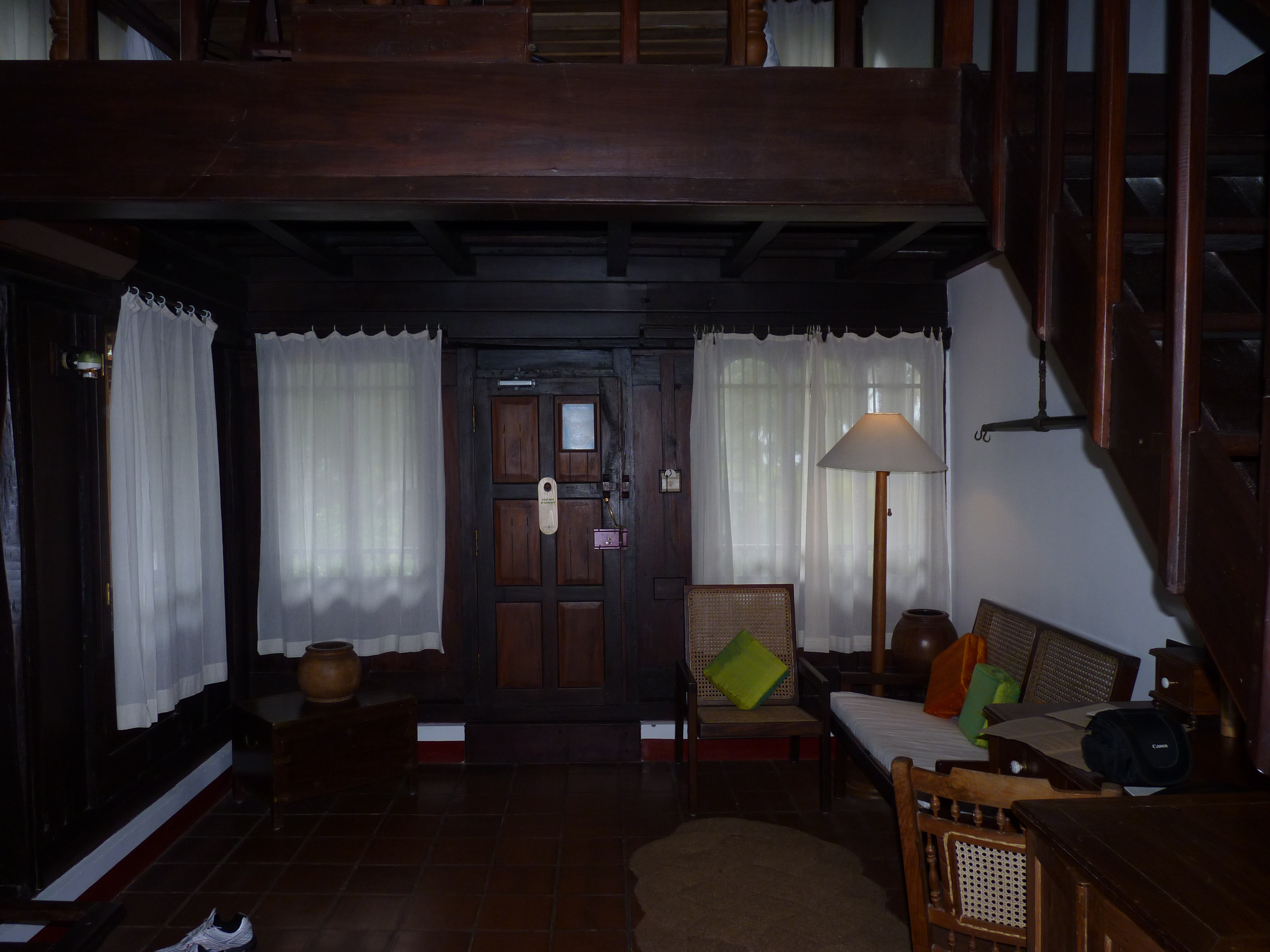
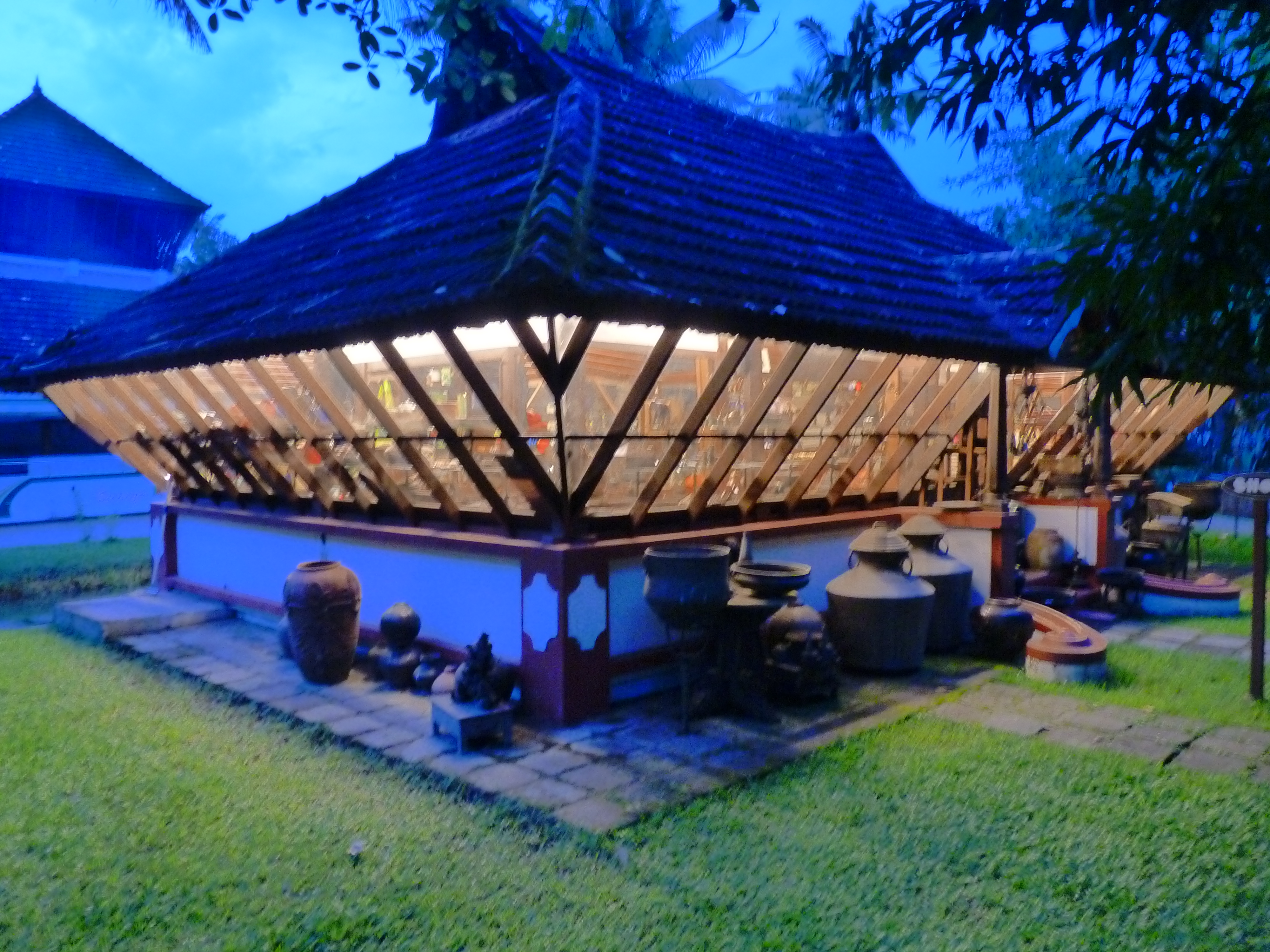 Accessible only by boat, Coconut Lagoon is less a hotel and more a journey back in time—a meticulously restored village of traditional Kerala homes scattered across lush grounds along Vembanad Lake. Each heritage bungalow was carefully dismantled from its original location across Kerala and lovingly rebuilt here, complete with carved wooden pillars, sloping tiled roofs, and open courtyards that blur the line between indoors and out. The resort embraces sustainable tourism with organic farming, traditional fishing methods you can try yourself, and Ayurvedic treatments in a floating spa pavilion. Dining here means Kerala cuisine prepared with ingredients plucked from the property’s own gardens and cooked in clay pots over wood fires.
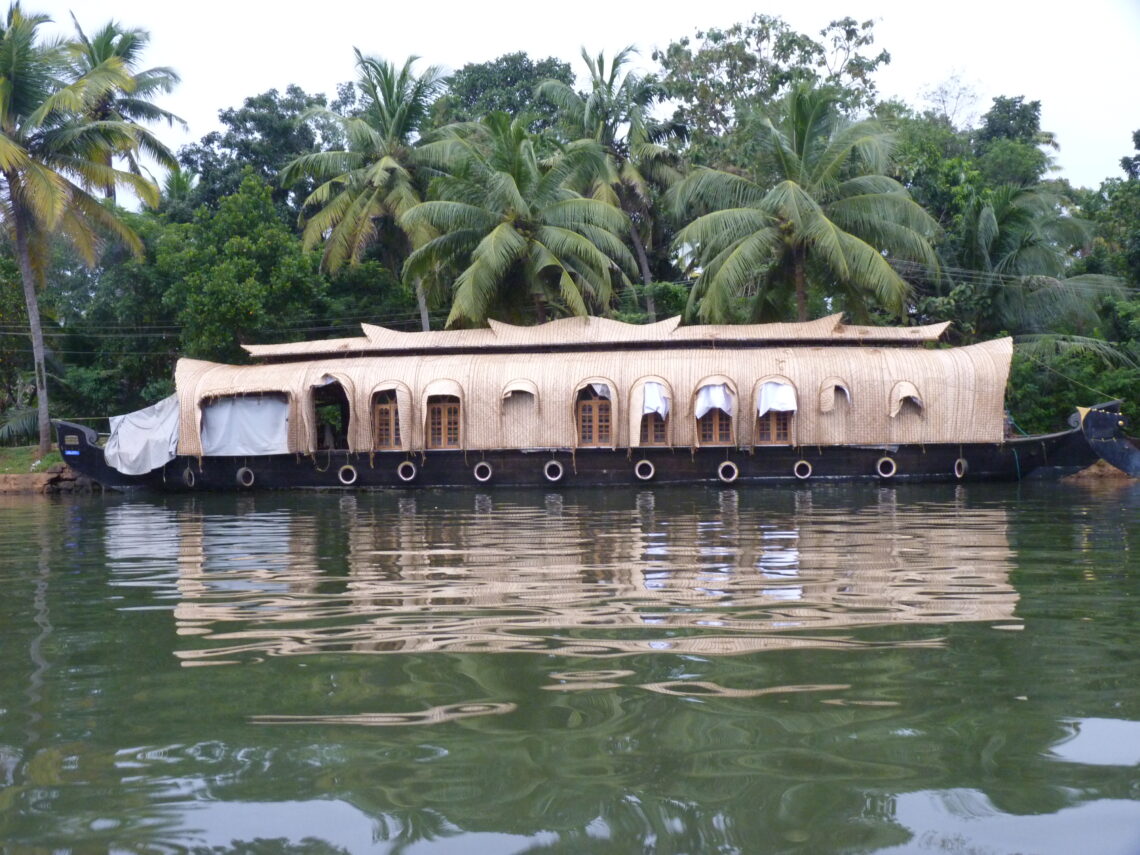
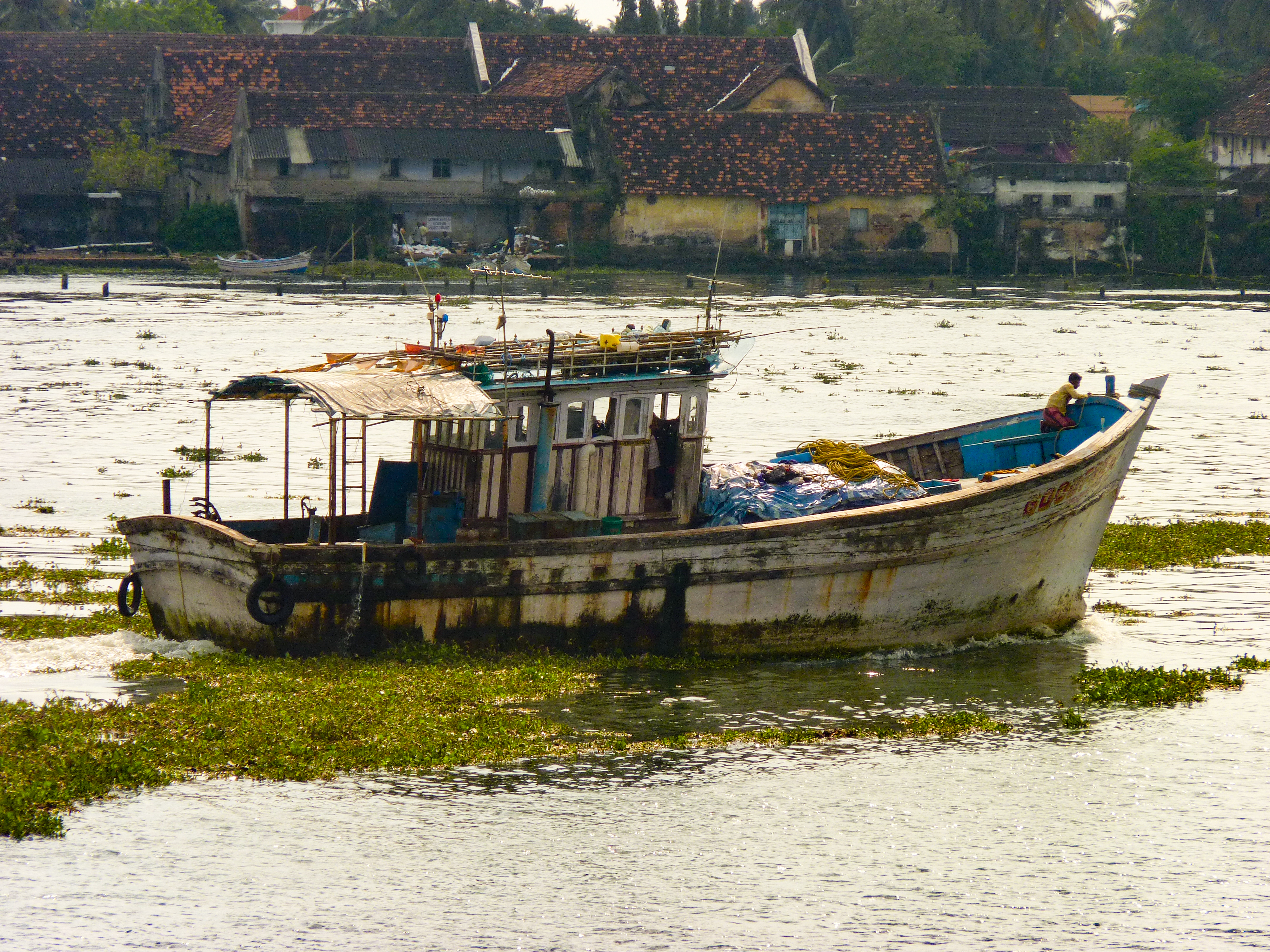
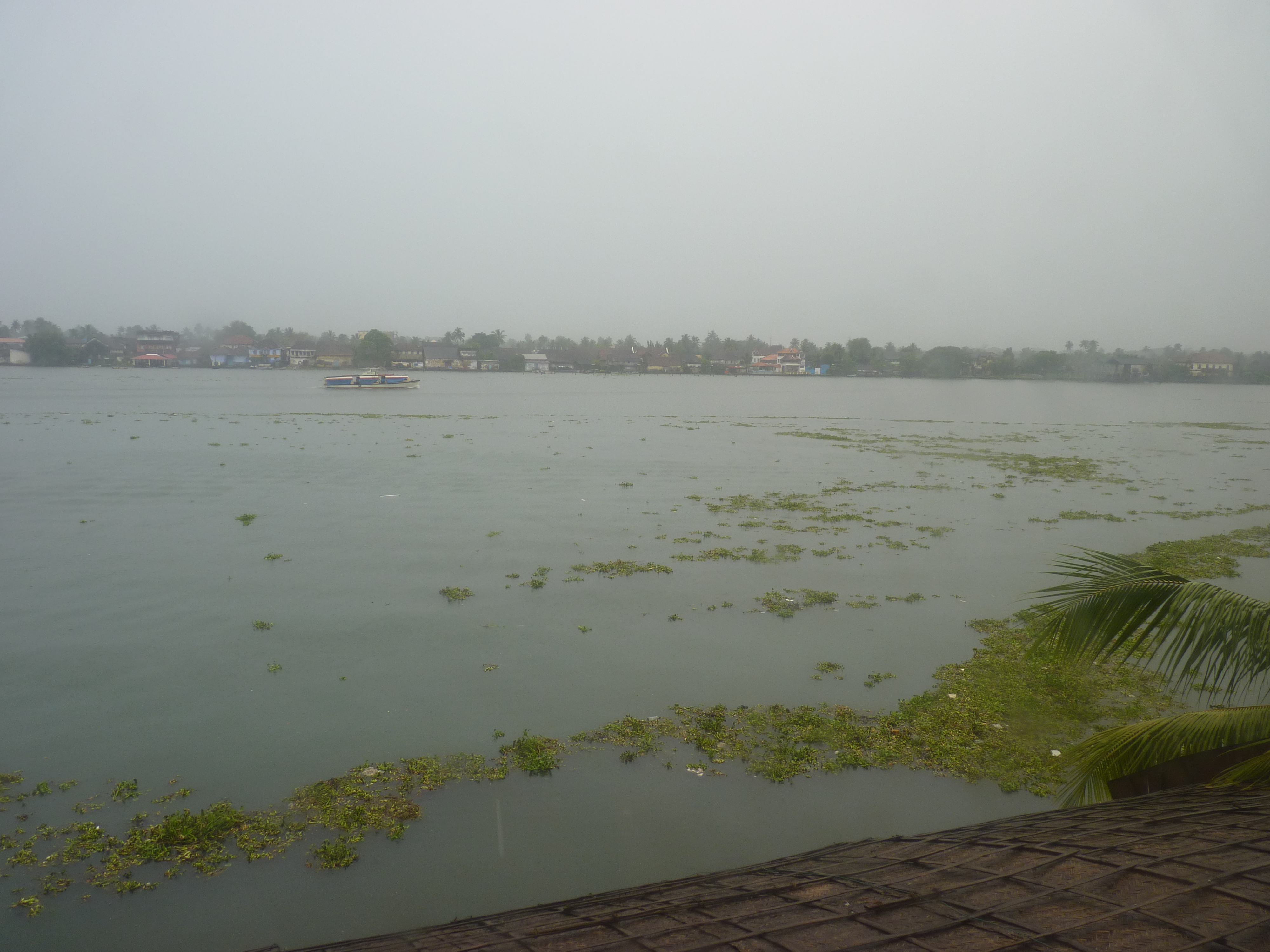
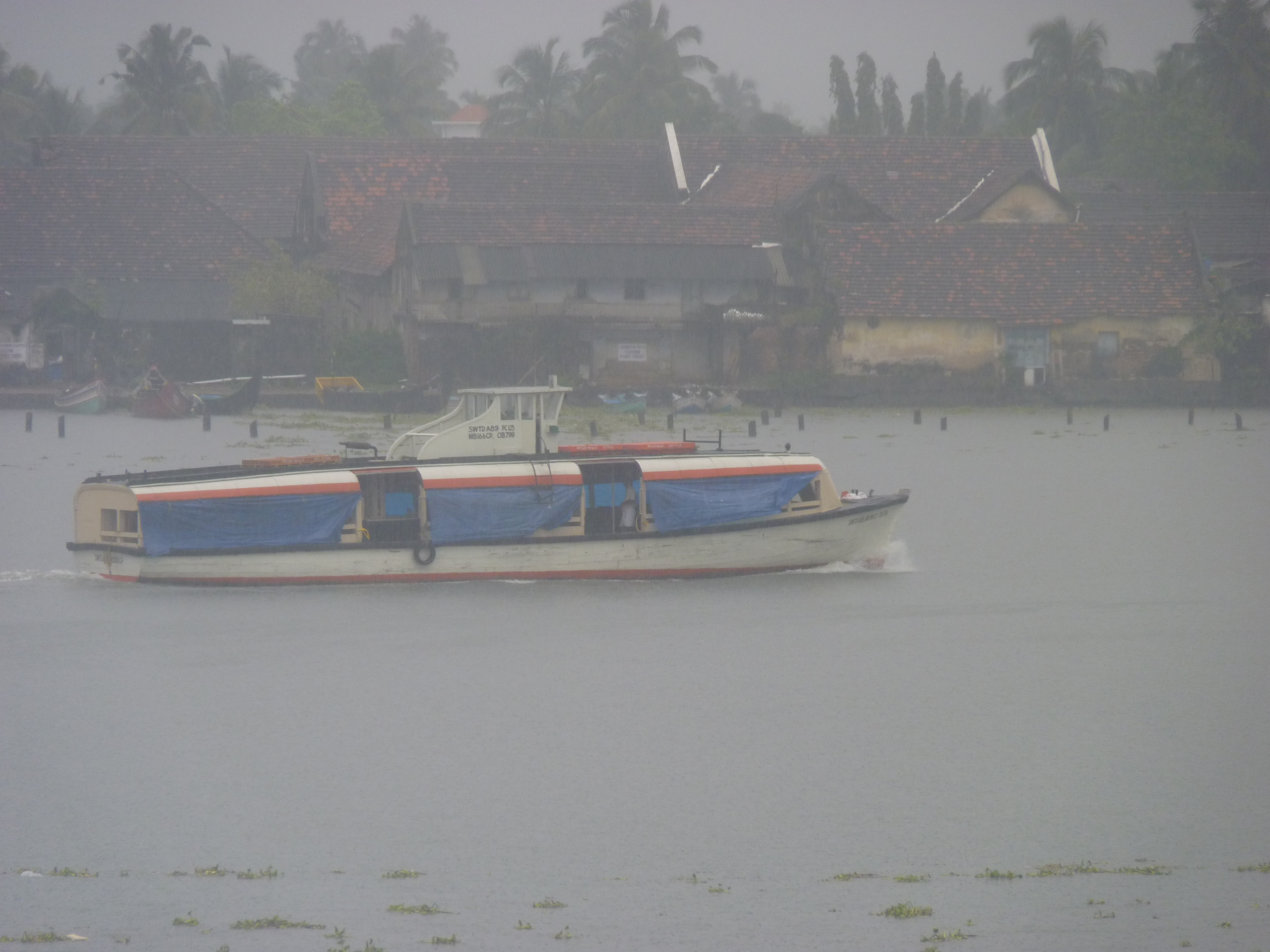
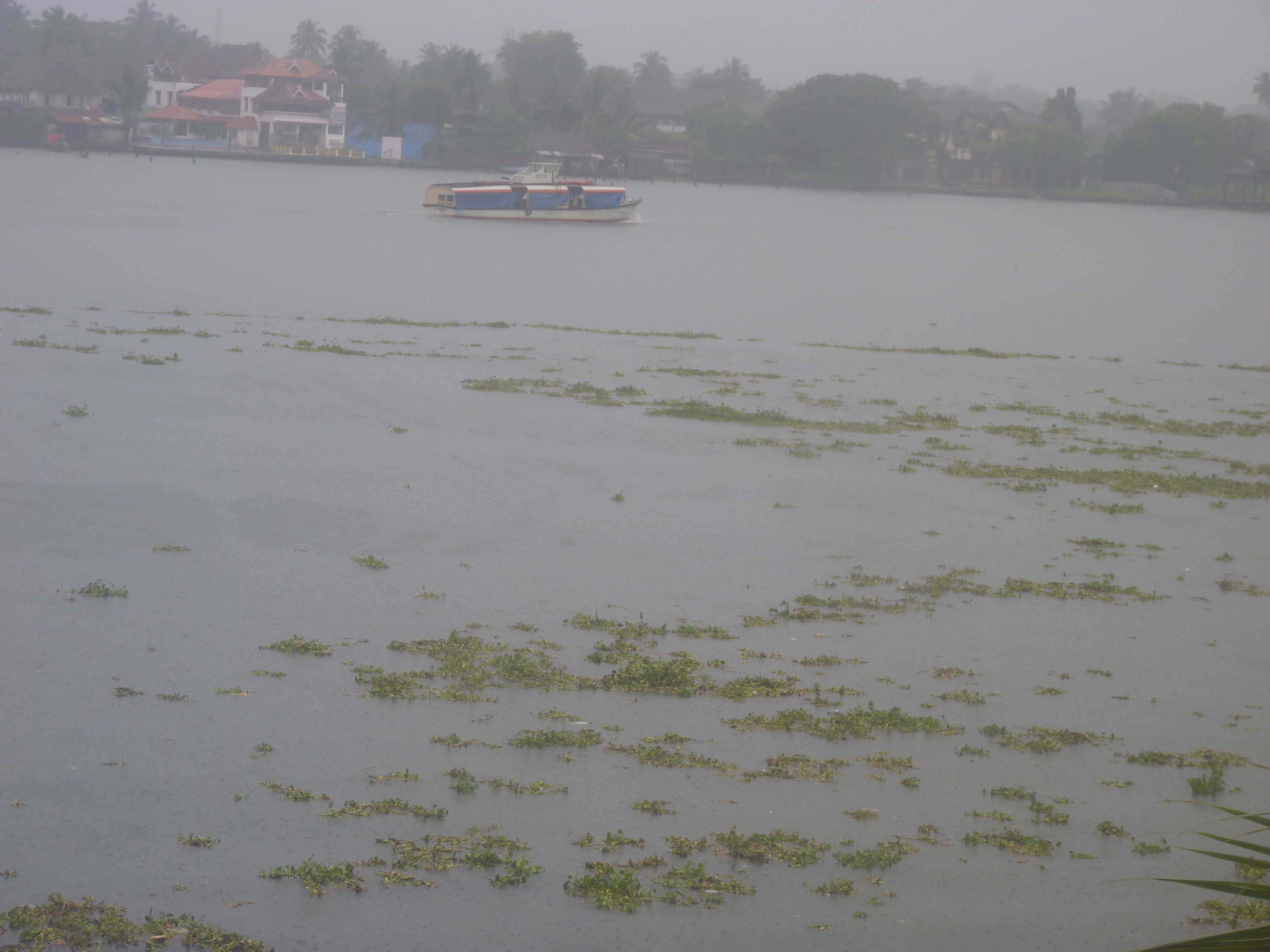
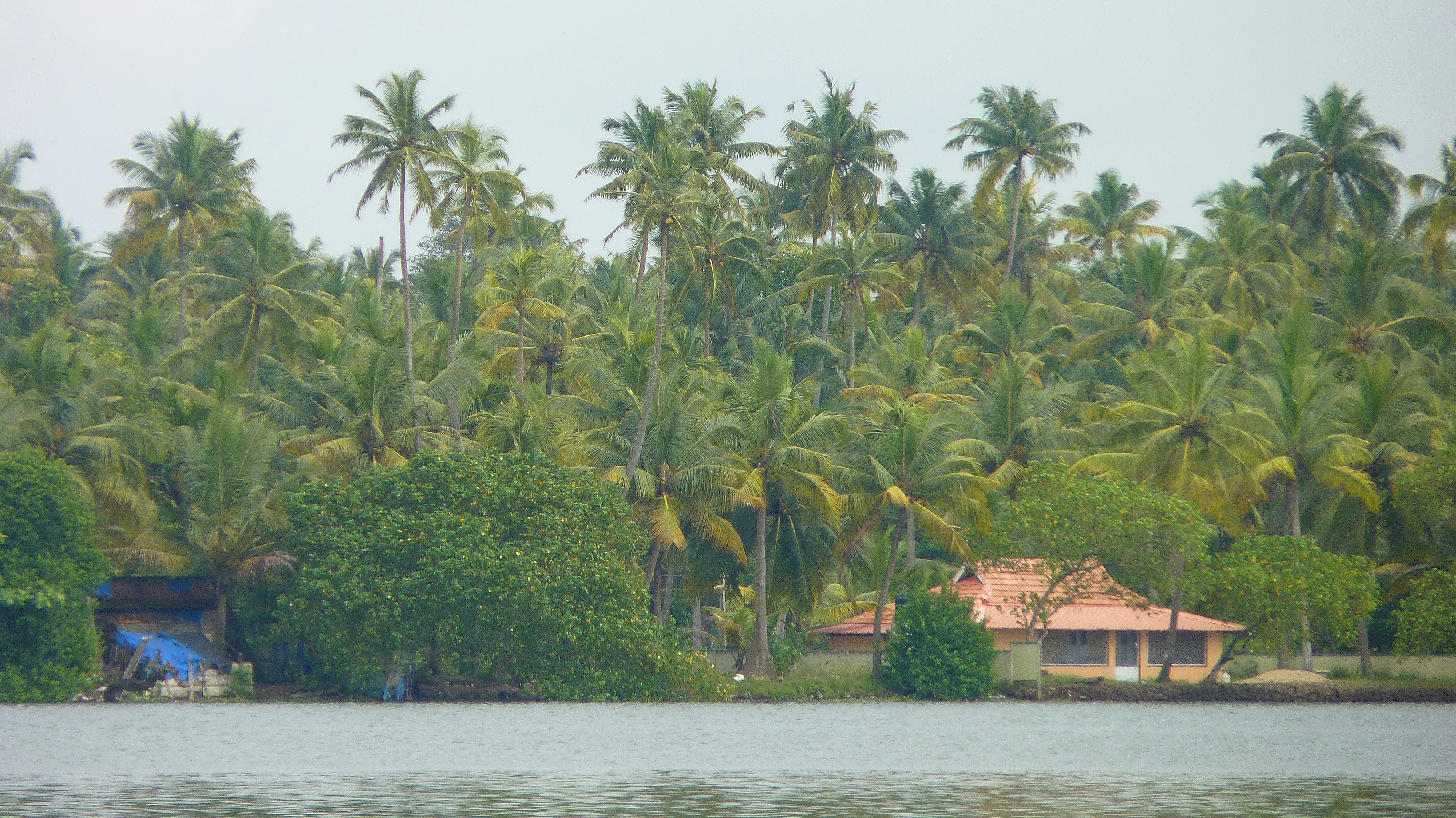
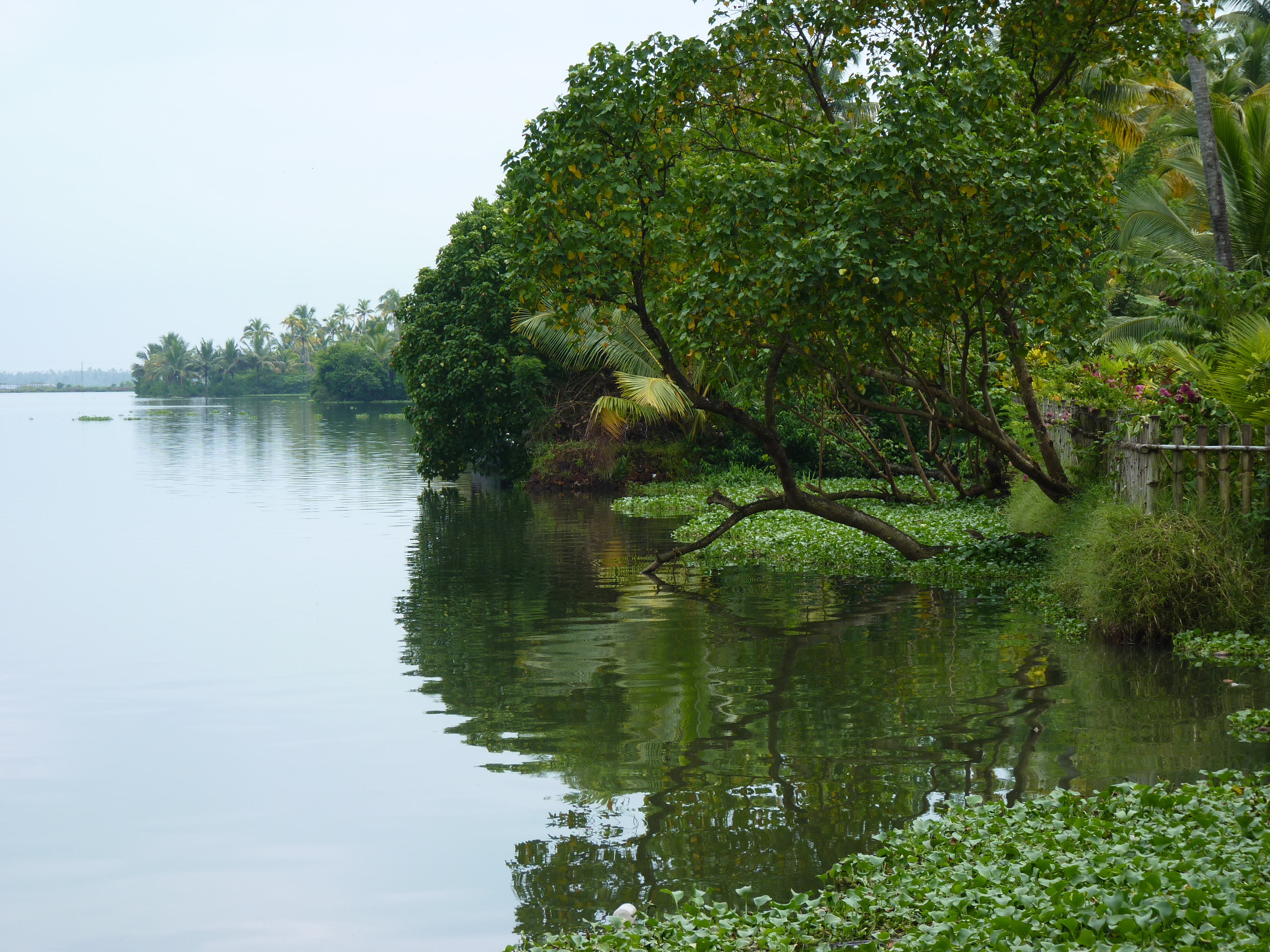
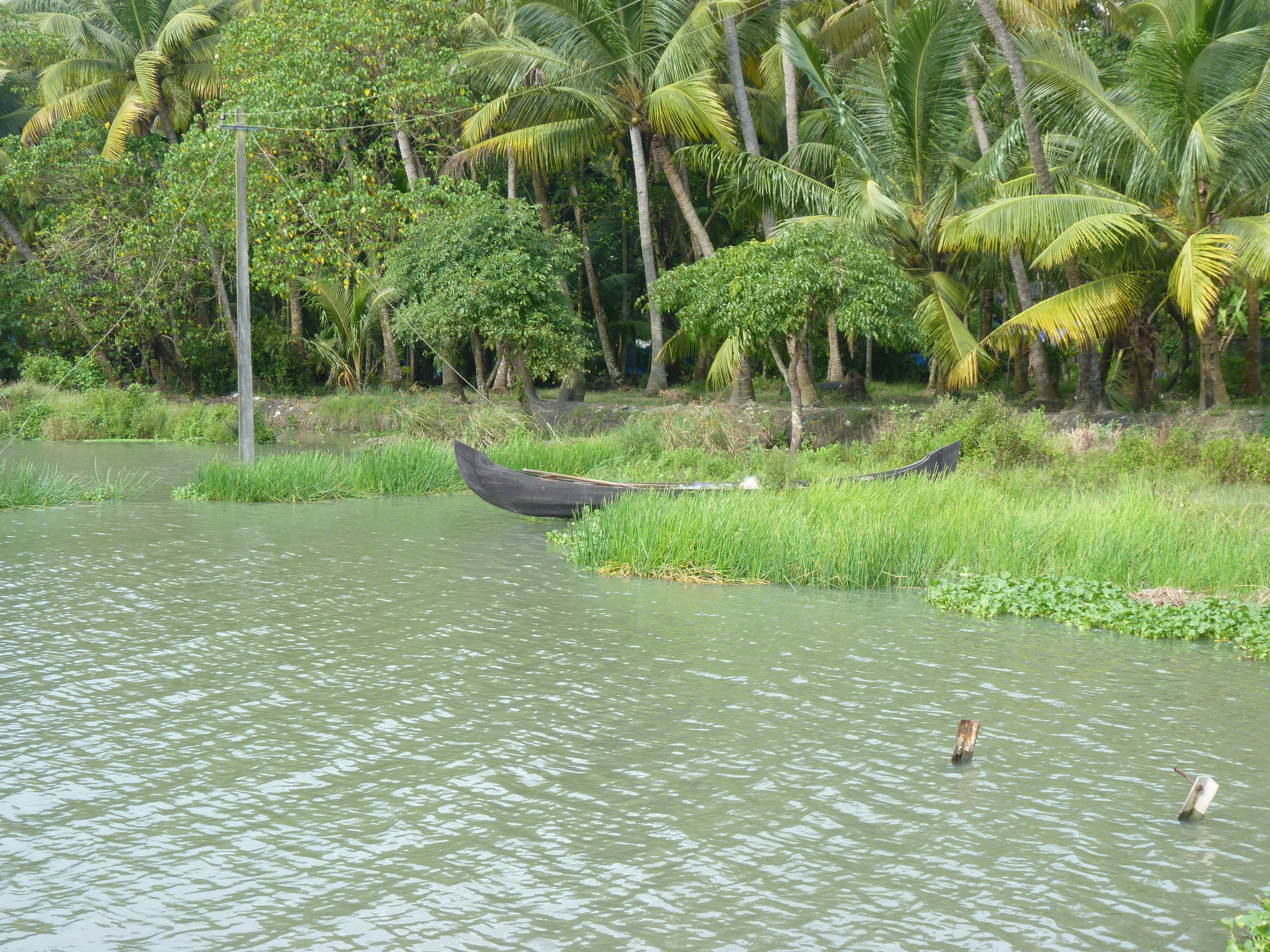
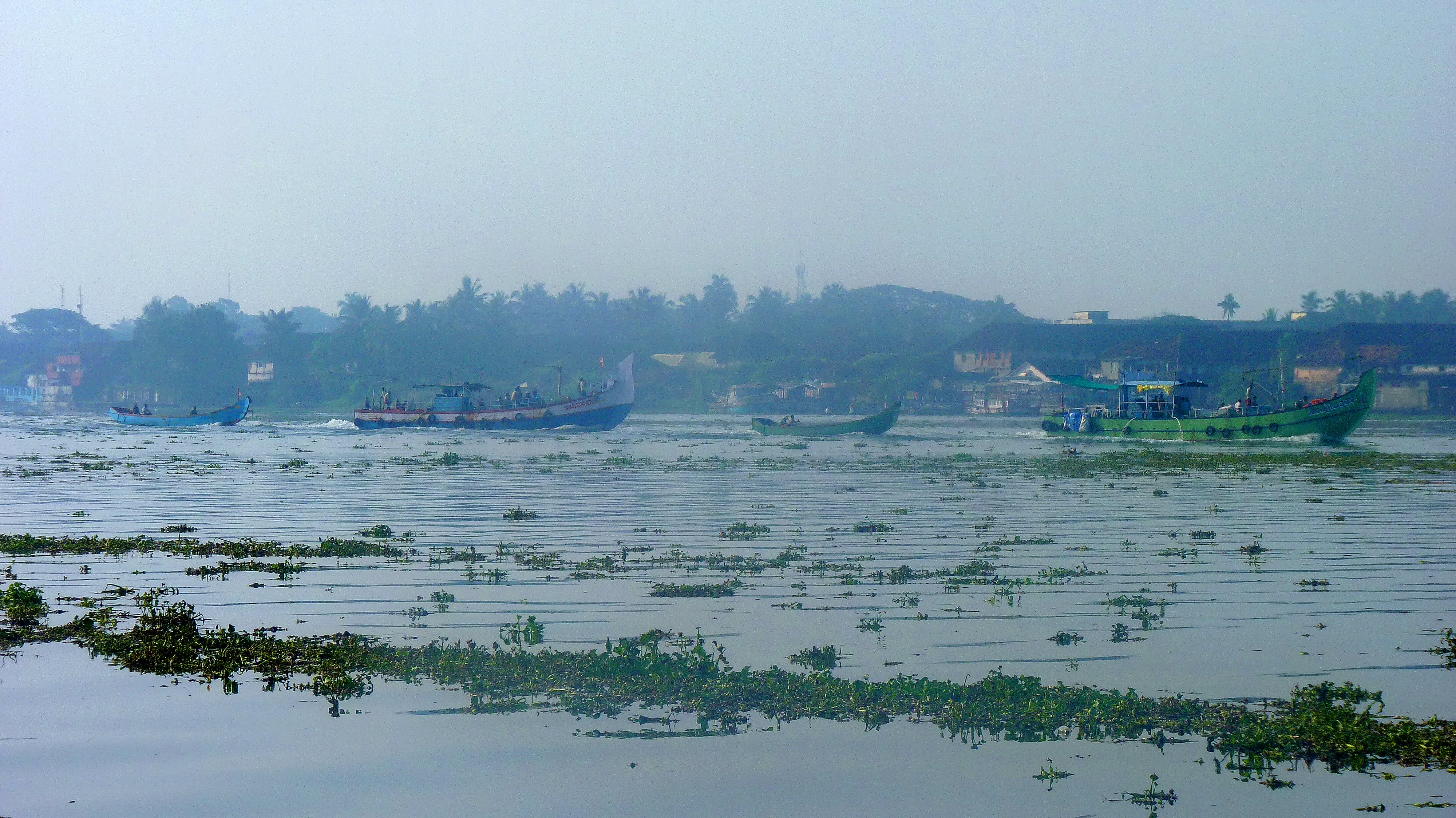
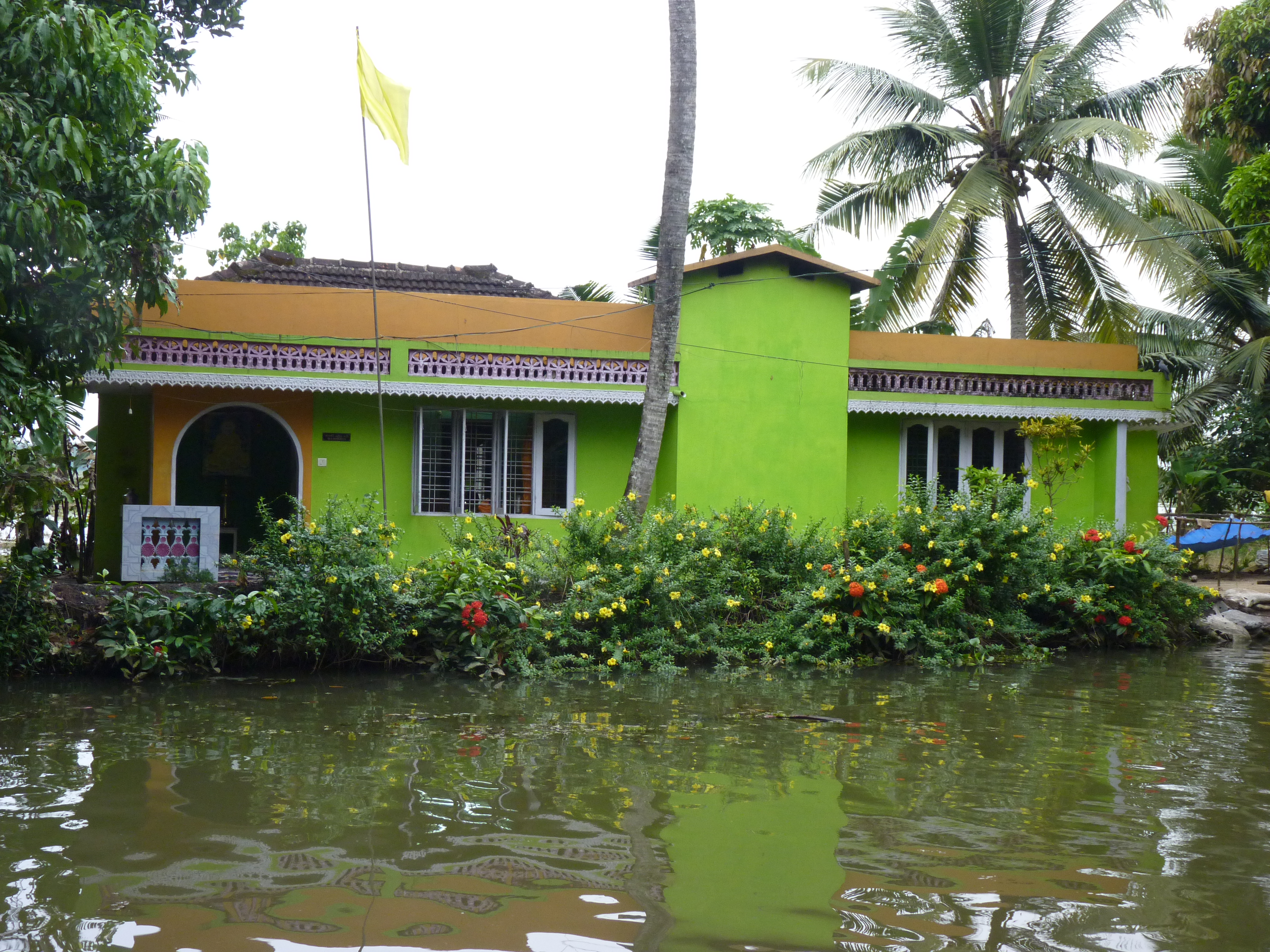
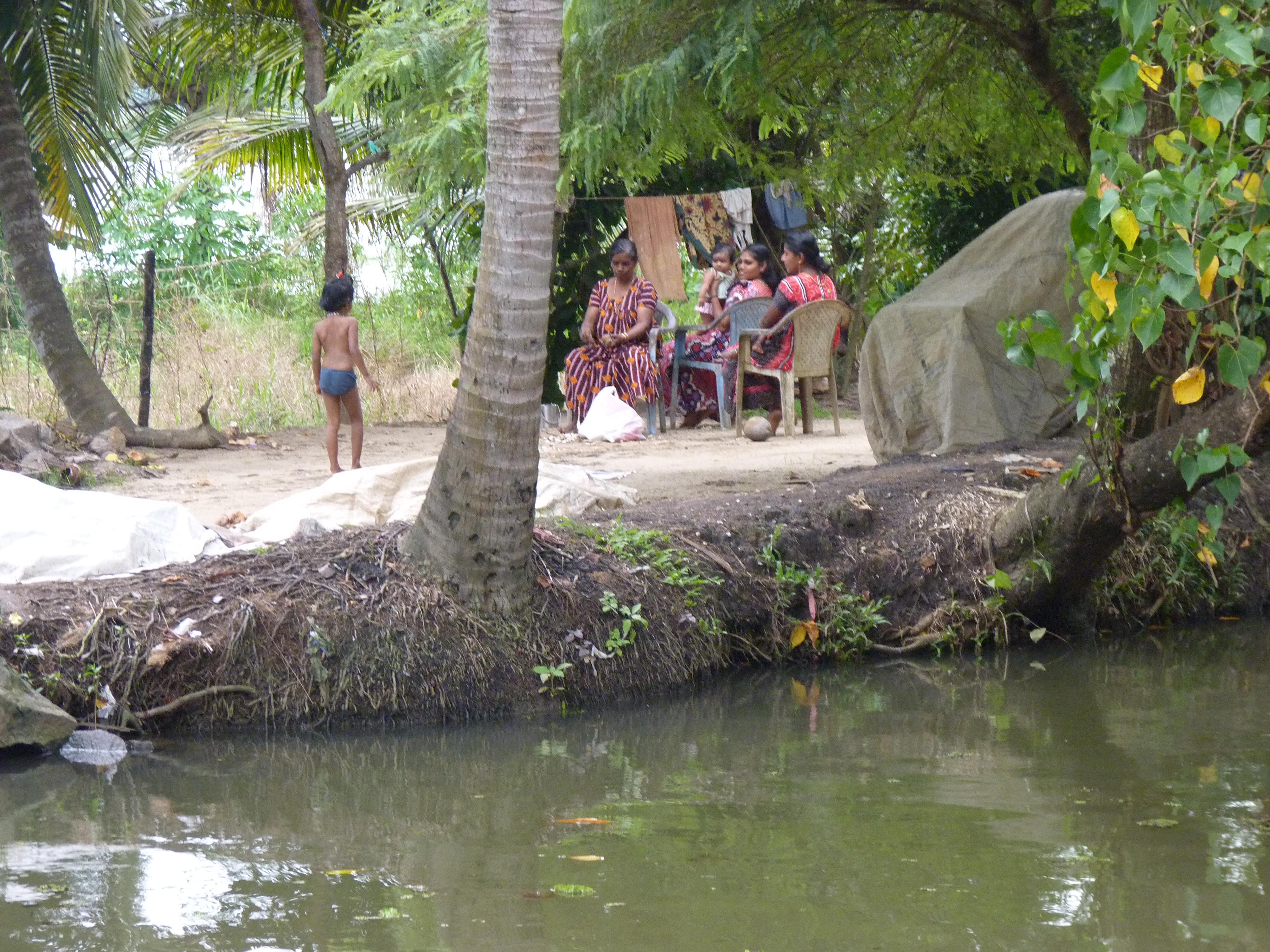
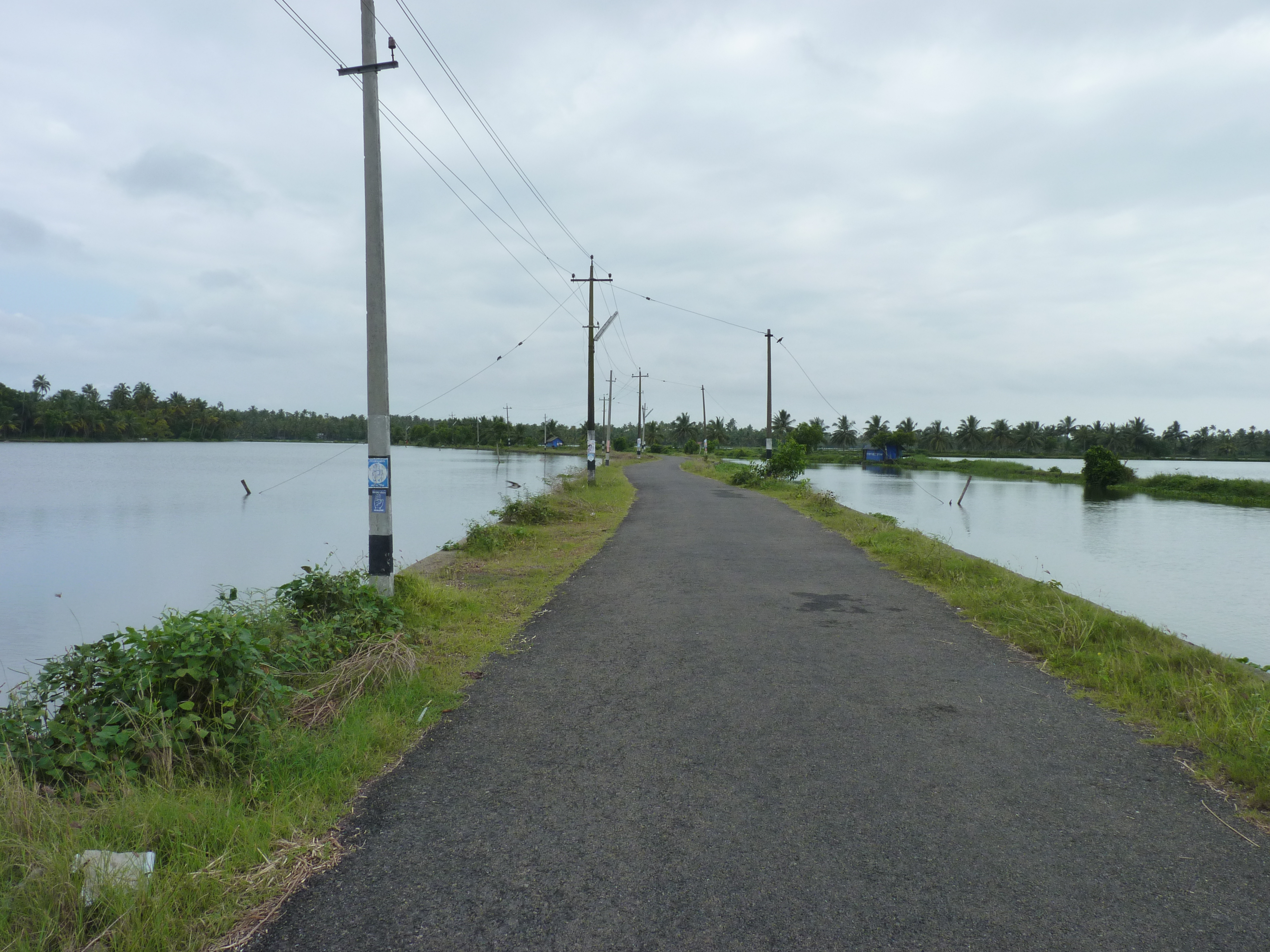
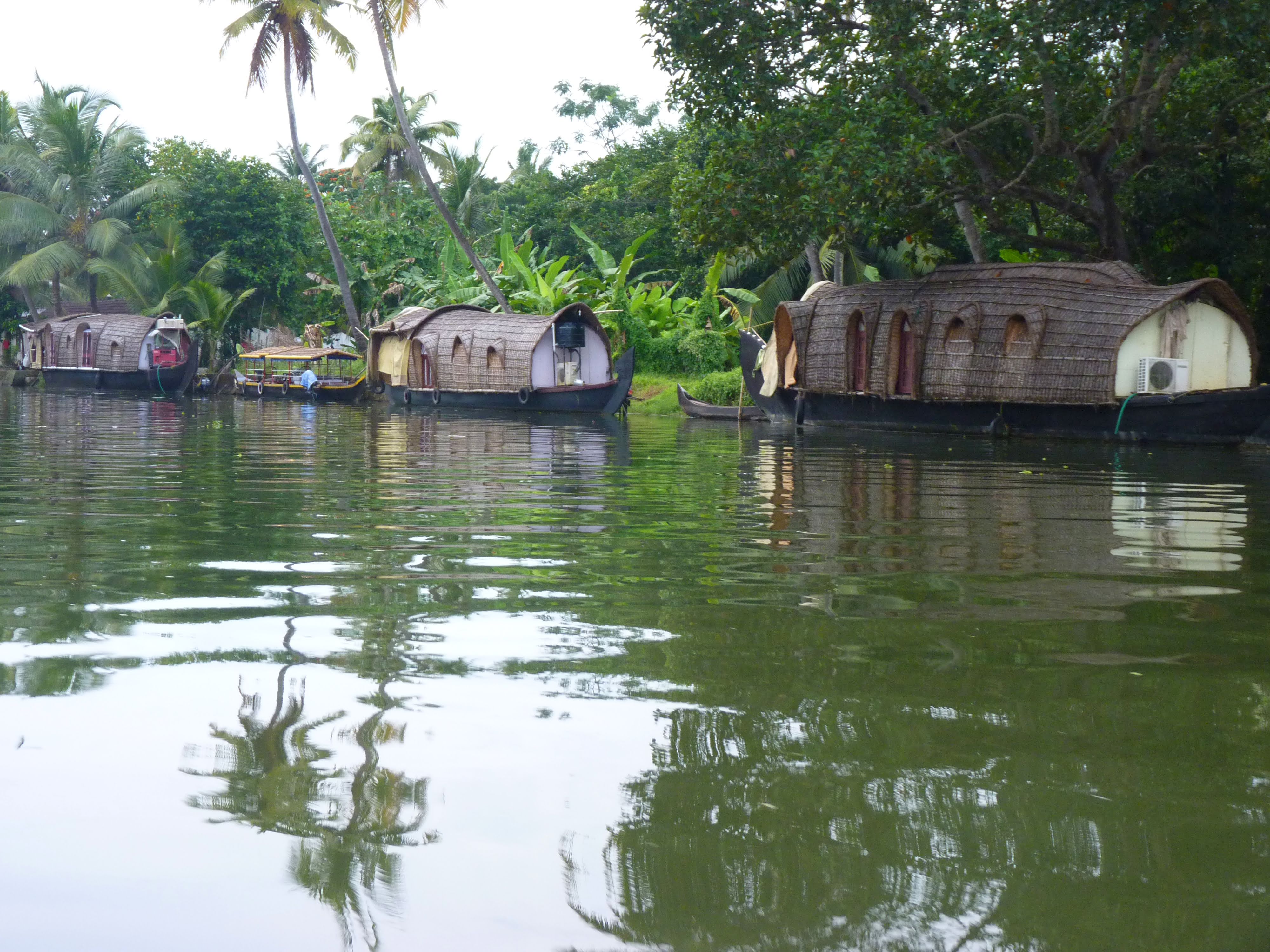
Kumarakom is the perfect place for exploring the backwaters of Kerala , either by boats or by country roads but the former is the much preferred option.
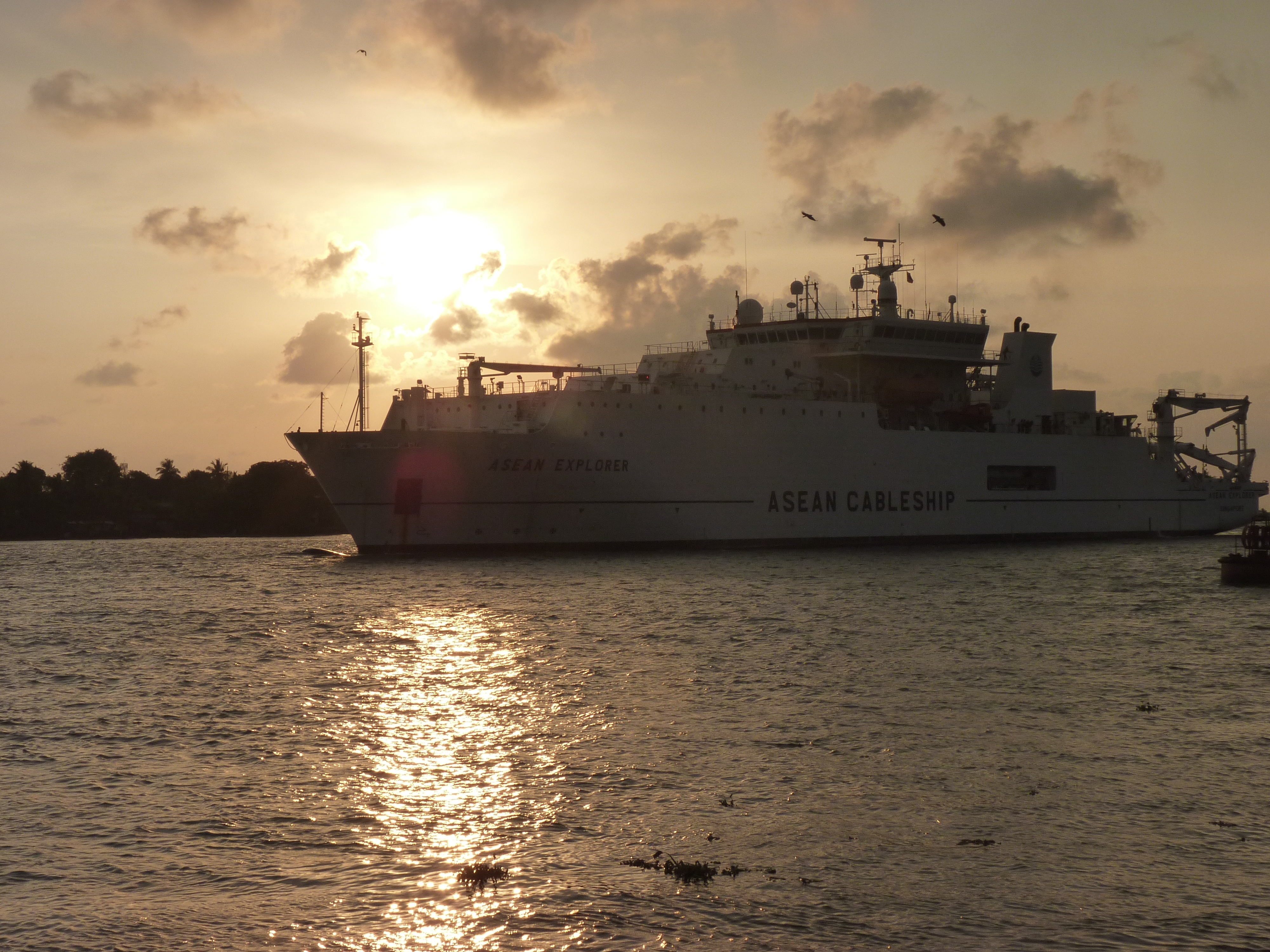
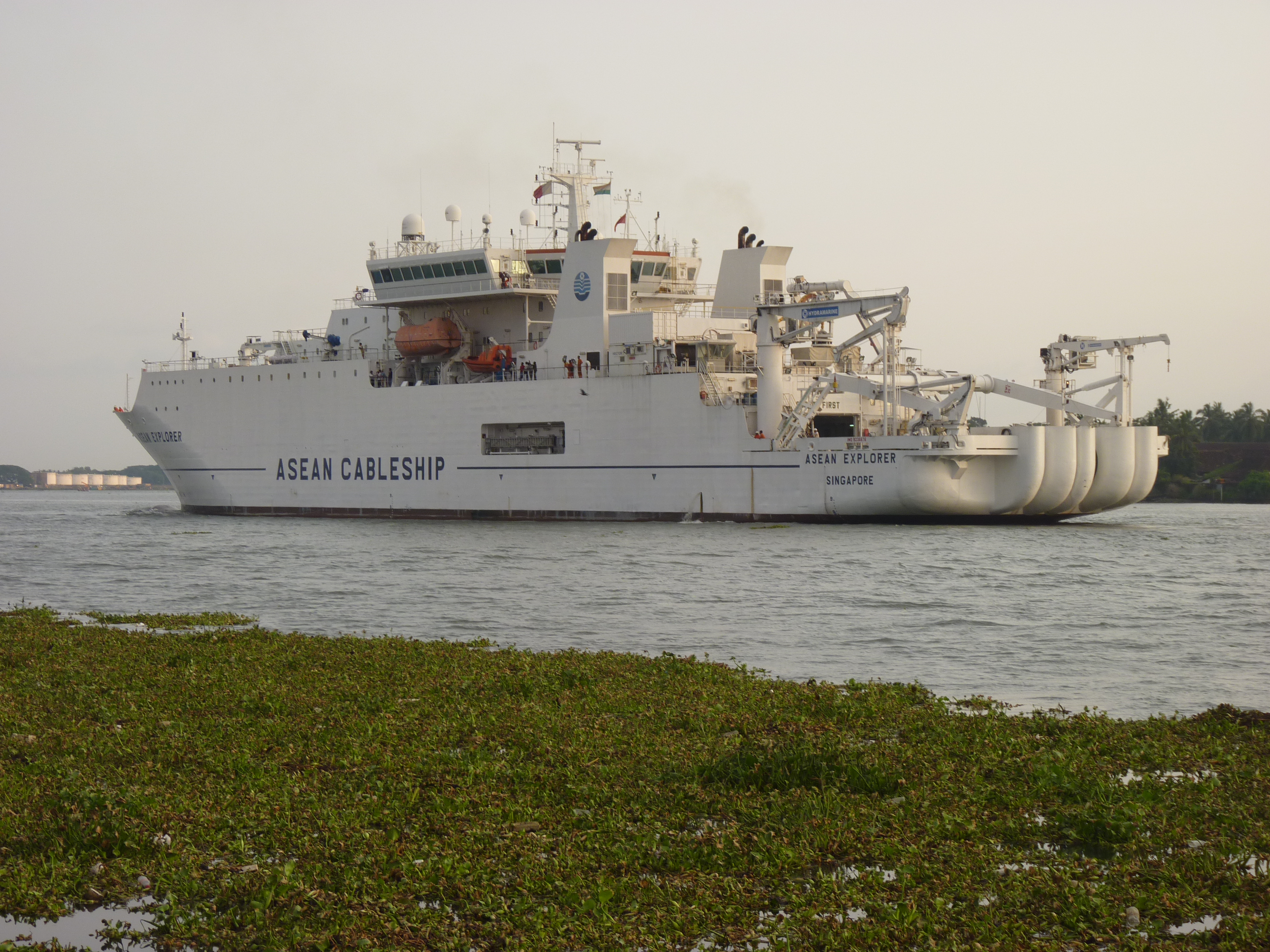
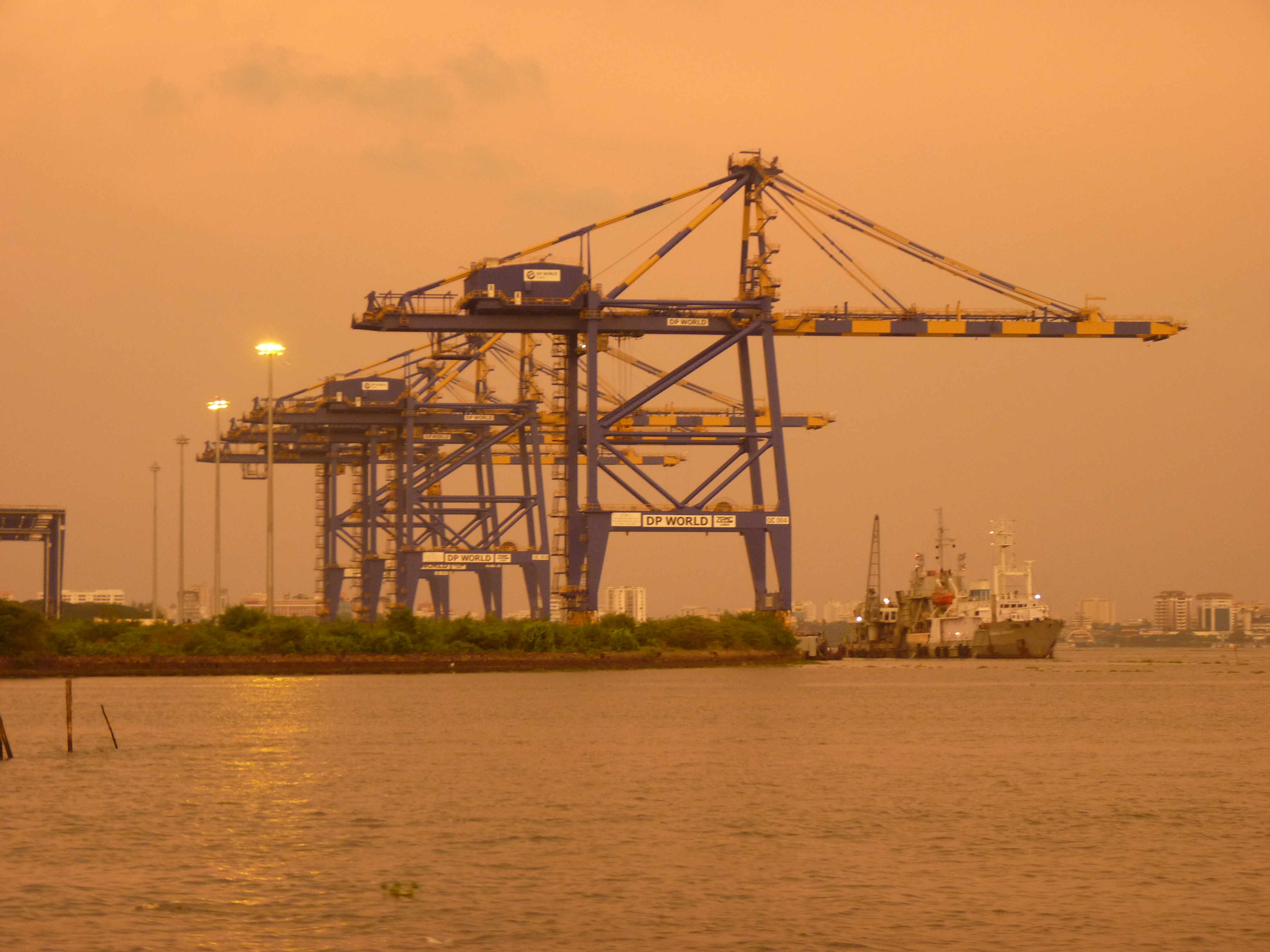
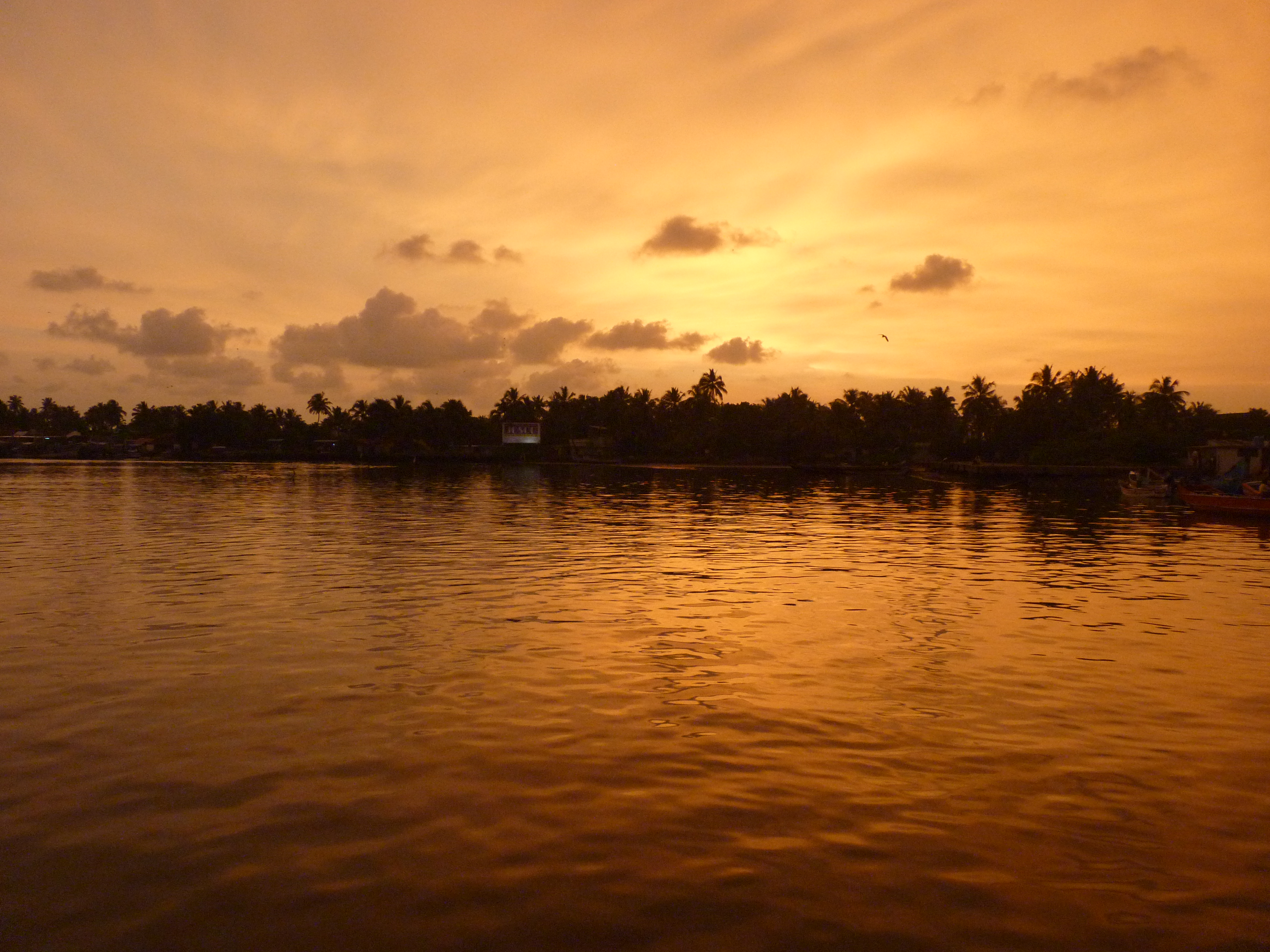
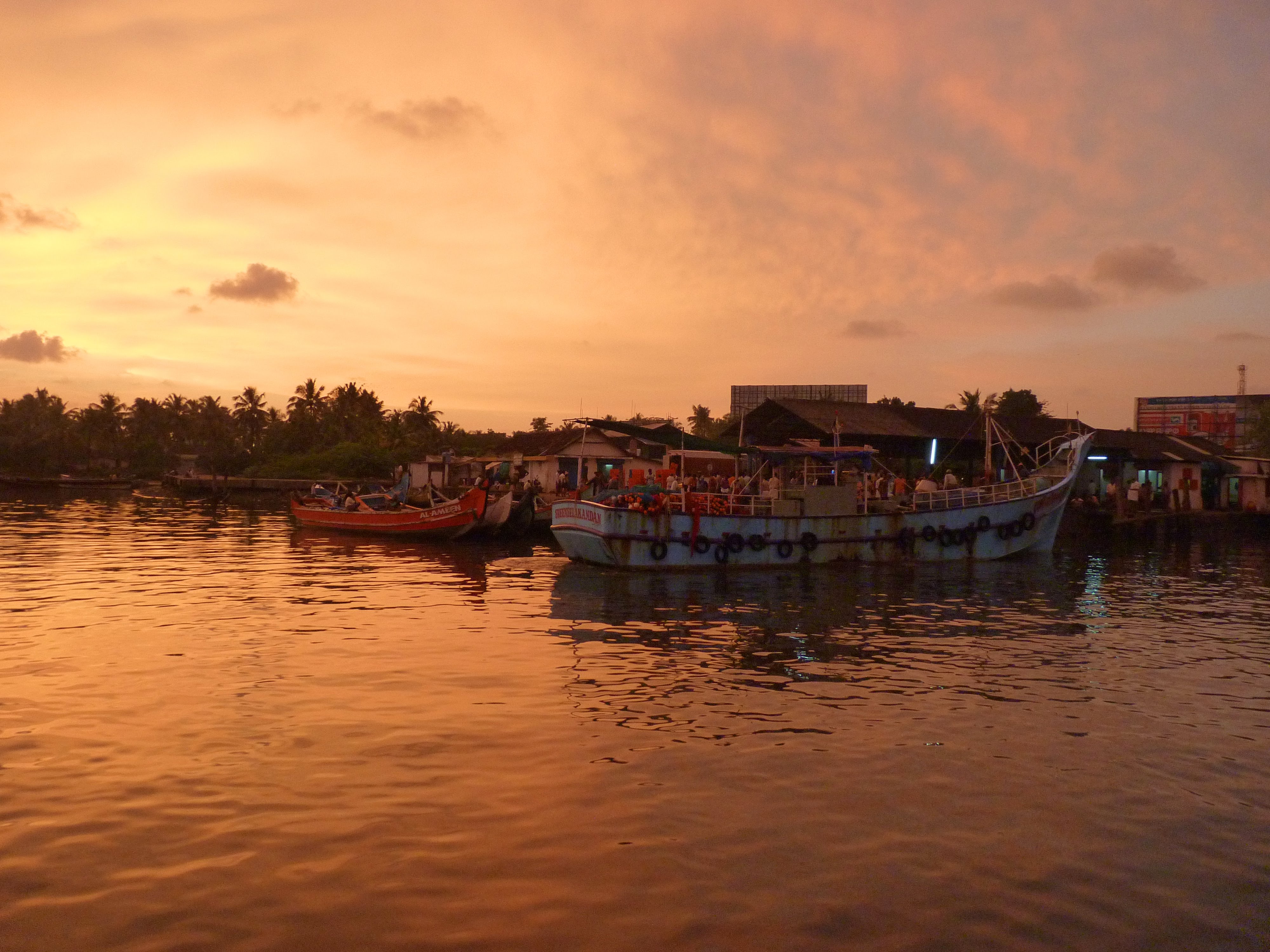
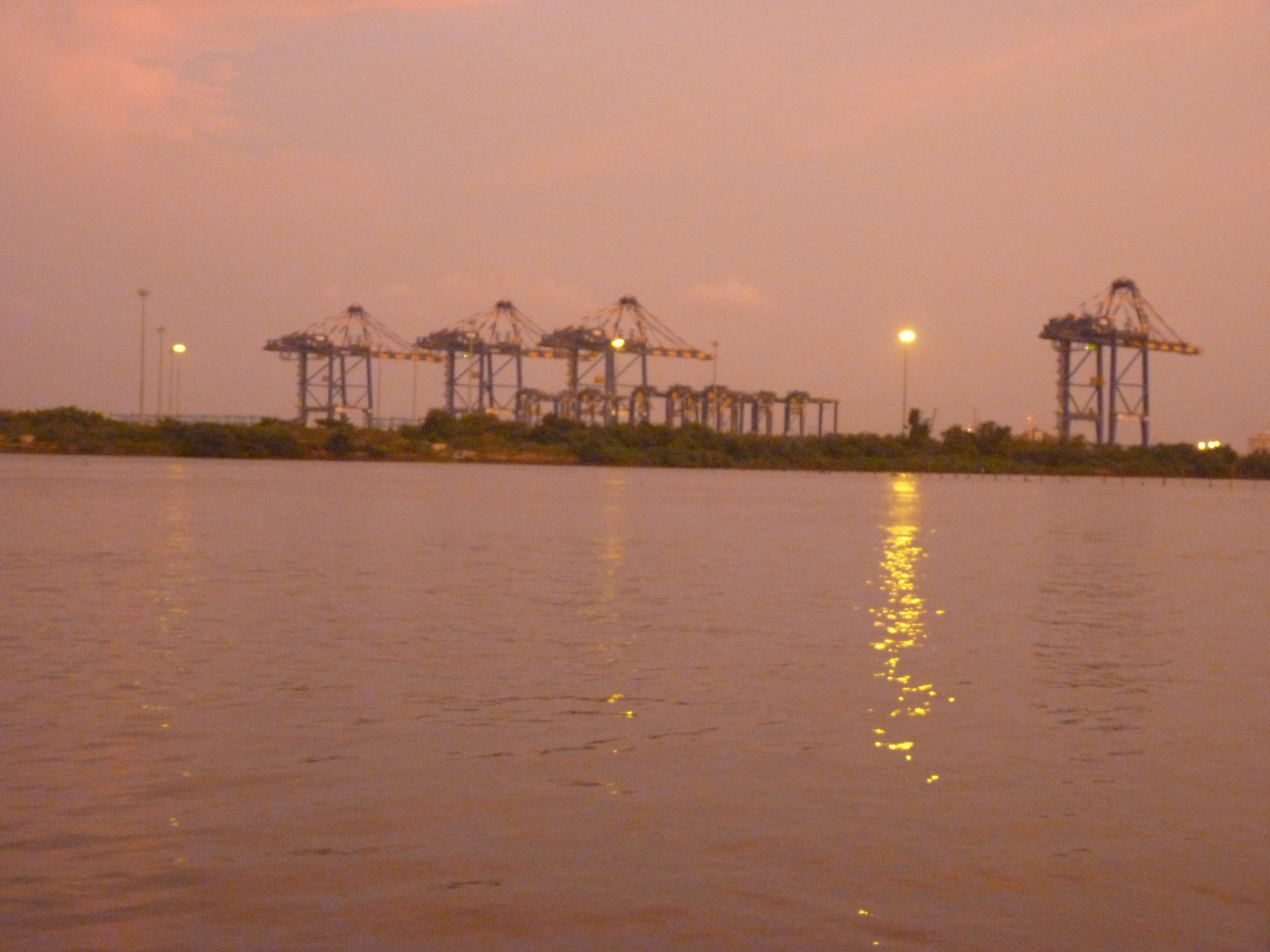
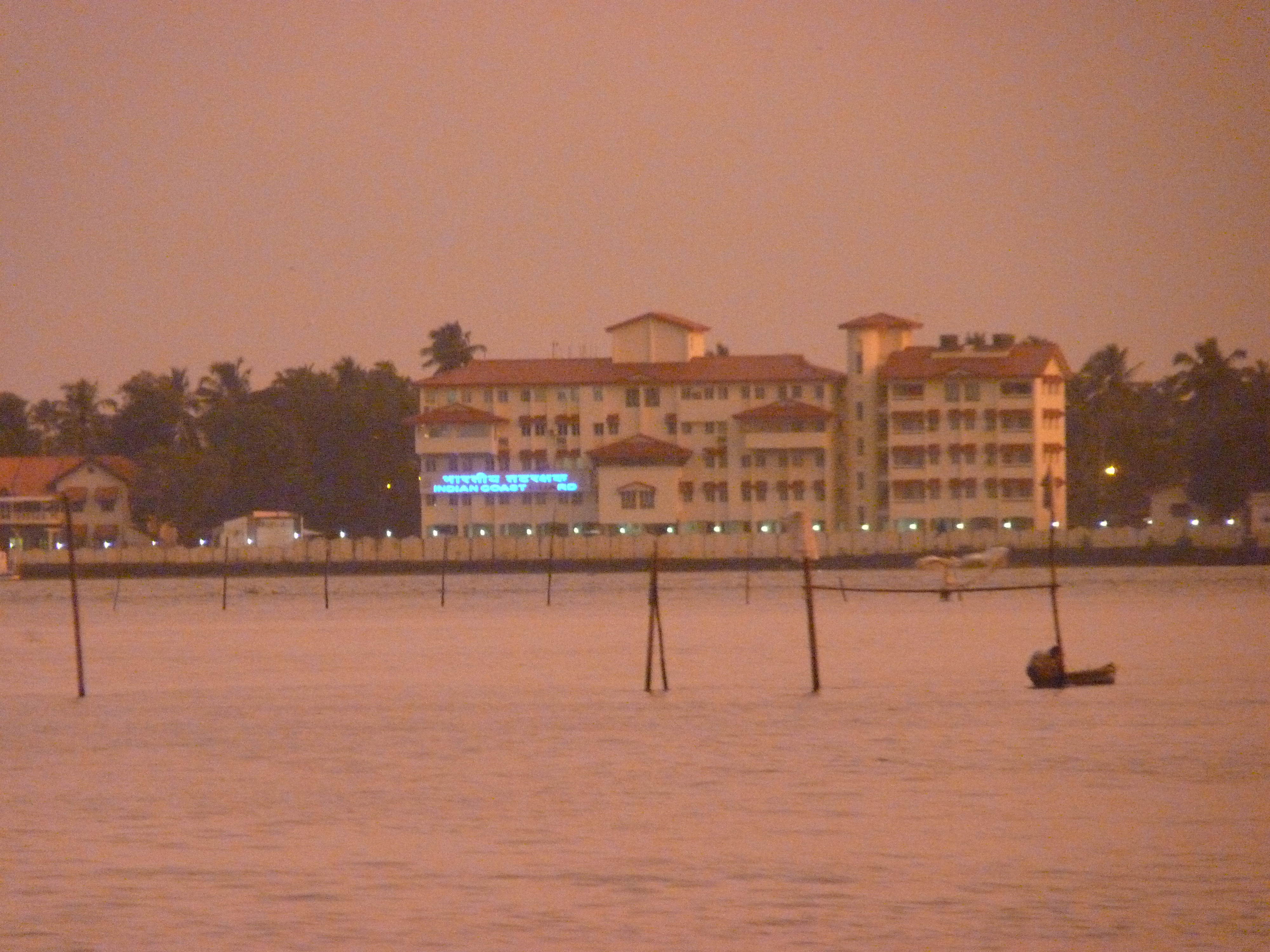
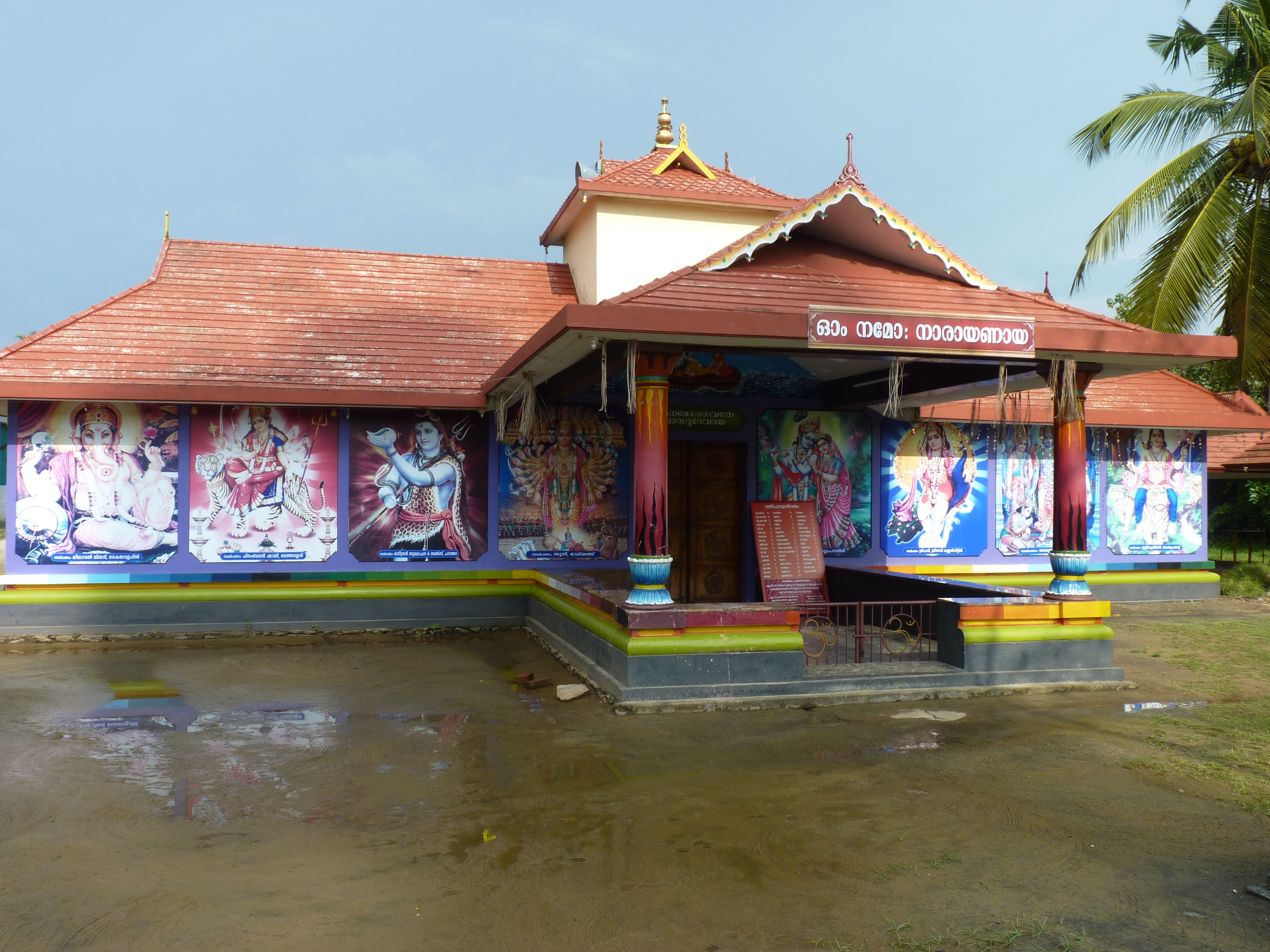
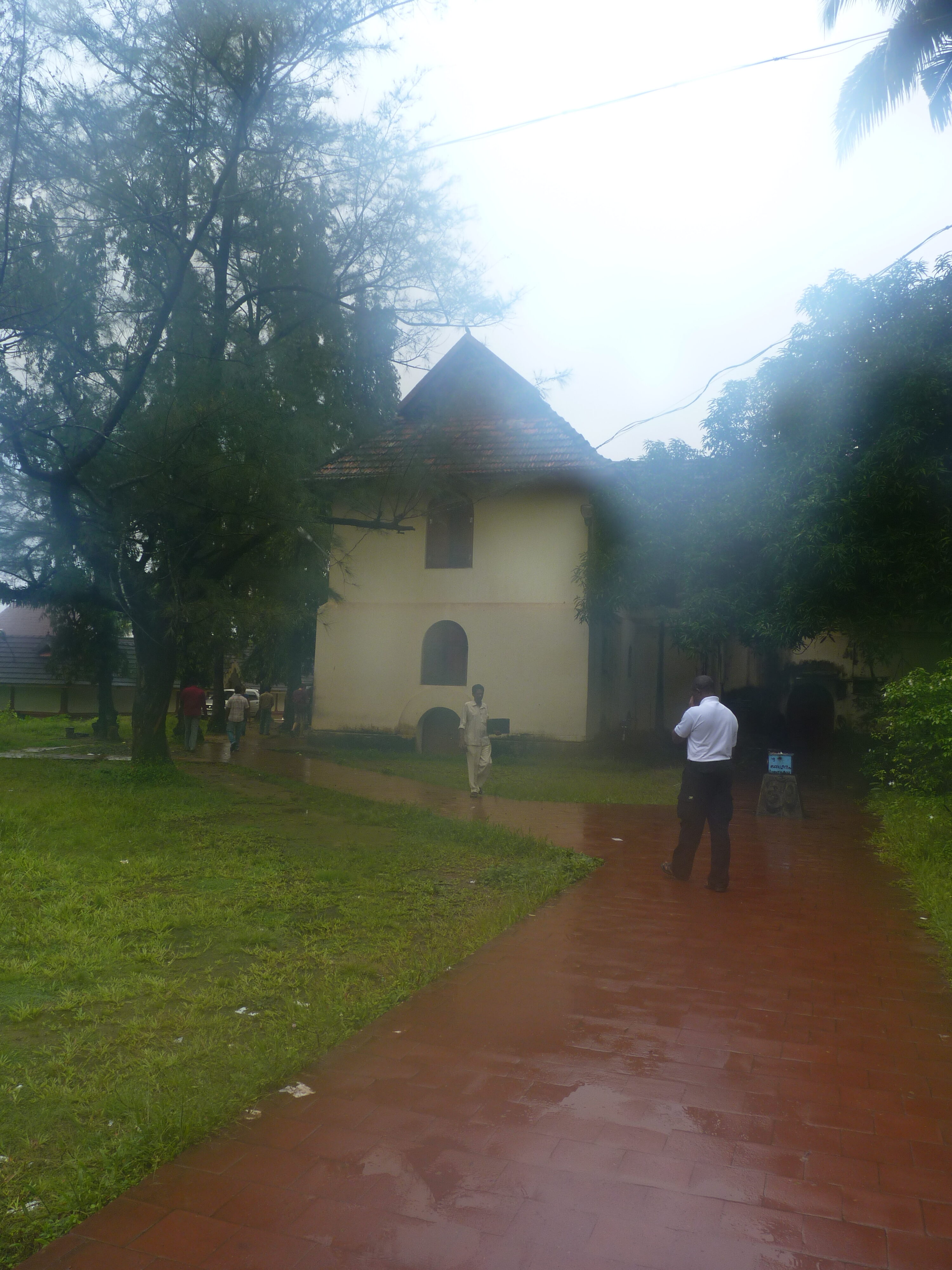
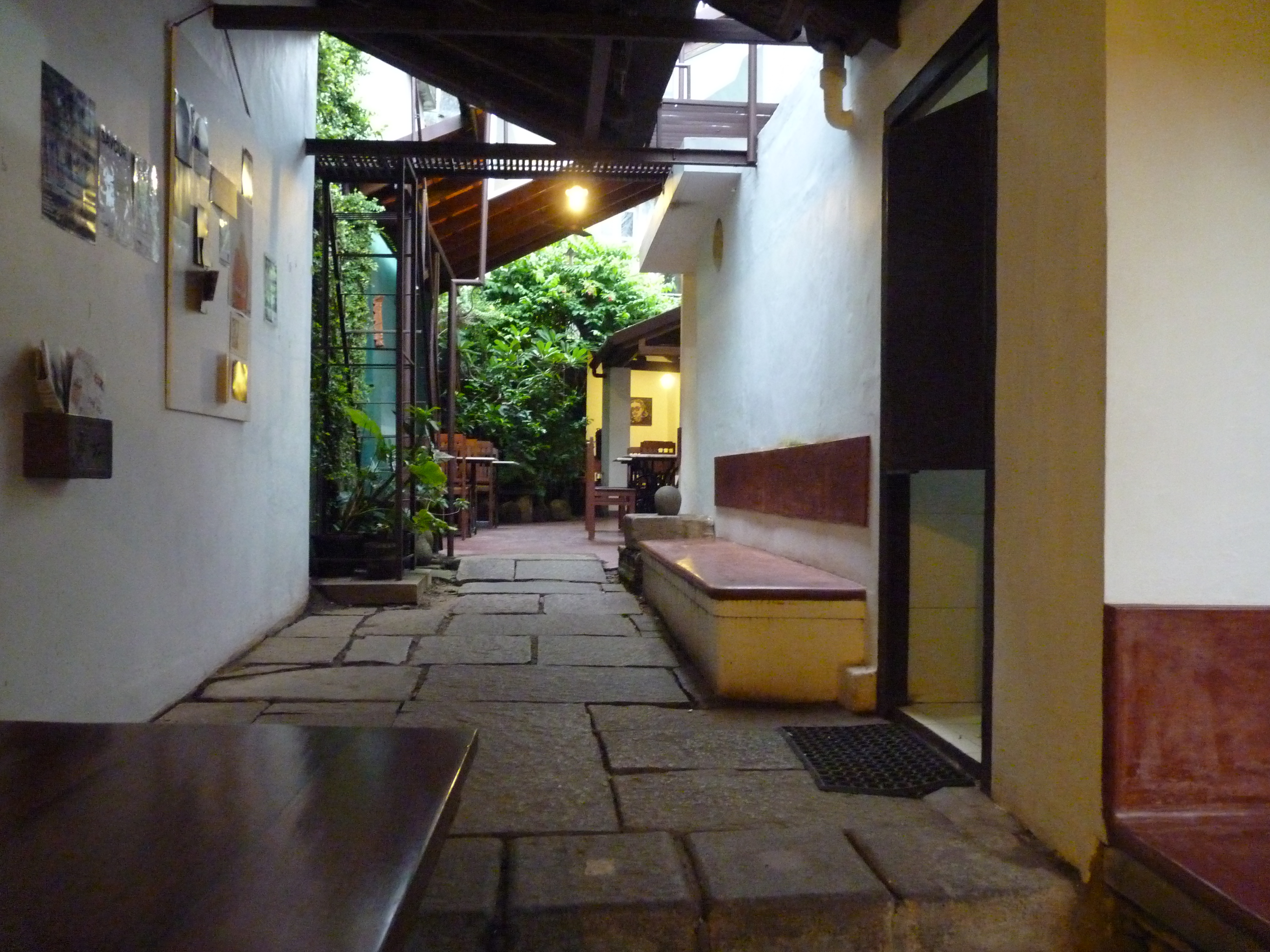
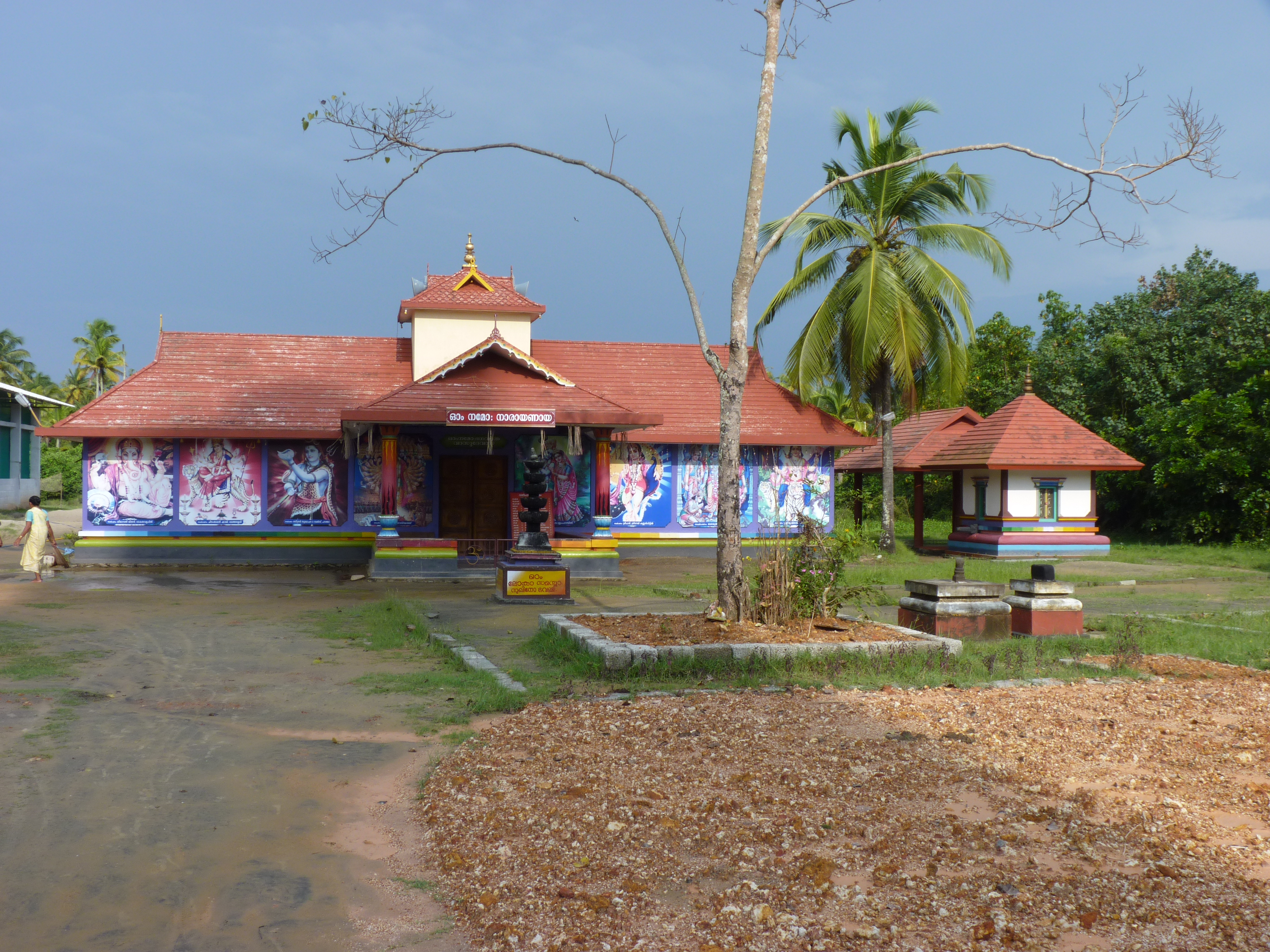
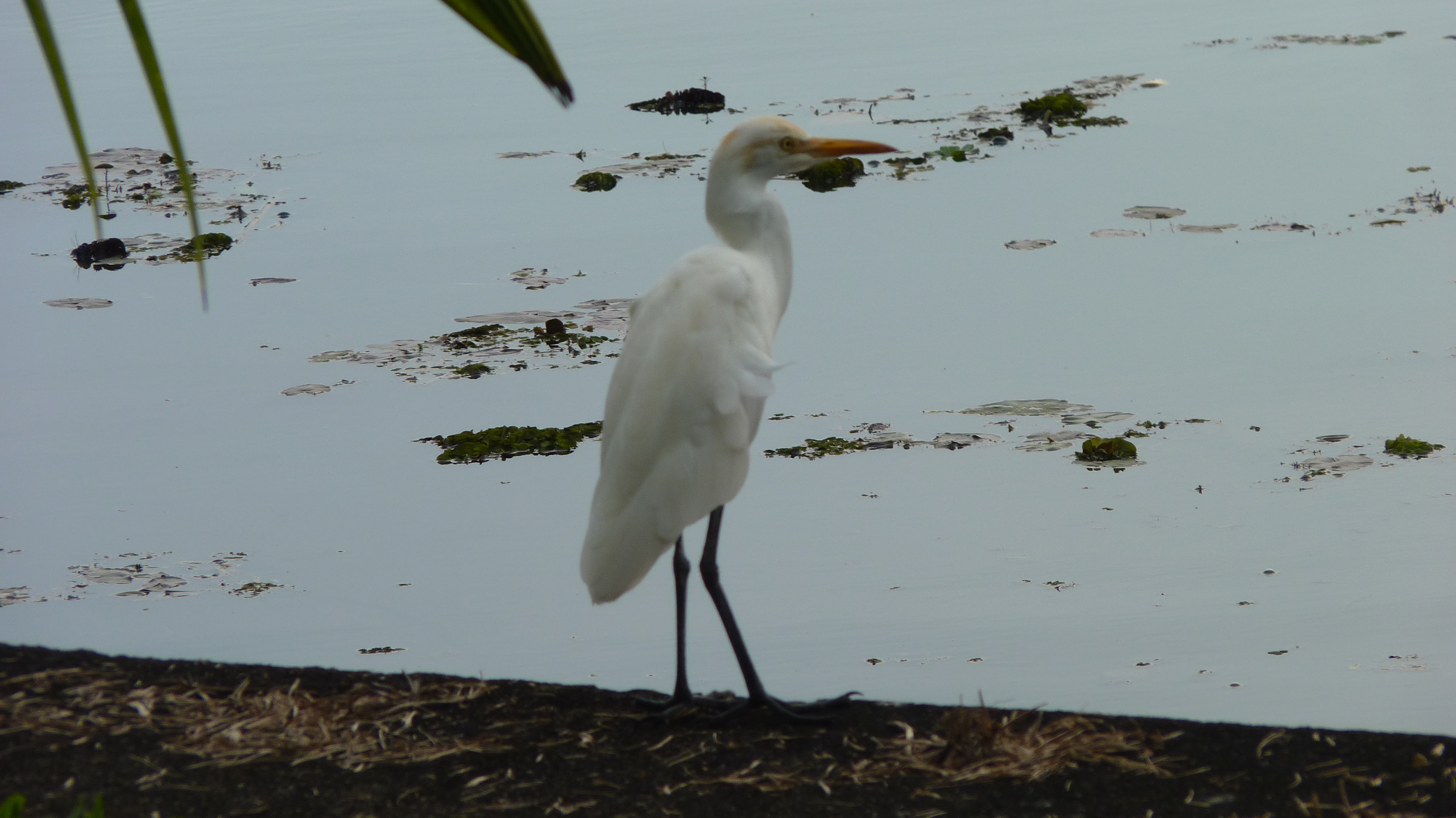
Below are some of the pics I took on that trip, do let me know in the comments below what you think of them.
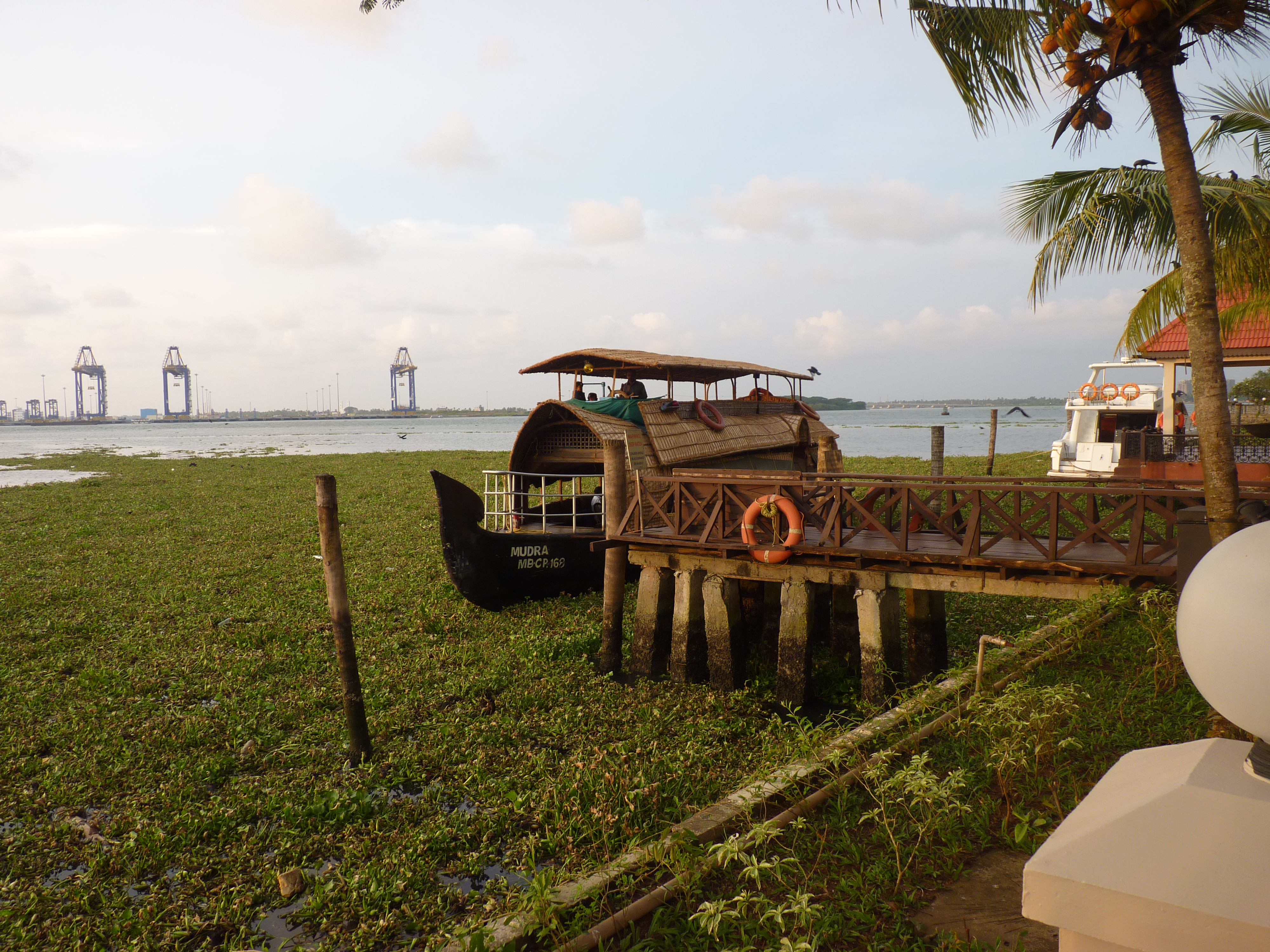
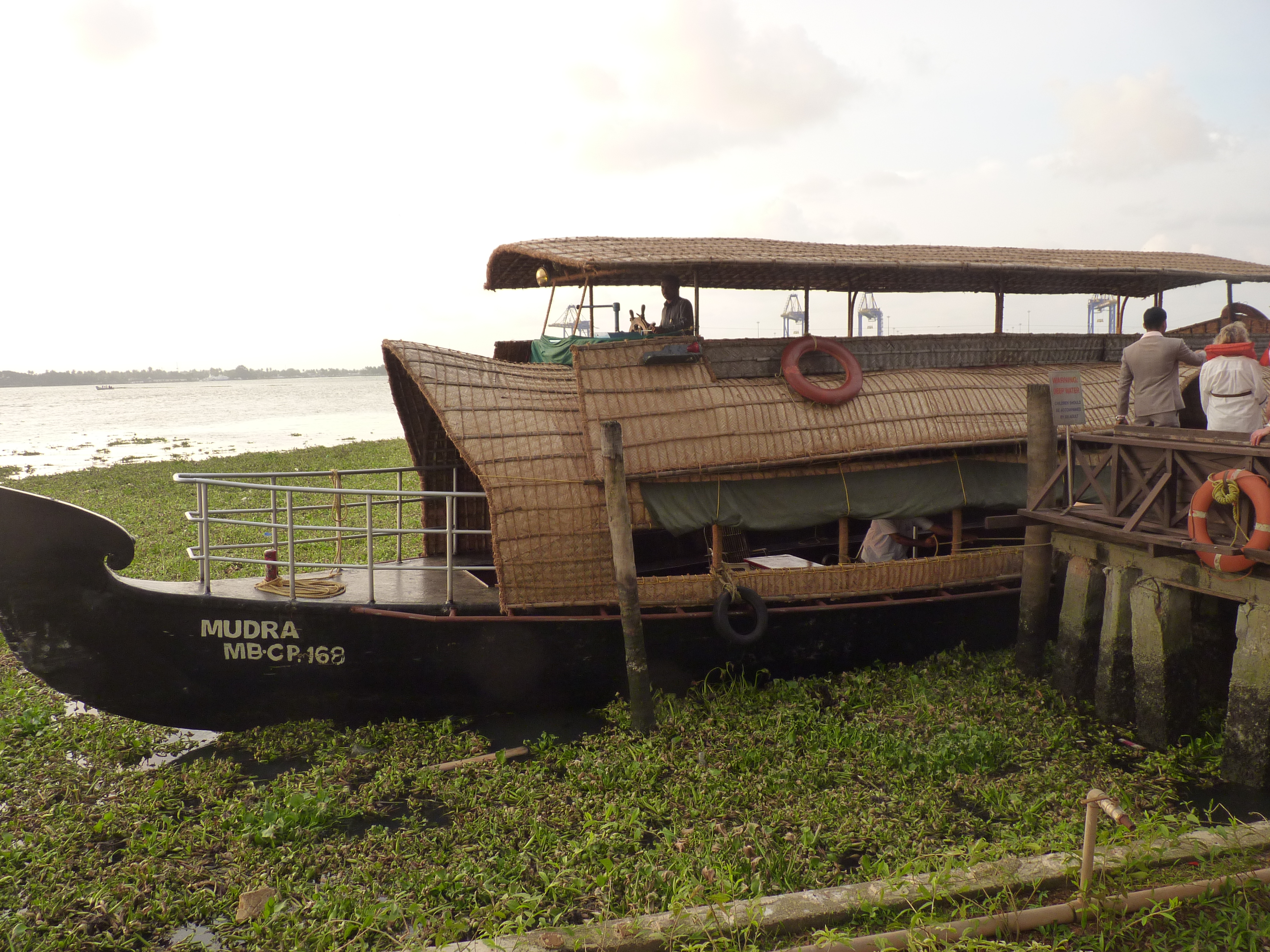
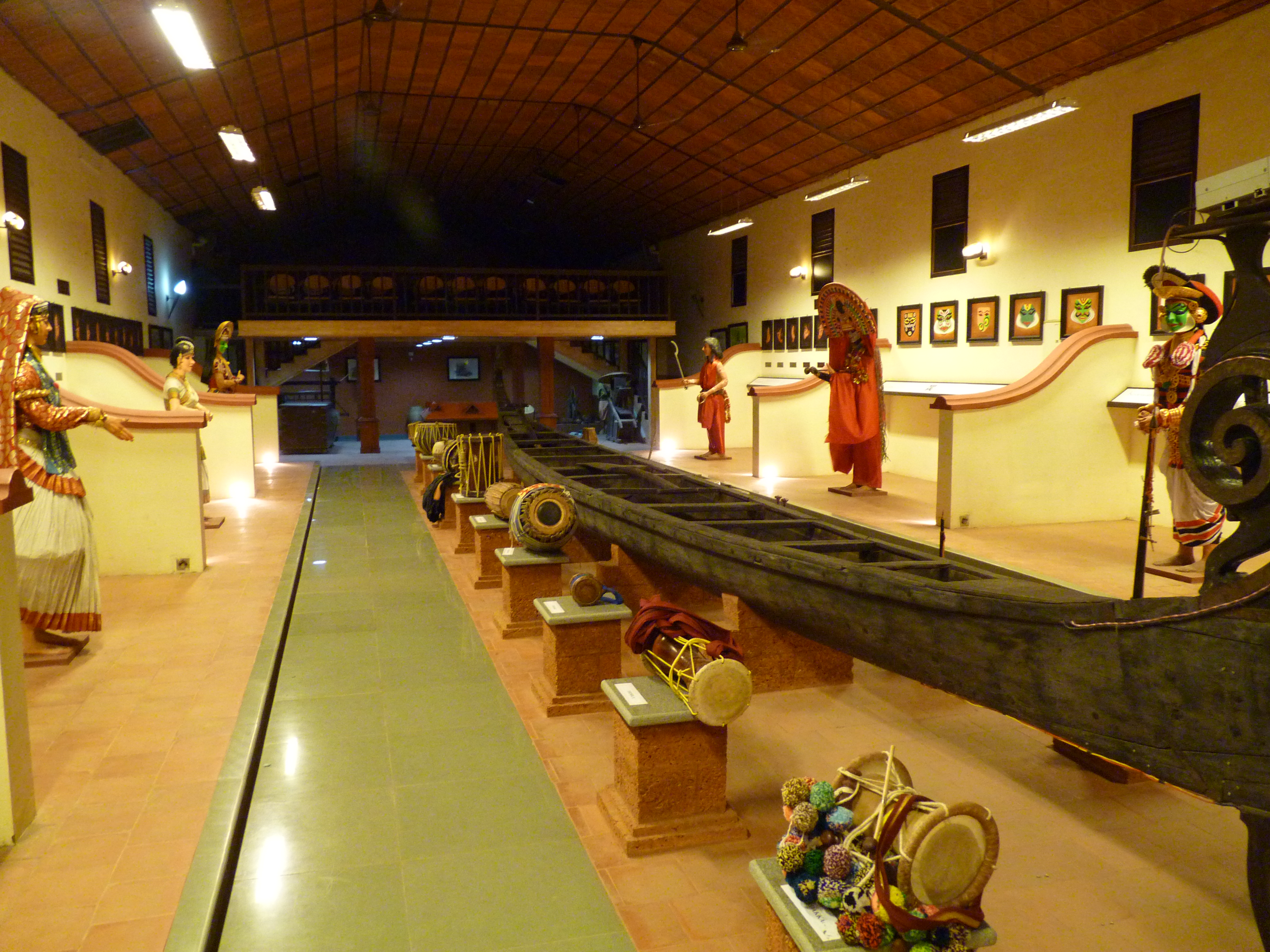
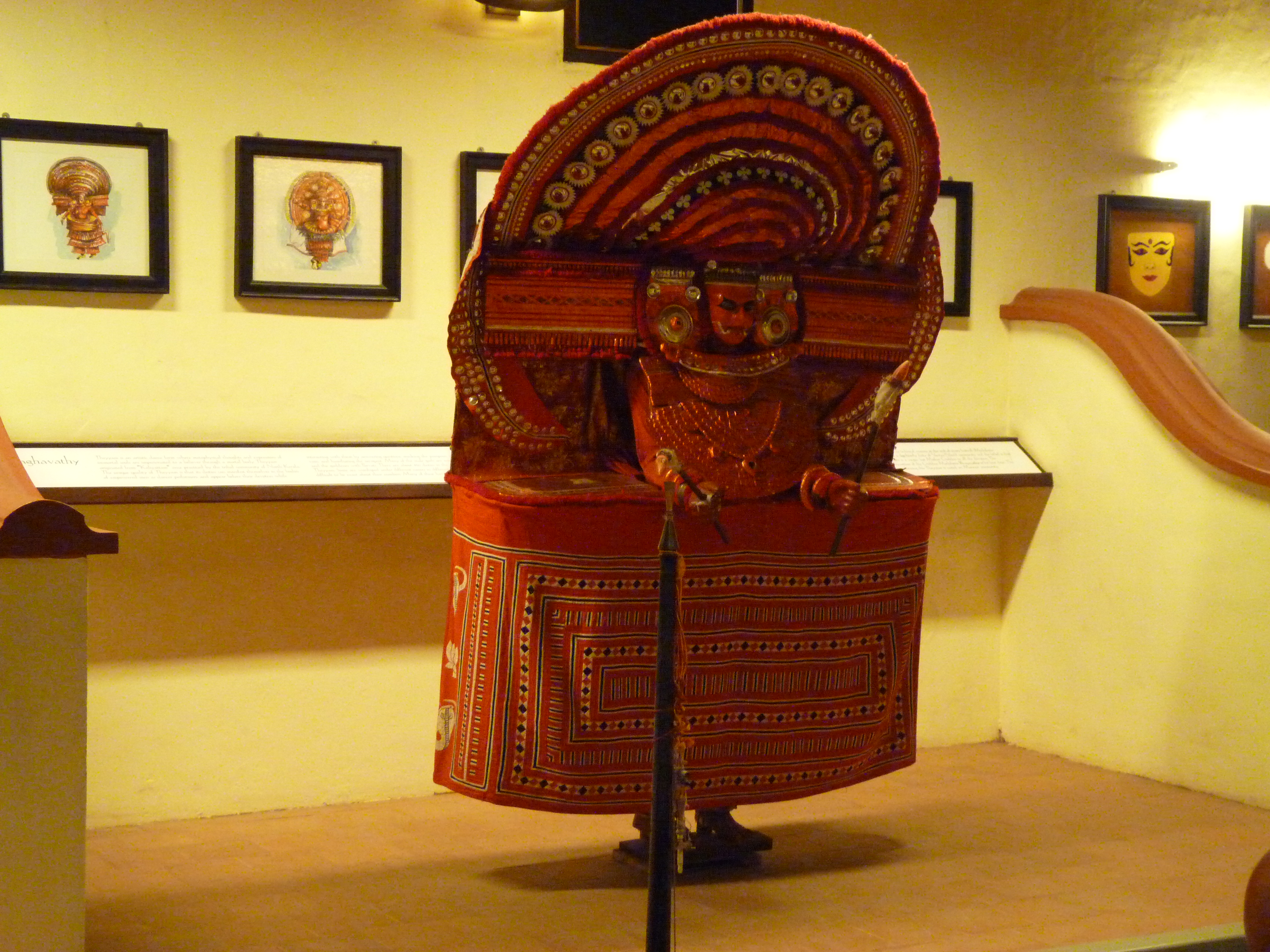
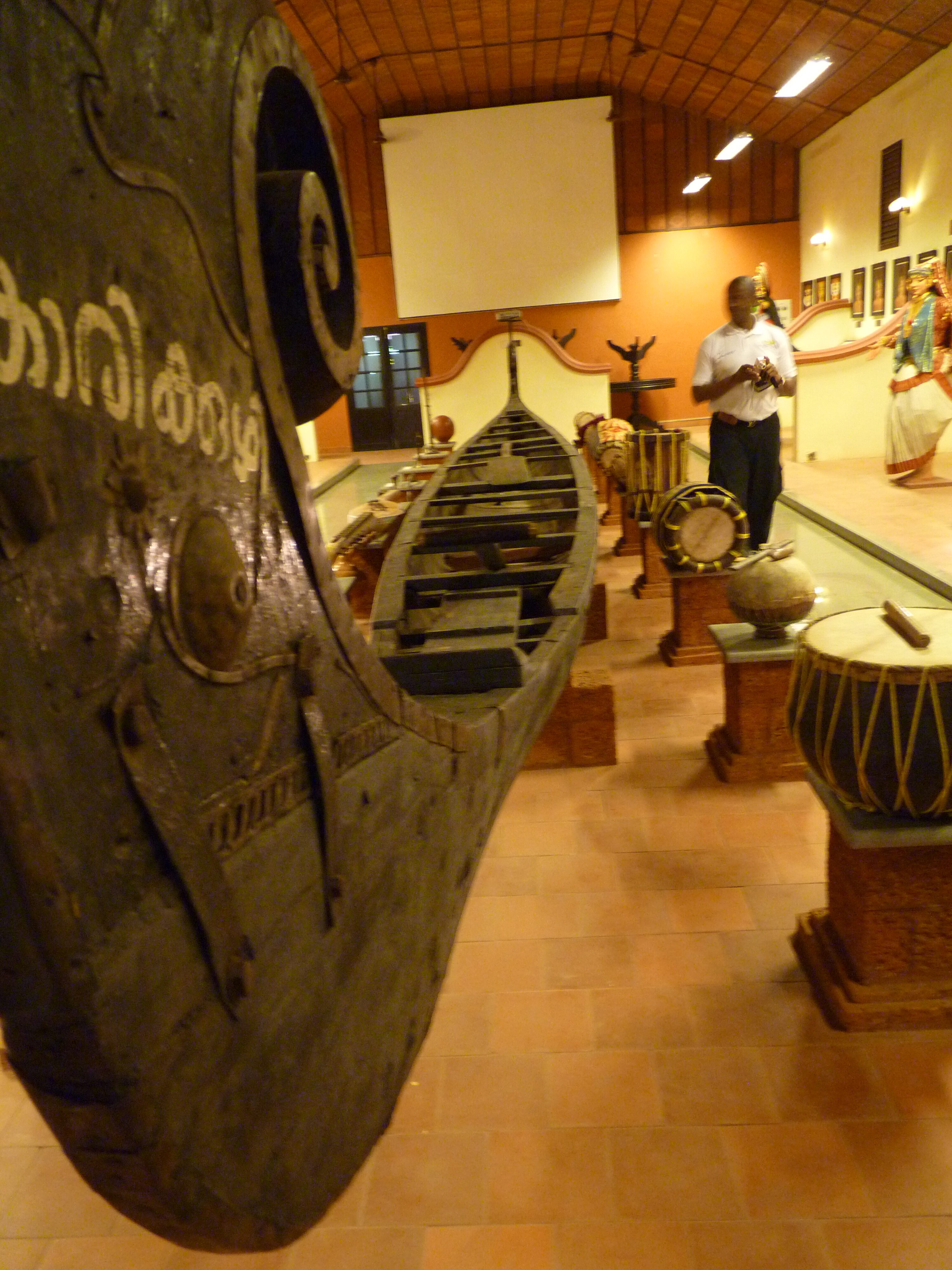
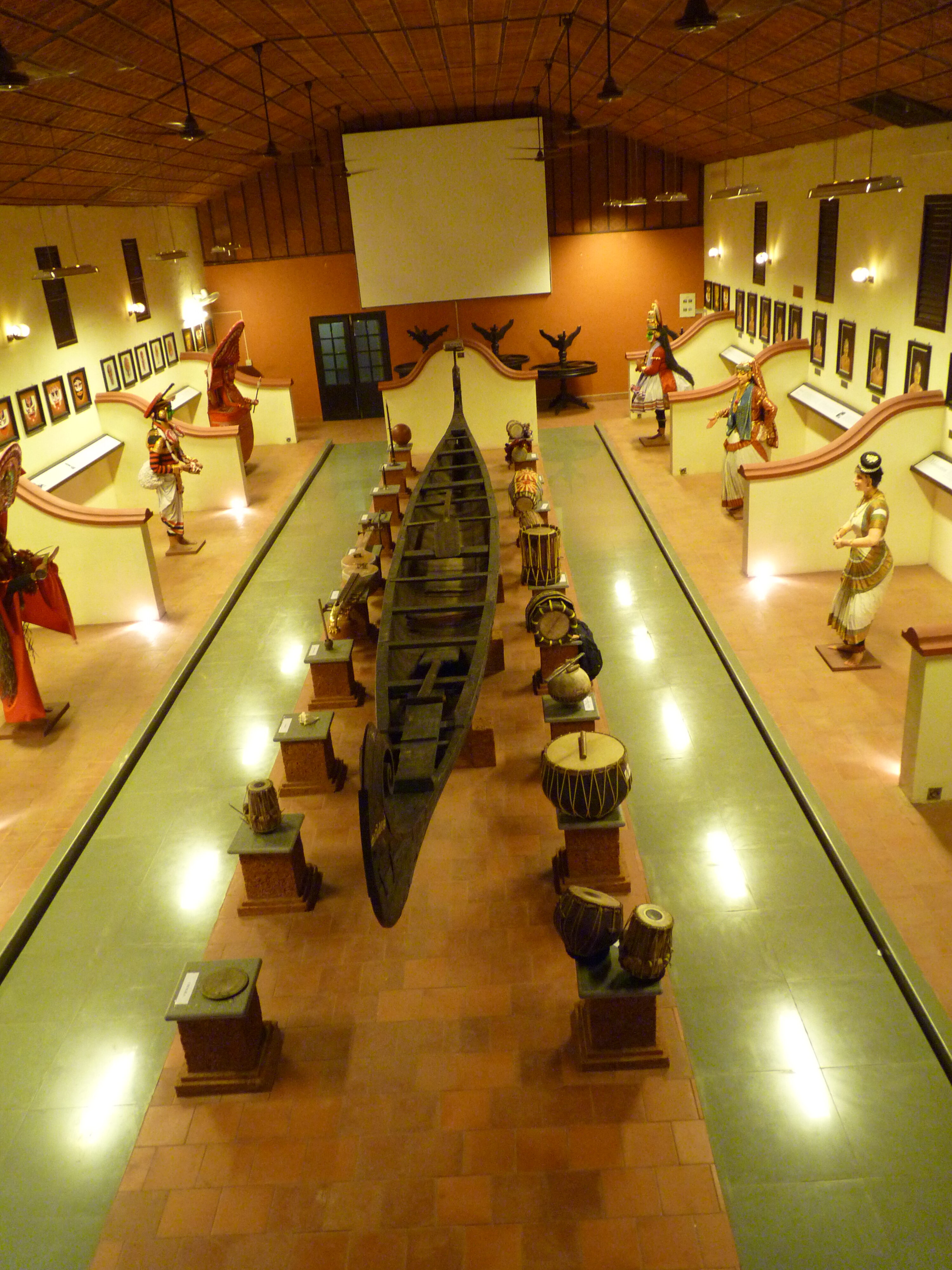
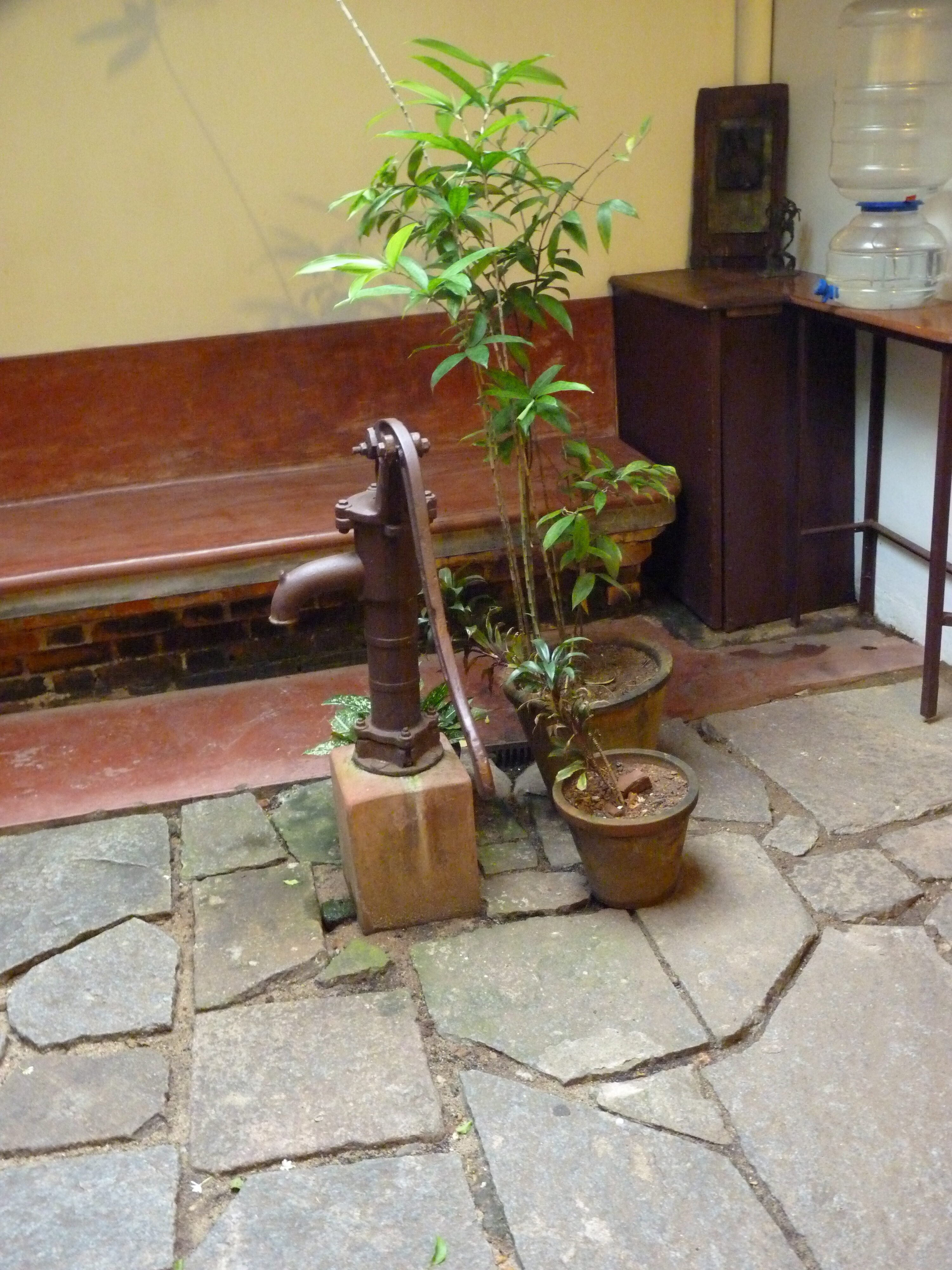

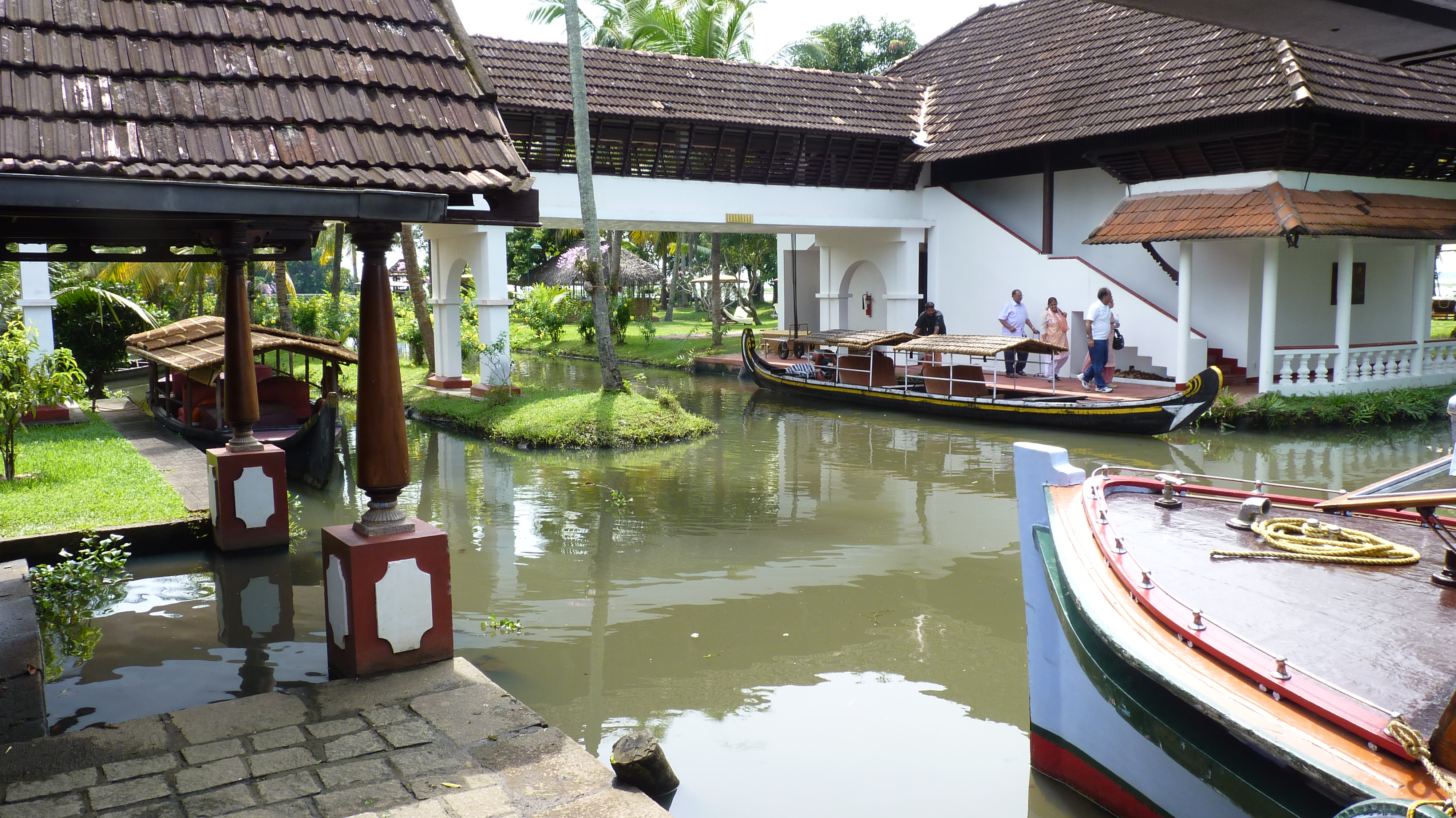
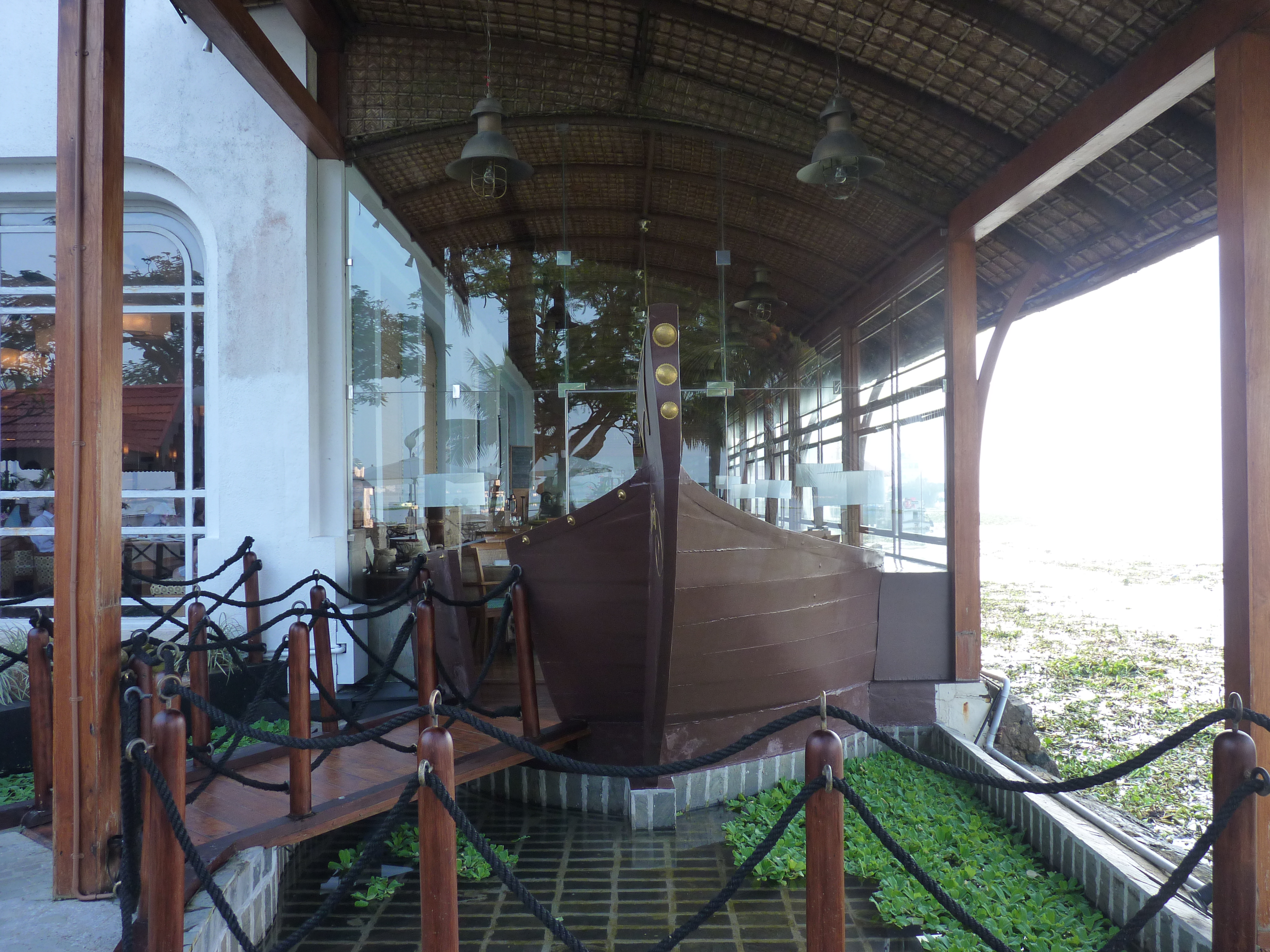


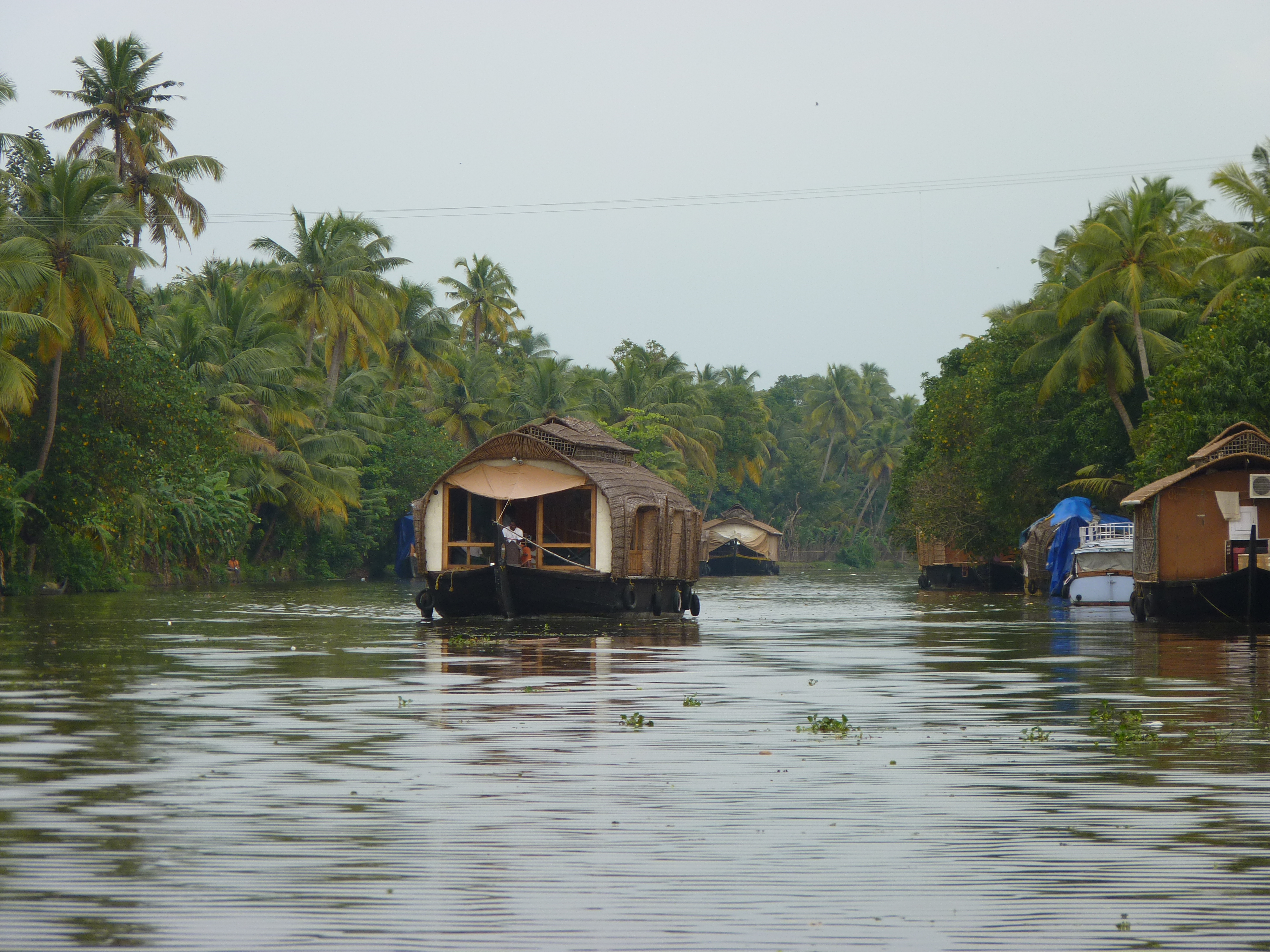
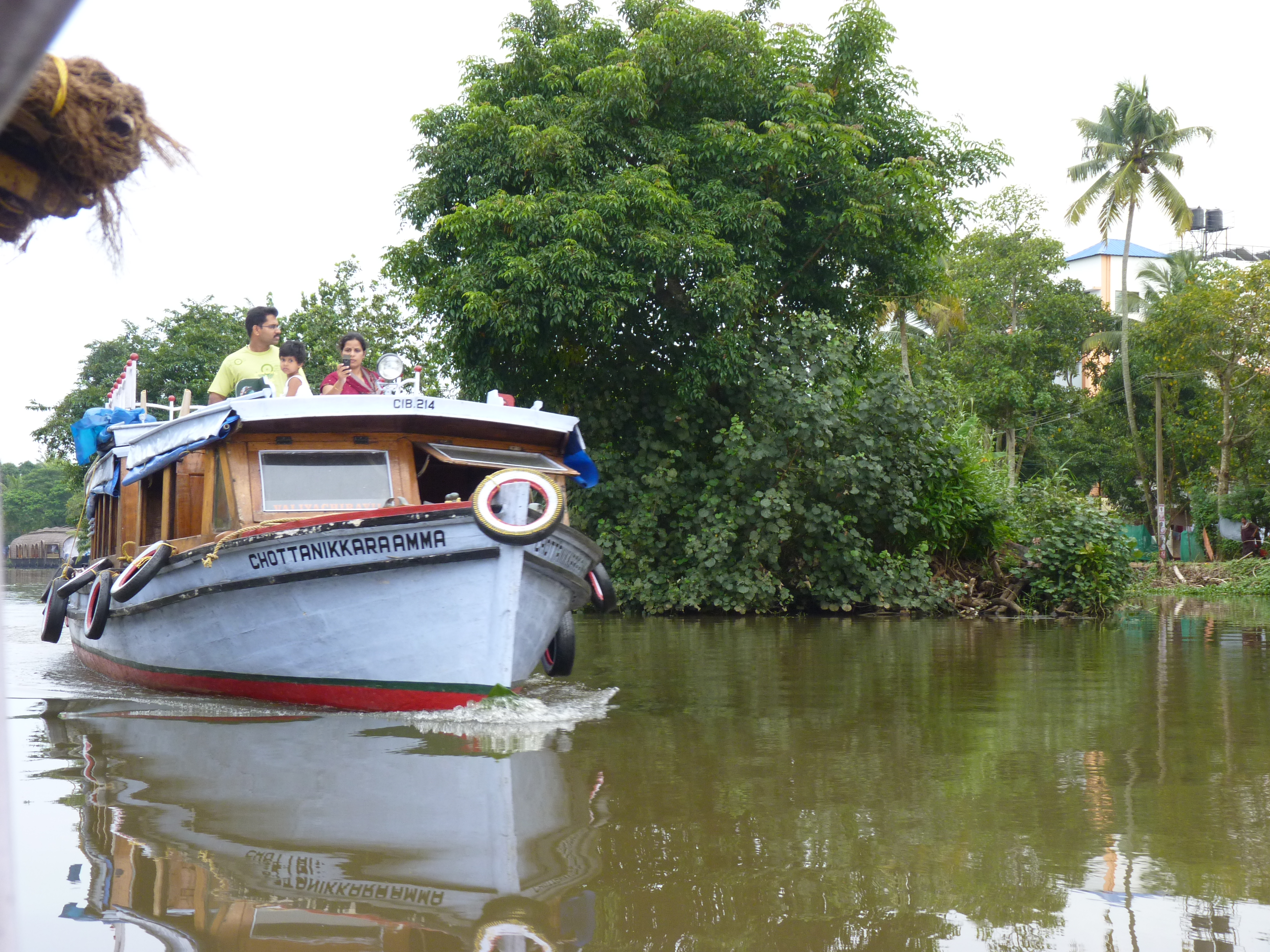
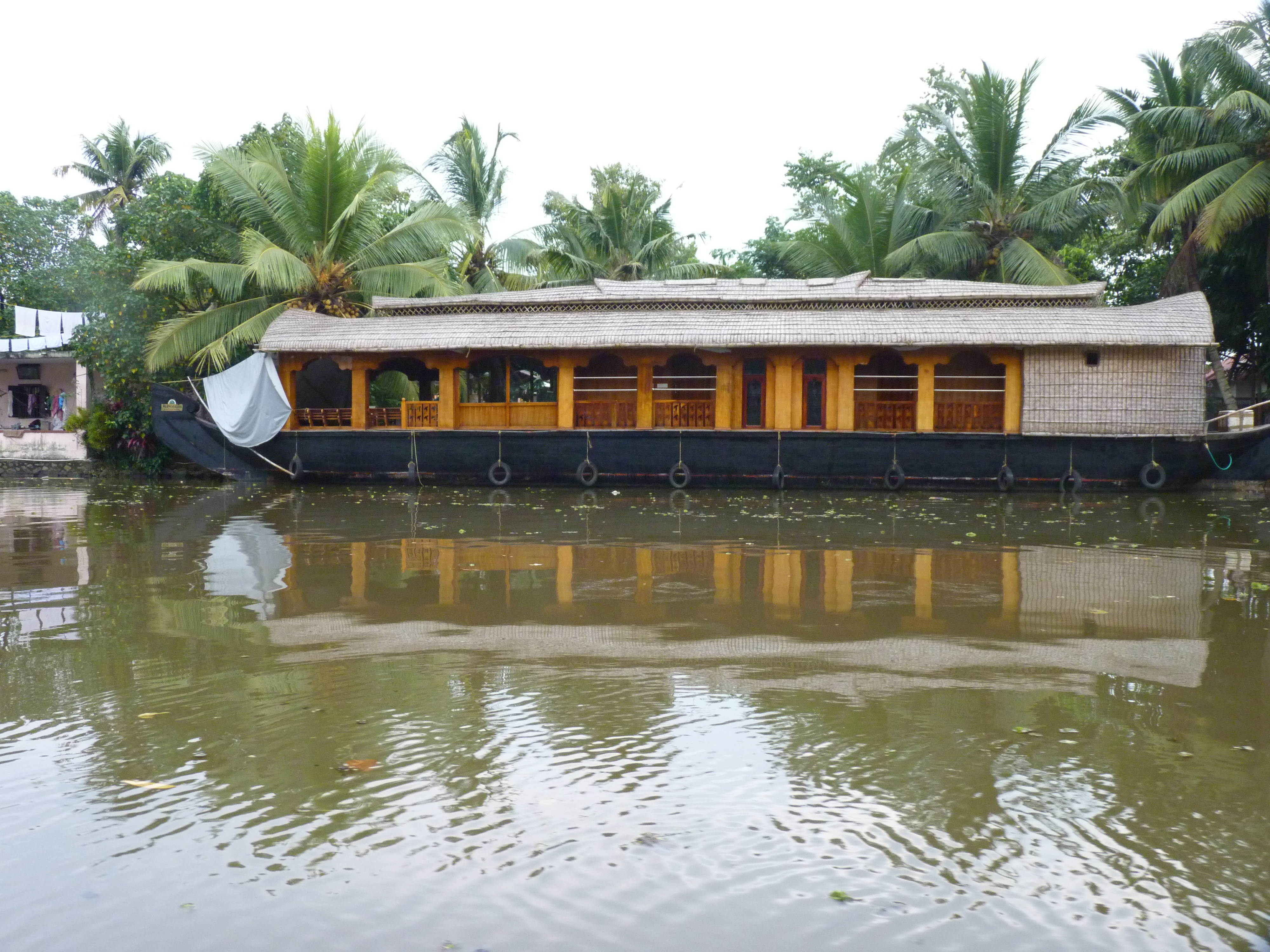

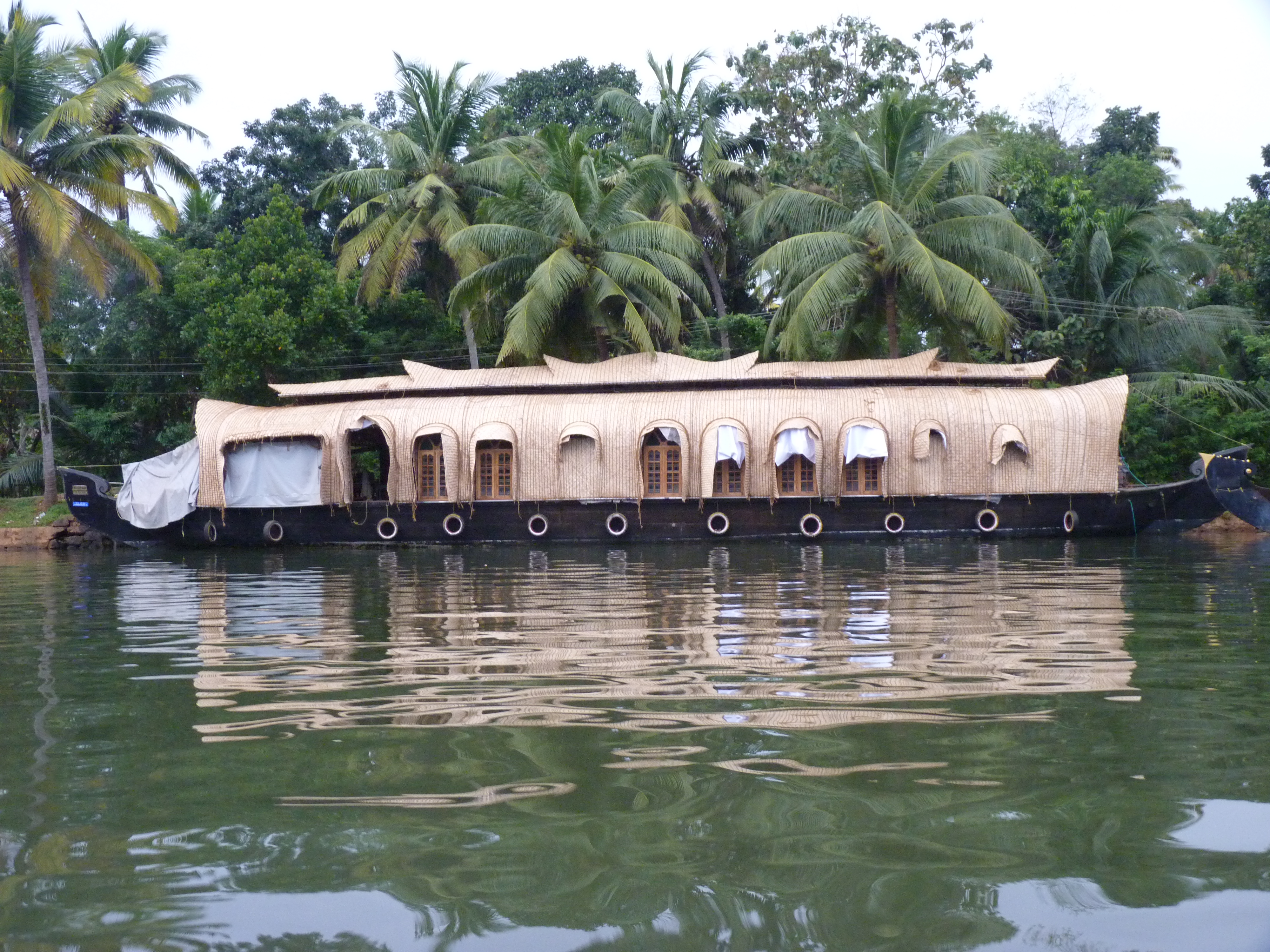
Traditional Use: These boats were historically used as barges to transport rice harvested from the paddy fields in the interior backwaters to market towns.




Subscribe for New Travel Stories 🌍


